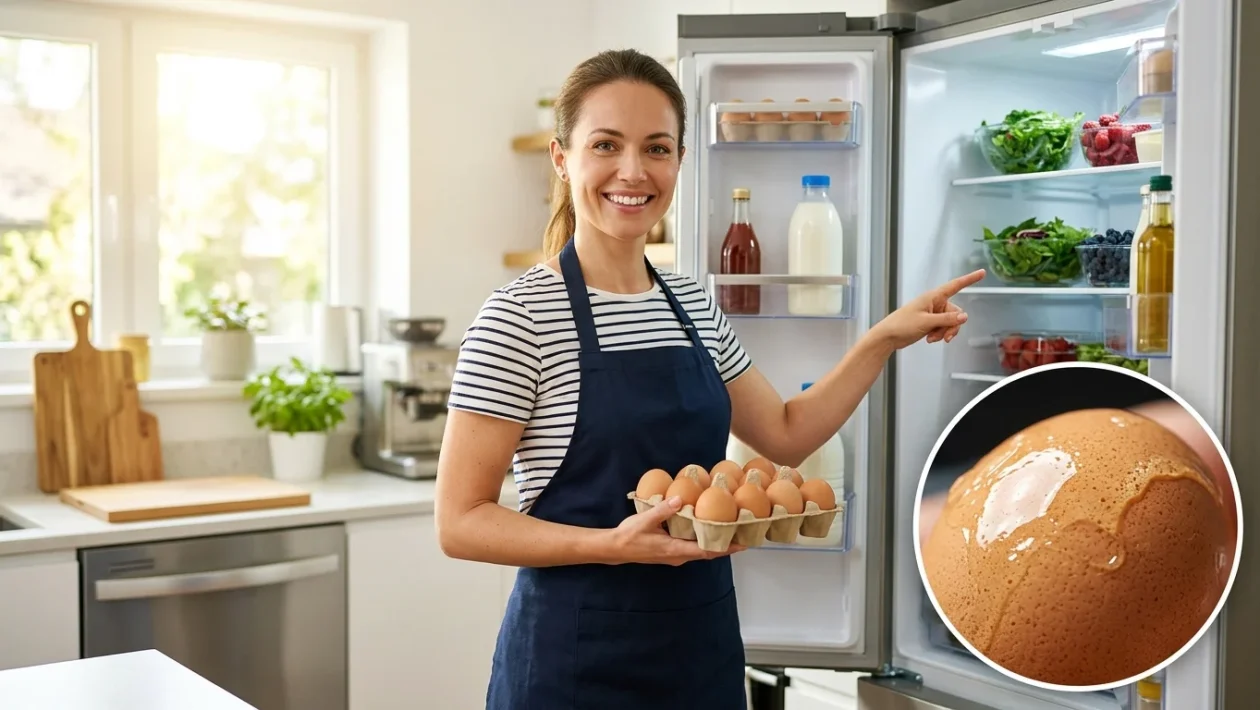
The Hidden Cost of Improper Storage
Every year, American households discard billions of pounds of food. A significant portion of this waste consists of eggs—a staple that many consumers incorrectly assume has a very short window of usability. When you understand the science of the eggshell, you stop viewing eggs as a “use-by-date” product and start treating them like the long-term asset they are.
Why Most People Get It Wrong
The primary mistake is believing that eggs must be consumed within a few weeks of purchase. While the quality may peak early, eggs are naturally protected by a cuticle, or “bloom,” which keeps bacteria out and maintains freshness. In the United States, commercial eggs are washed before reaching the supermarket, which removes this natural barrier. This makes refrigeration mandatory, but it doesn’t mean your eggs are destined for the trash if they don’t get used by the date printed on the carton.
The Professional Preservation Method
Commercial kitchens and culinary professionals have long relied on temperature control and orientation to maximize the shelf life of their ingredients. To mimic these results at home, keep these principles in mind:
- Keep them cold: The refrigerator door is the worst place for eggs. The frequent temperature fluctuations from opening and closing the door speed up degradation. Move your eggs to the back of a middle shelf where the temperature remains consistent.
- Maintain the shell integrity: Never wash your eggs before storing them. Even if you buy them from a commercial source, moisture can compromise the shell.
- The orientation trick: If you are planning to store eggs for an extended period, keep them in the carton with the pointy end facing down. This keeps the air cell at the top of the egg, which helps prevent bacteria from migrating toward the yolk.
Extending Longevity: The Mineral Oil Technique
One of the most effective, yet underutilized, methods for long-term egg storage involves mineral oil. Because commercial washing removes the natural bloom, you can replace this barrier manually.
By lightly coating the shell in food-grade mineral oil, you seal the pores of the egg. This prevents air and bacteria from entering and slows the evaporation of the internal moisture. When done correctly, this method can significantly extend the window of usability, saving you from recurring grocery store trips and reducing your weekly food waste bill.
How to Tell If an Egg Is Still Good
Stop relying solely on expiration dates, which are often conservative estimates. Use the water displacement test to determine the actual state of your egg:
- Fill a bowl with cold water and gently place the egg inside.
- If the egg stays at the bottom on its side, it is very fresh.
- If it stands upright on one end, it is older but still perfectly safe to eat—use these for hard-boiling.
- If the egg floats to the surface, it has developed a large air pocket due to age and should be discarded immediately.
Budgeting for the Long Haul
Food waste is essentially throwing money directly into the trash. By adjusting your storage habits, you can transition from buying eggs every single week to buying them in larger, more cost-effective quantities. When you combine proper placement in the refrigerator with a conscious effort to use the oldest eggs first, you remove the guesswork and protect your investment.
Practical application of these techniques is essential for any modern kitchen. As shown in the common techniques used by professional chefs, it is not about buying more—it is about respecting the ingredients you already have in your pantry.