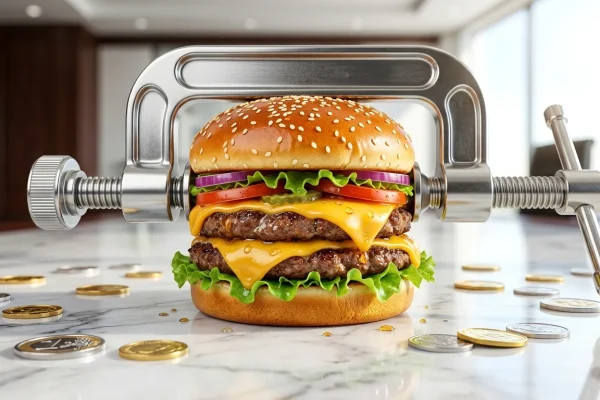
You are tired of watching your hard-earned paycheque evaporate on overpriced, mass-produced junk that breaks after six months.
The retail game is rigged to keep you constantly buying replacements, but there is a massive shift happening right now that puts the power back in your wallet.
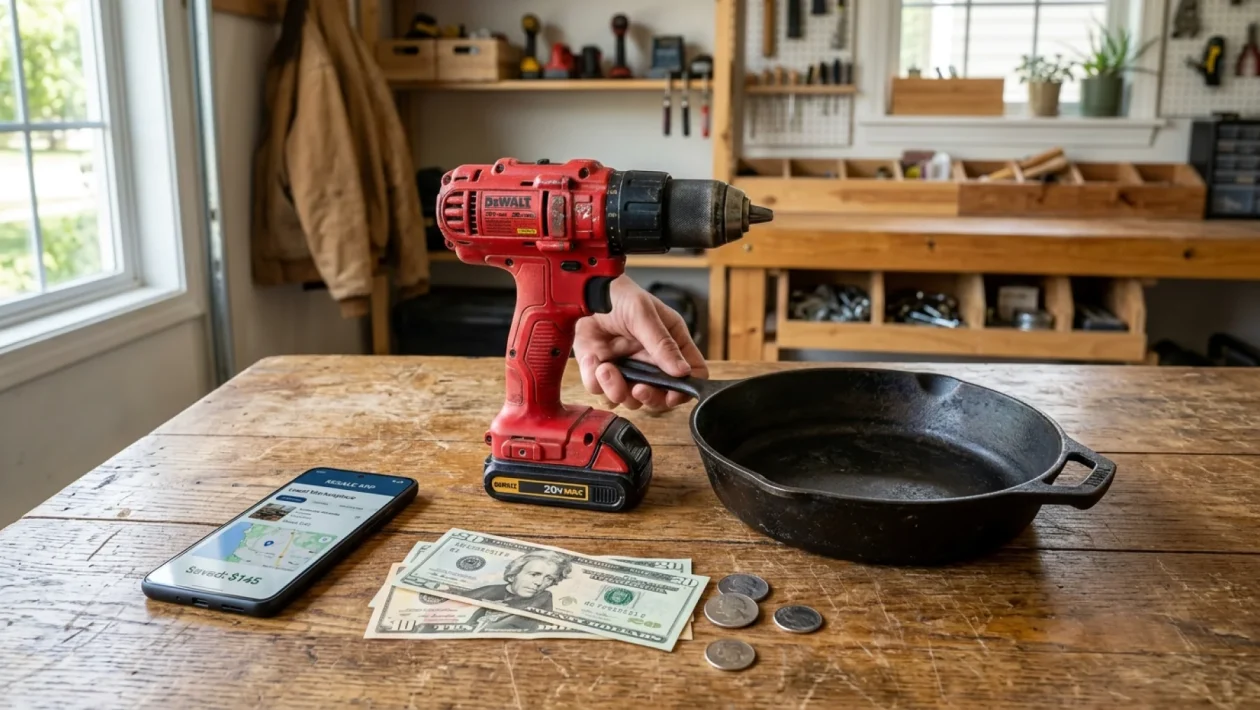
By mastering the art of second hand shopping, you can instantly upgrade your life with high-quality, durable goods without going broke.
The Unstoppable Second Hand Shopping Boom Of 2026
It is Spring 2026, and buying used is no longer just for cash-strapped college kids looking for a cheap couch.
Today, bypassing the retail store is the ultimate financial flex.
In fact, the global resale market is currently growing three times faster than traditional retail, projected to hit a staggering $350 billion by the end of next year.
Canadians are waking up to this reality and flocking to local fixtures like Value Village and digital platforms like Kijiji.
They are hunting down everything from cast-iron cookware to gently used Milwaukee power tools.
“The stigma of ‘used’ is completely dead. Today, securing a vintage or gently used item proves you are a savvy operator, not a cheapskate,” says Mark Trello, retail analyst and author of The Resale Economy.
How To Score Premium Gear Before Anyone Else
You do not want someone else’s worn-out garbage; you want the top-tier, built-to-last gear.
Scoring premium items on the second hand market requires a bit of tactical thinking.
If you want to beat the professional flippers to the best stuff, you need a system.
- Target wealthy postal codes: When hitting physical thrift stores or estate sales, always drive to the most affluent neighborhoods in your city. The donation bins there are packed with high-end brands.
- Master the digital search alerts: Do not scroll aimlessly. Set up specific, hyper-targeted keyword alerts on your local buy-and-sell apps so you get a push notification the second a premium item is listed.
- Look for good bones: Ignore superficial dirt or a bad coat of paint. Focus on solid wood, heavy metal, and pristine mechanics that can easily be cleaned or tuned up.
The Art Of Paying Literal Pennies For High-End Goods
The whole point of this exercise is keeping your cash in your bank account where it belongs.
Getting premium gear for literal pennies comes down to knowing how and when to negotiate.
Never throw out an insulting lowball offer right out of the gate.
Instead, show up with cash in hand, point out a minor flaw to justify a lower price, and offer a swift, hassle-free transaction.
To put this into perspective, look at the brutal markup you avoid by shopping used:
| Item Category | Average Savings vs. Retail |
|---|---|
| Pro-Grade Power Tools | 40% – 60% cheaper |
| Solid Wood Furniture | 70% – 85% cheaper |
| High-End Outdoor Apparel | 50% – 75% cheaper |
Frequently Asked Questions
Is buying used electronics actually safe?
It can be, provided you test the item before handing over your money.
Always plug in power tools, turn on laptops, and check for battery degradation. If a seller refuses to let you test it, walk away immediately.
How do I avoid bringing home pests in used furniture?
This is a valid concern when buying upholstered items.
Always inspect the seams of couches and chairs with a flashlight. Better yet, stick to buying hard-surface furniture like wood, glass, and metal, which are incredibly easy to wipe down and sanitize.
Can I negotiate prices at a physical thrift store?
Usually, big chain thrift stores have fixed pricing and will not haggle.
However, independent charity shops, garage sales, and digital marketplaces are entirely fair game for negotiation.
🤝 Good luck out there on the hunt.
💡 Remember, every dollar you save on retail markup is a dollar you can invest back into yourself, your family, or your next big project.
📱 Share your thoughts and your best second hand finds with me on social media.
👇 Keep your eyes peeled, stay patient, and never pay full price for quality gear again!