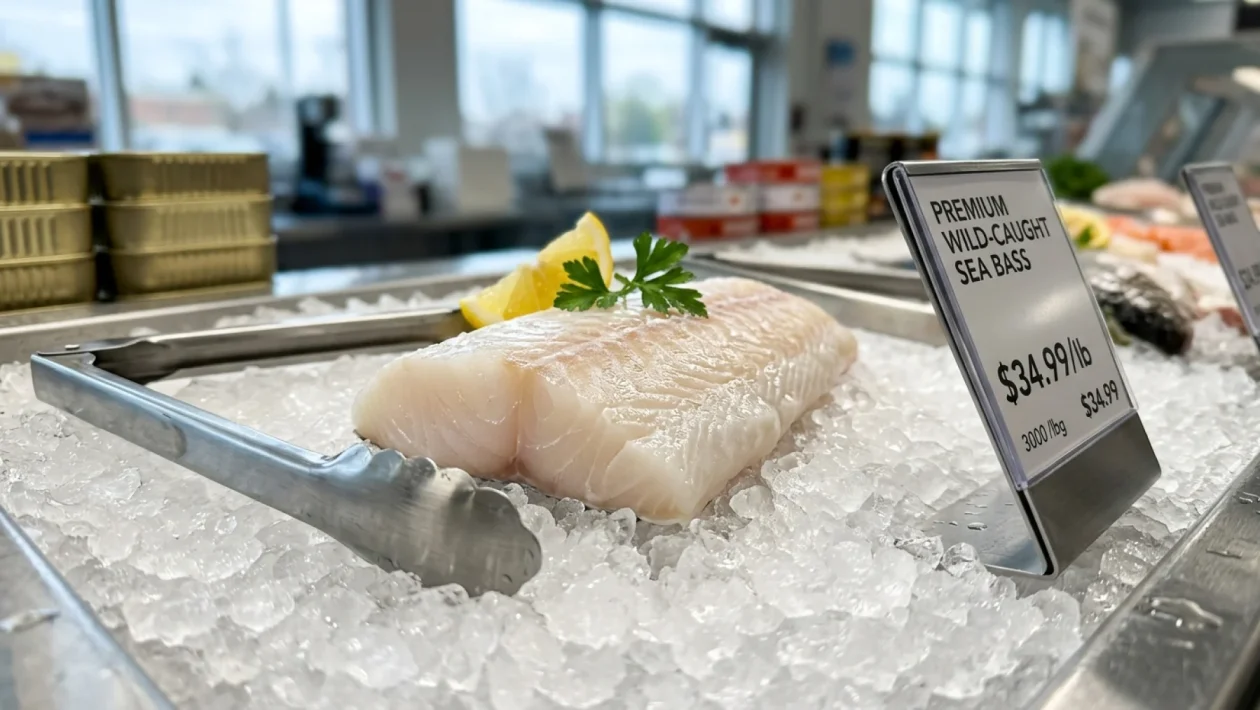
You stroll up to the seafood counter hoping for a fresh weekend dinner, and bam—premium white fish is sitting at a hundred bucks a kilo. It is enough to make you drop your tongs, walk away, and order a pizza. But before you write off your Friday fish fry entirely, you need to understand the massive ecological shockwave quietly gutting the seafood industry right now. Toxic algal blooms are shutting down massive commercial fisheries, and the brutal fallout is hitting your wallet directly.
Right now, in the spring of 2026, we are watching a massive supply chain squeeze unfold in real-time. Whether you are shopping at a massive Canadian grocer like Sobeys or sourcing directly from giants like Clearwater Seafoods, global markets are intimately connected. When a major fishery goes down, the ripple effect reaches your dinner plate. Let’s break down exactly what is happening under the water and, more importantly, how you can still feed your family top-tier protein without taking out a second mortgage.
Seafood Price Spikes: The Ecological Nightmare Emptying the Oceans
The root cause of these seafood price spikes isn’t just inflation or fuel costs—it is a full-blown ecological disaster. It usually starts small, like a mysterious brown foam washing up on a beach. Within weeks, that foam explodes into a toxic algal bloom spanning thousands of square kilometres. This suffocates precious sea life and forces governments to slam the brakes on commercial fishing.
Take the recent crisis in South Australia’s Gulf St Vincent as a prime indicator of where global fisheries are heading. The region was absolutely devastated by an algal bloom last year, wiping out massive populations of marine scalefish. The destruction was so severe that commercial fishing in the gulf has been completely shut down until at least May 2027.
When you remove a highly productive zone from the global seafood equation, panic sets in. Local fisheries are suddenly forced to overcompensate, hunting in different waters just to keep the supply chain alive. It is a textbook supply-and-demand nightmare, and the consumer always ends up footing the bill at the checkout counter.
Why Premium Fish Hits $100/kg: Supply, Demand, and Closed Gulfs
You might be wondering how any fish—no matter how delicious—can justify a $100 per kilogram price tag. It all comes down to basic math and depleted numbers. Gulf St Vincent was historically responsible for 50 percent of its state’s marine scalefish production. When half of your supply vanishes overnight, the remaining catch instantly transforms from a weeknight staple into an ultra-luxury item.
Premium species like King George Whiting and southern calamari have taken the absolute hardest hit. With massive zones closed off, the boats simply aren’t bringing in the abundance of fish required to drive retail prices down. Here is a sobering hard fact for you: industry experts are warning that even if conditions improve tomorrow, it will take five to 10 years for these fisheries to fully return to their pre-bloom capacity.
“All experts are telling us do not expect a linear increase in stocks. It’s going to be a bouncy road ahead.”
That volatility means your favourite premium catches will remain expensive and scarce for the foreseeable future. Fishers are also grappling with rising fuel and operating costs to travel to unrestricted zones, layering even more expense onto the final retail price.
And How To Eat Well Anyway: Navigating the Seafood Counter on a Budget
Just because premium whiting is pricing itself out of the middle class doesn’t mean you have to abandon seafood entirely. This is where you need to get smart, pivot, and embrace the lesser-known catches. When the A-list fish are out of stock, the B-list fish are ready for their time to shine.
Retailers are actively pushing alternatives like garfish and blue swimmer crab, which have shown incredible resilience and are bouncing back much faster than other species. If you want a killer dinner, you just have to be willing to change your menu on the fly. Here is how you adapt:
- Talk to your fishmonger: Don’t just stare at the price tags. Ask the person behind the counter what came in heavy that morning. Abundant catches are always priced to sell quickly.
- Embrace alternative species: If you wanted premium whiting for a pan-fry, ask for garfish or sustainably farmed tilapia instead. They flake beautifully and take on seasoning just as well.
- Change your cooking method: If cheap, hearty fish is all that’s available, ditch the delicate searing. Throw it into a bold curry, a fish stew, or aggressively grill it on the barbecue.
To help you navigate your next grocery run, here is a quick breakdown of how to swap out those wildly expensive catches for wallet-friendly alternatives.
| Premium Catch (High Cost) | Budget Alternative (High Value) |
|---|---|
| King George Whiting ($99/kg+) | Garfish or Local Flounder (Dropping prices) |
| Southern Calamari (Short supply) | Blue Swimmer Crab (Recovering fast) |
| Premium Whitefish Fillets | Sustainably farmed Haddock or Pollock |
Frequently Asked Questions
Is seafood safe to eat during an algal bloom?
Absolutely. Governments heavily monitor these situations and run extensive water testing. If a fish makes it to a commercial retail counter, it has passed rigorous health and safety checks. The closures are about protecting the fish population, not because the retail meat is toxic.
When will seafood prices finally drop back to normal?
Do not hold your breath. Because it takes 5 to 10 years for a devastated fishery to repopulate, elevated prices on specific premium species will likely stick around. Your best bet is to permanently diversify the types of fish you buy.
Why does an Australian fishery closure affect North American markets?
Seafood is a heavily traded global commodity. When a major international supplier shuts down, buyers worldwide scramble to source from the same remaining pools. This heightened global demand puts upward pressure on prices at your local supermarket.
🤝 Keep your chin up the next time you hit the grocery store. Yes, the ecological shifts are frustrating, but a smart cook never lets a little supply chain drama ruin a good meal.
💡 Flexibility is your best tool in the kitchen right now. By swapping out premium species for abundant, sustainable alternatives, you can eat like a king without emptying your wallet.
📱 Share your thoughts and your favourite budget-friendly seafood recipes with us in the comments below. Good luck out there at the seafood counter, and keep those grills fired up!