Commercial aviation just crossed a major threshold. The Airbus A350-1000ULR, custom-built for Qantas, successfully completed a non-stop test flight lasting over 19 hours.
This technical run serves as a crucial milestone for the airline’s highly anticipated direct route connecting Sydney and London.
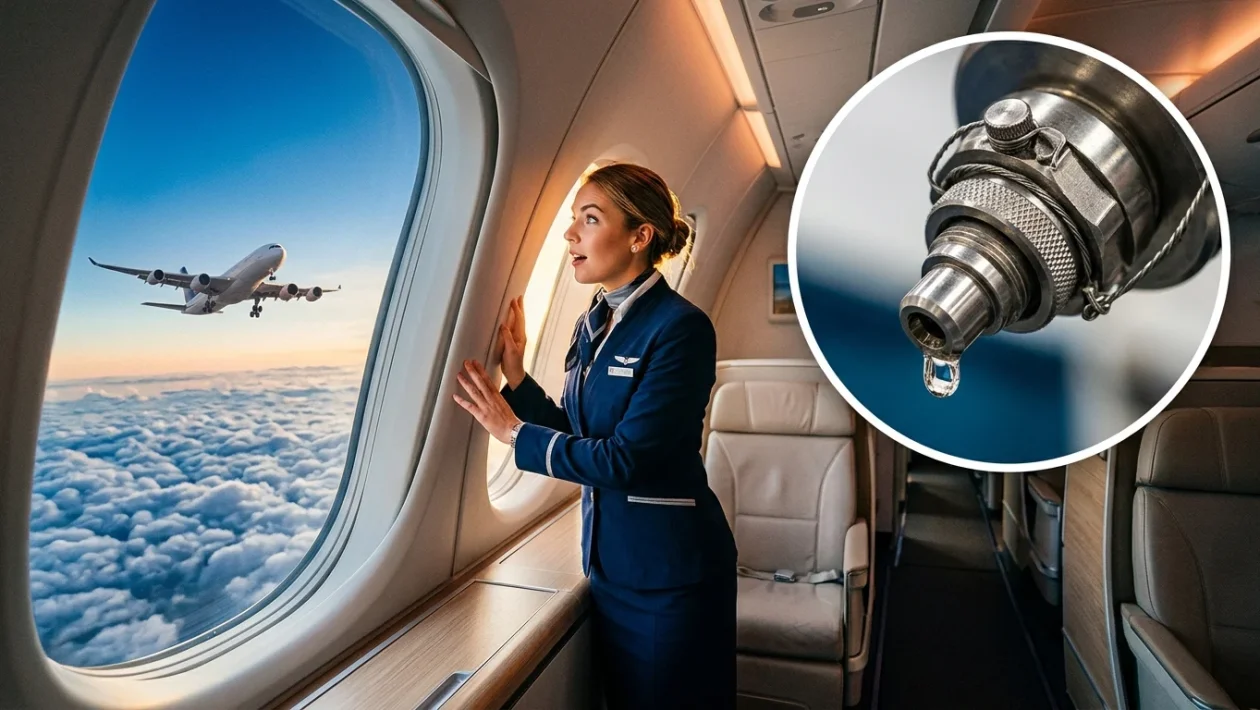
A commercial passenger jet soaring above the clouds during a long-haul flight.
A Historic 19-Hour Airborne Test
The aircraft covered roughly 10,560 miles (17,000 kilometers), flying from Airbus headquarters in Toulouse, France, to Melbourne, Australia.
It remained airborne for exactly 19 hours and 12 minutes. The endurance run was designed to evaluate a heavily modified airframe built to handle ultra-long-haul trips lasting up to 22 hours.
While this wasn’t a standard passenger service, it clears the path for regular commercial operations. Airbus engineers and pilots monitored fuel consumption, system performance, and overall flight dynamics to simulate the upcoming Australia-to-Europe route.
The Airbus A350-1000ULR aircraft touching down on the runway after a successful test run.
When Does Project Sunrise Launch?
Qantas confirmed that daily, non-stop service between Sydney and London will officially commence in October 2027.
The airline plans to open ticket sales in February 2027. This will be the first time the two cities are connected by a regular direct flight with no layovers.
Once active, Airbus and Qantas estimate the journey will claim the title of the world’s longest regular commercial flight, maxing out at roughly 22 hours in the air.
Engineering a 22-Hour Aircraft
The A350-1000ULR relies on advanced engineering to survive nearly a full day in the sky without refueling. The jet features massive physical deviations from the standard A350-1000 model.
The most significant upgrade is an additional rear fuel tank capable of holding approximately 5,280 gallons (20,000 liters). This specific modification extends the plane’s range by 1,000 nautical miles.
Key structural and systemic upgrades include:
- Reinforced airframe modifications to sustain extended stress loads.
- Adapted internal cooling systems for heavy, long-term operation.
- Increased maximum fuel capacity for continuous, ultra-long-haul thrust.
- Specialized flight instrumentation tailored to 20-plus hour navigation.
- A premium cabin configuration designed with lower passenger density to prioritize movement and comfort.