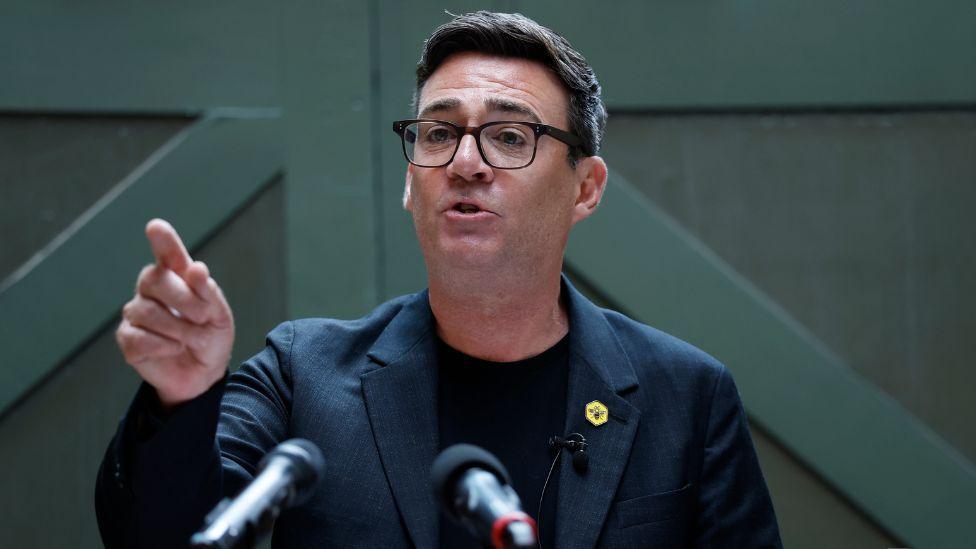
UK Prime Minister Andy Burnham delivering an economic policy speech
British Prime Minister Andy Burnham addresses the public on new economic policies.
British Prime Minister Andy Burnham is moving fast to reshape the country’s economic landscape. Starting in April, the government will slash business rates by 20% for pubs, clubs, and live music venues.
This decisive move aims to lower operating costs and inject fresh confidence into a struggling hospitality sector.
It marks Burnham’s third major economic directive in just three days since taking office on Monday. His new administration has already axed taxes on domestic electricity bills and implemented a hard cap on bus fares.
“This government will back the businesses that people want to see in their communities,” said Burnham, drawing on his experience as the former Mayor of Greater Manchester.
Crunching the Numbers
The tax break will save the average pub roughly £1,100 ($1,472) over the next year. In total, nearly 32,000 hospitality venues across Britain stand to benefit.
While the measure costs the government around £100 million annually, it offers a crucial lifeline to independent operators. Still, it falls short of the industry’s ultimate demand for a sweeping 50% reduction in value-added tax (VAT) for the sector.
Funding the Cut: Targeting Vape Shops and Online Sales
To balance the books, the government is shifting the tax burden elsewhere. The rate cut will be funded by stripping tax relief from businesses like vape shops, which officials argue fail to make a positive contribution to local high streets.
A broader regulatory crackdown on businesses selling through online marketplaces will also help foot the bill.
Burnham has previously floated the idea of hiking business rates on massive warehouses used by e-commerce giants like Amazon. The overarching strategy is designed to tilt the economic playing field back toward traditional brick-and-mortar storefronts.
Battling Economic Pessimism
Finance Minister John Healey emphasized the government’s determination to drive down the cost of doing business. The immediate goal is to reverse the growing gloom surrounding Britain’s economic future.
The new prime minister faces a steep uphill battle in repairing relations with the broader business community. Industry leaders have repeatedly warned that surging employment costs, wage hikes, and crippling energy prices are stifling growth and investment.
A hospitality industry survey released in July laid bare the depth of the crisis. It revealed that 23% of operators were running at a loss, while 5% deemed their businesses completely financially unviable.
Global instability, particularly the ongoing Middle East conflict, has only amplified fears of further energy spikes and potential interest rate hikes.
Fiscal Rules and Market Reality
Healey acknowledged these mounting pressures. He pledged to forge a stronger partnership with employers while strictly adhering to the government’s fiscal rules.
Under these guidelines, day-to-day public spending must be funded entirely through revenues, rather than borrowing, to maintain vital investor confidence.
Despite the rapid-fire policy announcements, market skepticism remains. Britain’s borrowing costs climbed further on Thursday, pushing the yield on 10-year government bonds to its highest level since May 20.