Every parent dreads that frantic, echoing shout from the shoreline. A sunny July 2026 afternoon shattered into a nightmare when a 15-year-old boy vanished beneath the surface, transforming a routine summer trip into a fatal tragedy. The harsh truth is that natural bodies of water are entirely unforgiving, and they do not care about your high school swim team medals. We are going to unpack exactly what makes these environments so deceptive and give you the non-negotiable safety protocols you must implement before your next family beach day.
The Missing Ohio Swimmer Tragedy Explained
The search is officially over, and the outcome is absolutely devastating. First responders pulled the young man’s body from the murky waters of an Ohio state park after hours of frantic, multi-agency searching. It is a gut-wrenching reality check for anyone hitting the lakes this summer.
This isn’t just an isolated, tragic headline to scroll past on your morning commute. It is a glaring siren warning us all about the deceptive calm of natural waterways. When a missing Ohio swimmer becomes a recovery mission rather than a rescue, it forces us to re-evaluate how we approach outdoor recreation.
Why A 15-Year-Old’s Fatal State Park Visit Escalated Quickly
Teenagers are strong, energetic, and often feel invincible, but lakes and rivers do not respect gym class stamina. We look at a calm, glass-like surface and assume the swimming conditions are perfectly safe. Underneath that surface, it is an entirely different, highly volatile world.
Sudden drop-offs are silent killers in state parks. One step you are safely in waist-deep water, and the very next step plunges you into a freezing, 15-foot trench with zero visibility. Panic sets in instantly, muscles cramp from the sudden temperature drop, and the situation turns fatal in seconds.
To put this into perspective, consider this alarming statistic: In North America, over 4,000 fatal unintentional drownings occur every single year. For teenagers specifically, natural water settings like lakes and rivers are the number one danger zone, vastly outpacing swimming pool incidents.
Demanding New Water Safety Rules and Essential Gear
As someone who spends half the year on the water, I do not mess around with cheap safety gear. Whether you are up in Ontario navigating the Great Lakes or spending the weekend at an Ohio reservoir, high-quality equipment is your best insurance policy.
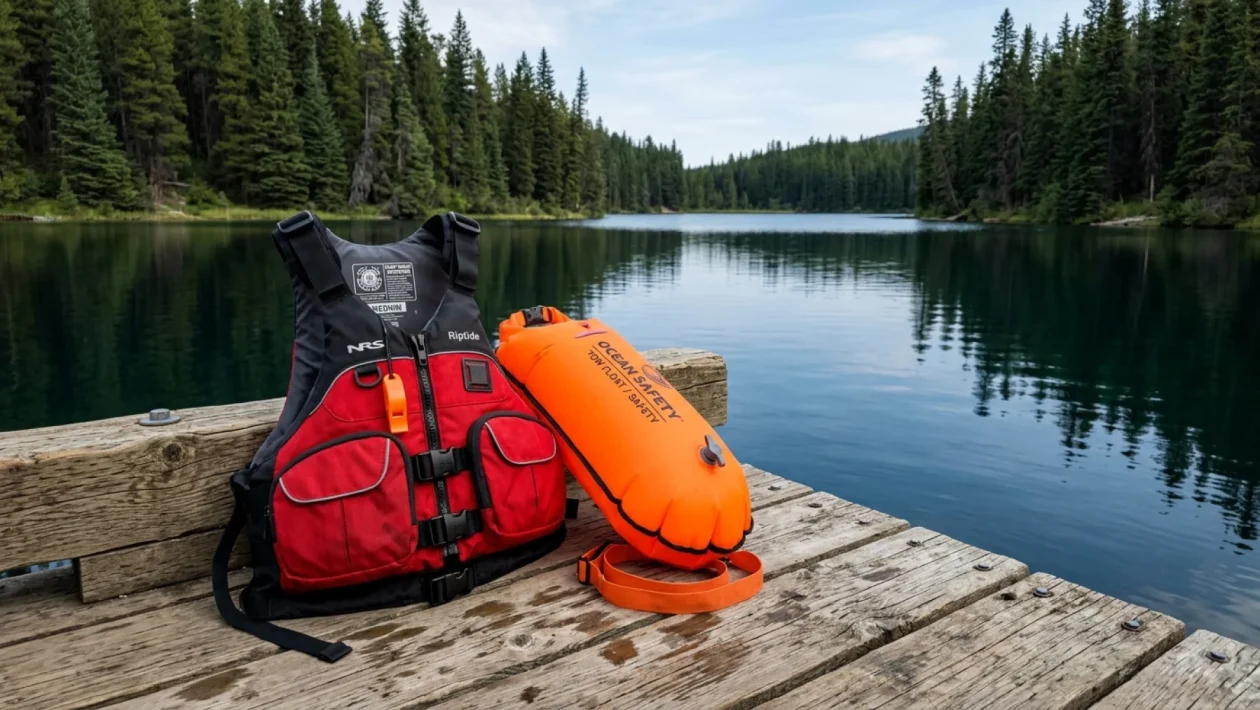
I always keep a few Mustang Survival life vests in the back of the truck. Their Canadian-engineered flotation tech is incredibly comfortable, meaning teenagers are actually willing to wear them. Throw a bright orange Pelican tow float into the mix for your stronger swimmers, and your group’s visibility to passing boaters skyrockets.
| Pool Environment | Open Water Reality |
|---|---|
| Crystal clear visibility | Zero visibility, murky depths |
| Flat, predictable bottom | Sudden drop-offs and underwater snags |
| Controlled water temperature | Extreme temperature shifts (thermoclines) |
Step-by-Step Survival Protocol for Lake Swimmers
Hope is not a survival strategy. Here is exactly how you secure your crew and establish ground rules before anyone even touches the water.
- Scout the location actively: Always check the state park’s daily information board for rip current warnings, sudden drop-off zones, and water quality alerts.
- Establish a strict buddy system: Nobody swims alone. Ever. If someone gets out of the water to grab a snack, their buddy gets out too.
- Mandate personal flotation devices: Weak swimmers, and absolutely anyone venturing past the designated swimming buoys, must wear a Coast Guard-approved PFD.
- Designate a water watcher: Assign one adult to put their phone down and actively watch the water for 15-minute uninterrupted shifts.
“Open water drownings rarely look like the dramatic splashing you see in movies; they are fast and incredibly silent. By the time you notice someone struggling, they are often already slipping under the surface.” – Captain Mark Harris, Marine Search and Rescue
Frequently Asked Questions
Why are state park lakes so dangerous for teenagers?
Teenagers often overestimate their swimming abilities and underestimate the environment. Lakes feature murky water, unpredictable currents, underwater debris, and sudden temperature drops that can incapacitate even athletes.
What should I do if a swimmer goes missing in open water?
Immediately alert the lifeguards and call 911. Do not dive in to look for them yourself if you lose sight of them in deep water, as panicked swimmers can easily pull rescuers under. Mark the last spot you saw them using a visual landmark on the shore.
Are life jackets legally required at state park beaches?
While laws vary by jurisdiction, most state and provincial parks do not mandate life jackets for beach swimming, though they are legally required on boats. However, relying on the bare minimum of the law is a mistake; always equip weak swimmers with PFDs.
🤝 Keep your family safe this summer by treating every lake, river, and pond with the intense respect it commands.
💡 Never underestimate the unpredictability of open water, no matter how strong a swimmer you or your kids think you are.
📱 Share your thoughts and your own family water safety tips with your local community to help prevent another senseless tragedy.
👇 Good luck out there, stay vigilant on the shoreline, and let’s make sure everyone comes home from the park this season!