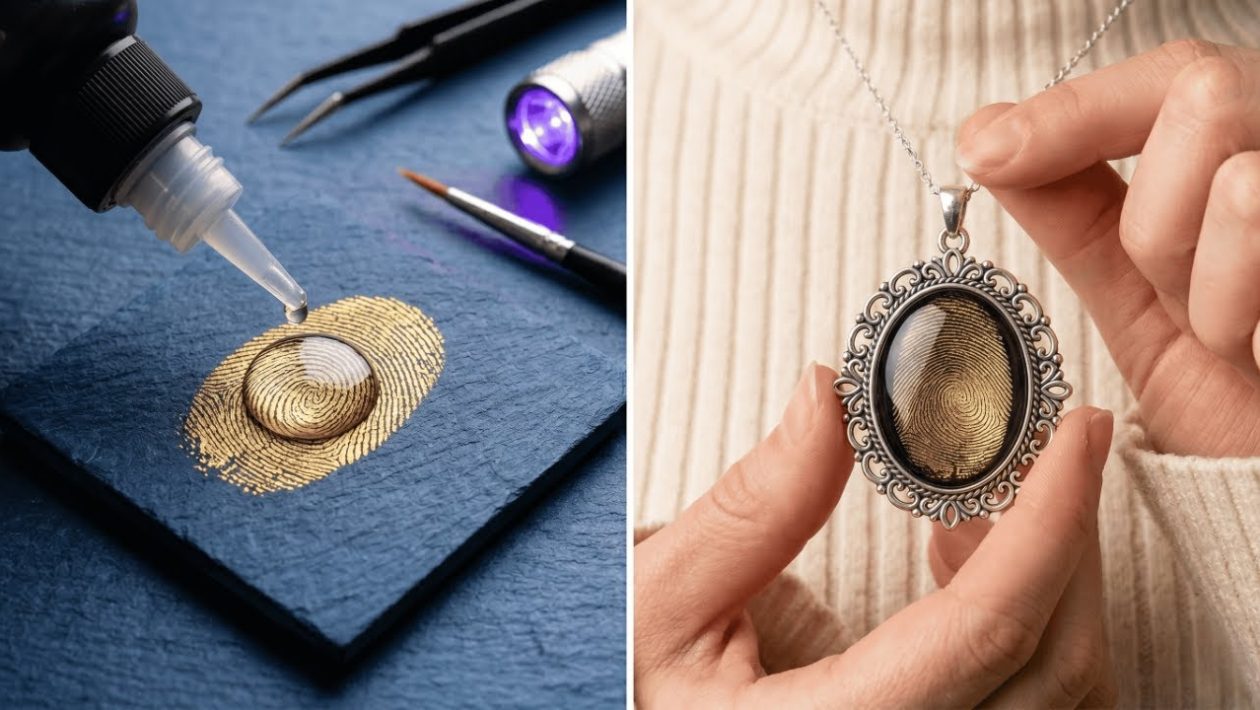
Elevating Handmade Jewelry
The allure of handmade jewelry lies in the tension between personal expression and technical precision. While many beginners start with basic stringing, moving toward sophisticated pendant design requires a shift in both materials and methodology. Achieving a professional finish isn’t about expensive equipment; it is about mastering the mechanics of construction.
Whether you are designing for personal wear or as a gift, the goal remains the same: a piece that looks intentional, durable, and refined. True craftsmanship begins with selecting quality base materials that hold their shape and resist premature tarnishing.
Essential Material Selection
Professional results are largely determined by the quality of your foundation. Beginners often lean toward craft-store alloys that flake or snap, but shifting to sterling silver, copper, or gold-filled wire changes the longevity of the final product.
- Wire Gauges: Always keep a selection of wire thicknesses on hand. Use 18-gauge for heavy structures and 24-gauge for detailed wrapping and securing components.
- Hardness Matters: Dead-soft wire is malleable and easy to shape, but half-hard wire is essential for components that need to maintain their integrity under stress, such as jump rings and ear wires.
The Anatomy of a Professional Pendant
Every pendant serves as a focal point. To make yours stand out, consider the balance between negative space and texture. Minimalist designs rely heavily on the quality of the metal surface, while intricate, artistic pieces depend on structural symmetry.
Focus on your findings. The loop connecting the pendant to a chain is often where amateurs reveal their hand. A clean, perfectly flush-cut wire loop that sits centered and closed tightly against the shank of the wire elevates the entire piece from “crafty” to “custom jewelry.”
Technique: Precision Shaping and Security
The most common flaw in DIY jewelry is loose connections. Every jump ring should be opened by twisting the ends past one another—never by pulling them apart. This maintains the circular tension of the metal, ensuring the ring remains strong once closed.
When working with wire, use nylon-jaw pliers to straighten or shape your wire without leaving marring marks or scratches on the surface. For a truly professional polish, consider using a tumbler with stainless steel shot, or at the very least, a high-quality polishing cloth designed to remove oxidation and restore the metal’s natural luster.
Designing for Personal Meaning
Personalized jewelry works best when the materials tell a story. Incorporating birthstones, symbolic charms, or metal-stamping techniques allows for a level of customization that mass-produced items cannot replicate.
Keep your color palettes grounded. If you are mixing metals—such as copper and silver—do so with a plan for how they interact visually. A high-contrast aesthetic often looks more deliberate than a random assortment of findings. Start with a singular focal point, such as a large gemstone or a unique metal shape, and build the structure outward from that point to maintain aesthetic harmony.
By focusing on clean lines, secure connections, and intentional material choices, you move away from the “homemade” aesthetic and toward a gallery-worthy standard. Mastery in this craft is not about complexity; it is about the quiet execution of every link, twist, and crimp.