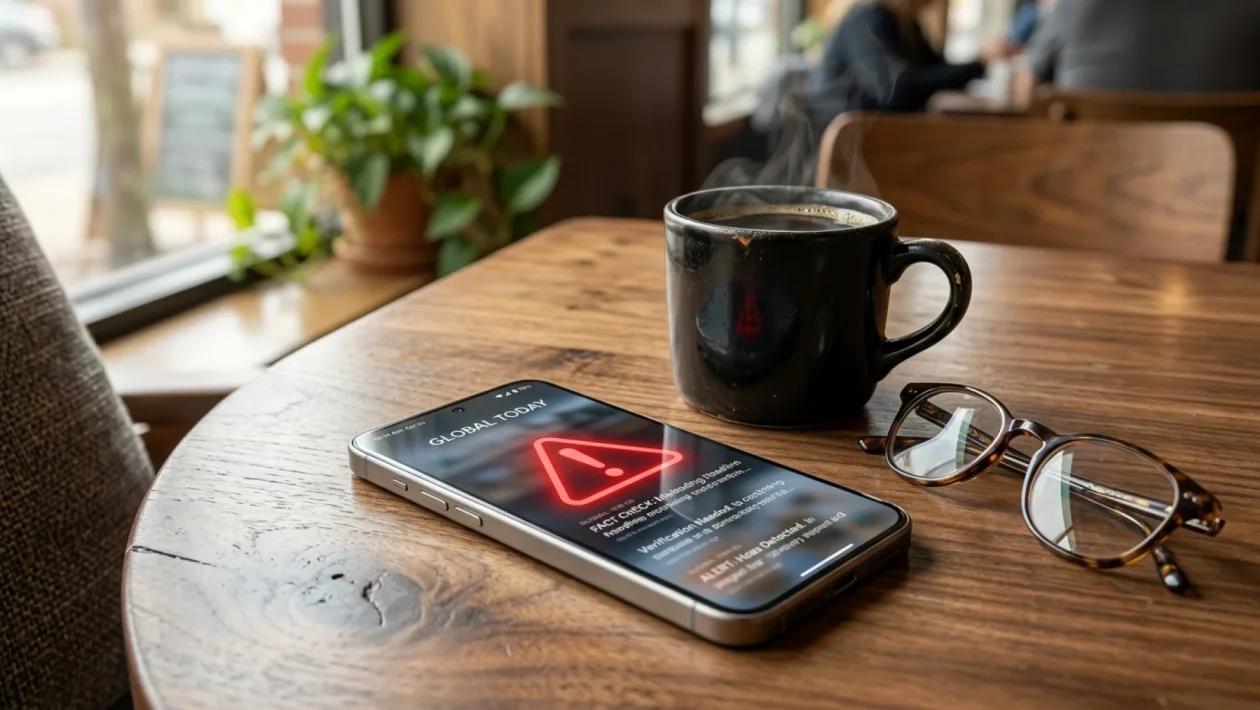
You saw the trending hashtags, and your phone probably lit up with panicked text messages from relatives. Let me stop you right there and save you some stress: the Lindsey Graham assassination rumors currently setting the internet on fire are completely, 100 percent false. I am going to walk you through exactly how this massive digital hoax started, why millions of smart people fell for it this July, and how you can bulletproof your news feed against this kind of absolute garbage.
As a journalist who has spent years chasing down facts, I treat internet rumors like a leaky pipe in a basement. You do not just stare at the puddle; you grab your tools, find the source, and shut it off. Right now, the digital pipes are bursting with highly sophisticated misinformation.
Let’s roll up our sleeves and break down exactly what happened so you can get back to enjoying your summer.
Lindsey Graham Assassination Rumors Debunked
I was grabbing my morning coffee at a Tim Hortons in downtown Toronto when my editor called me in an absolute panic. My phone on the Bell network was already vibrating off the table with push alerts from unverified social media accounts claiming a tragedy had struck Capitol Hill.
Here is the hard truth: Senator Lindsey Graham is alive, unharmed, and continuing his normal legislative duties in Washington. The entire narrative was fabricated out of thin air by a network of malicious online accounts.
The rumor mill relied on a manipulated audio clip and a barrage of coordinated posts designed to bypass algorithm filters. It is a classic scare tactic. By the time reputable news outlets could verify the Senator’s safety, the lie had already circled the globe twice.
The Truth Behind The Summer 2026 Internet Hoax
How does a lie this big gain traction so fast in July 2026? It comes down to weaponized artificial intelligence and our own human psychology. Outrage and panic are the twin engines of internet traffic.
According to a recent cybersecurity report from the University of Toronto’s Citizen Lab, AI-generated political hoaxes have spiked by a massive 412 percent compared to this time last year. Bad actors know exactly which emotional buttons to push to make you click “share” before you think.
Here is a quick breakdown of the anatomy of this specific hoax:
| Hoax Element | The Goal |
|---|---|
| AI-Generated Audio | To create a false sense of “breaking news” authenticity. |
| Coordinated Bot Networks | To manipulate trending algorithms on platforms like X and TikTok. |
| Emotional Trigger Words | To force everyday users into panic-sharing the fake story. |
How To Spot Digital Misinformation Like A Pro
You do not need a journalism degree to spot a fake news story. You just need a healthy dose of skepticism and a straightforward verification routine. Think of it like checking your car’s oil—a quick, regular habit saves you from massive headaches down the road.
Here is my personal, battle-tested system for vetting explosive news:
- Check the major wires: If a high-profile politician is actually harmed, organizations like Reuters, the Associated Press, and CBC News will have it on their homepages within minutes.
- Look at the source account: Check the handle of the person posting the video. Is it a real journalist, or an anonymous account created three weeks ago with zero followers?
- Reverse image search: Take a screenshot of the “breaking” image and run it through Google Lens to see if it was recycled from an entirely different event years ago.
- Wait 30 minutes: The truth always catches up. If you give a shocking story half an hour to breathe, the fact-checkers will usually do the heavy lifting for you.
“When an online story triggers an immediate, visceral sense of panic or rage, that is your cue to step back. The truth is rarely as hysterical as the algorithm wants it to be.”
Frequently Asked Questions
Where did this specific rumor originate?
Digital forensics trace the initial posts back to a cluster of anonymous accounts operating on the encrypted messaging app Telegram. From there, automated bot networks blasted the Lindsey Graham assassination claims onto mainstream social media platforms to artificially inflate the trend.
Is it illegal to start these kinds of internet hoaxes?
It sits in a murky legal gray area. While spreading outright panic can sometimes run afoul of platform terms of service and certain cyber-harassment laws, prosecuting anonymous international actors is incredibly difficult. That is why your own media literacy is your best defense.
Will social media platforms do anything about this?
Platforms have pledged to tighten their AI-detection filters this summer, but the technology is moving faster than the guardrails. You simply cannot rely on tech companies to curate the truth for you.
🤝 Stay sharp out there! Navigating the modern internet can feel like walking through a minefield of digital trickery, but a little common sense goes a very long way.
💡 Trust your gut and always verify explosive claims with established, reputable news outlets before you let them ruin your day.
📱 Share your thoughts and let me know if you saw this wild rumor pop up on your own feed this week.
👇 Good luck dodging the digital noise this summer, and remember: if it looks too crazy to be true, it almost certainly is.