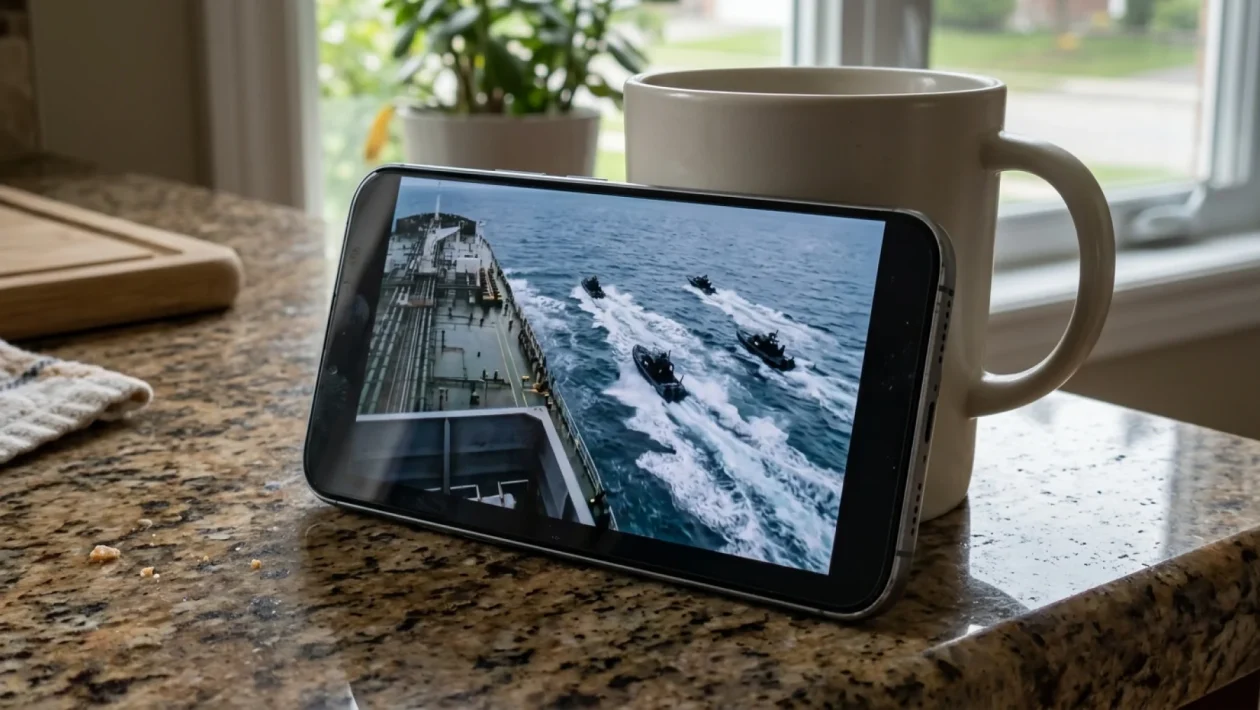
You have probably seen the blurry, ten-second clip on the evening news, sanitized and heavily edited for prime-time television. But the raw, uncensored footage of the latest Hormuz ship attack tells a much darker, highly calculated story that network executives are hesitant to broadcast. We are cutting through the political spin and media censorship to break down exactly what happened on the water and why the ripple effects are heading straight for your wallet.
Let’s pop the hood on this incident. This isn’t just some random skirmish; it is a masterclass in modern asymmetric warfare unfolding right in the middle of our July 2026 summer shipping season. By examining the unedited video frame by frame, we can expose the real vulnerabilities in global supply chains and show you precisely how to prepare for the economic fallout.
Hormuz Ship Attack: The Reality Of The Summer 2026 Crisis
The Strait of Hormuz is essentially the jugular vein of the global energy market. When trouble brews in this narrow 21-mile-wide channel, the whole world feels the pinch within days. The recent attack on a commercial tanker wasn’t just a show of force; it was a targeted disruption aimed at the very systems keeping our modern economy afloat.
Here is a hard fact that should make anyone sitting in traffic pay attention: roughly 20% of the world’s total oil consumption passes through this exact maritime chokepoint every single day. When a massive tanker is brought to a standstill, the logistical nightmare stretches all the way to North America. Canadian energy giants like Irving Oil are already scrambling to adjust their Atlantic supply lines to mitigate the impending delays.
This is not a distant problem. It is a direct threat to the price you pay at the pump and the cost of every single product transported by diesel trucks across our highways.
Video Uncensored: What The Network Broadcasters Edited Out
If you only watch the major networks, you miss the tactical reality of what commercial crews are facing. The broadcast versions cut away before the swarm tactics become apparent, leaving viewers with a false sense of security. The uncensored video circulating on secure maritime channels reveals a highly coordinated, multi-vessel assault that is terrifyingly efficient.
The raw footage shows zero hesitation. It strips away the sterile, drone-view perspective and puts you right on the deck of a 300,000-ton vessel under siege. We are talking about high-speed interceptors completely ignoring standard maritime warning flares and bypassing the ship’s massive physical defenses with ease.
Interestingly, marine analysts reviewing the unedited tape noted that the ship’s sophisticated navigation arrays—many powered by embedded systems akin to BlackBerry QNX technology used in commercial transit—were completely unresponsive just moments prior to the physical breach. The networks cut the footage of the digital blackout, but the raw video proves this was a cyber-physical strike.
Breaking Down The Raw Footage: A Step-By-Step Tactical Look
When you watch the unedited tape without the distraction of a news anchor, a clear, chilling timeline emerges. It is a precise operation executed with military-grade discipline. Here is exactly how the attackers dismantled a massive commercial vessel in under ten minutes:
- Electronic blinding: The video starts with the ship’s automated defense alarms blaring out of sync. Attackers used localized GPS jamming to disorient the crew and disable distress transponders.
- The swarm approach: Next, four fast-attack craft emerge from radar blind spots. They approach at different vectors, splitting the crew’s attention and making fire-hose defense tactics useless.
- Strategic targeting: Instead of aiming for the cargo hold, the video clearly shows the attackers targeting the ship’s propulsion and steering bays with shaped charges, instantly turning the massive tanker into a floating roadblock.
This sequence highlights a total evolution in maritime piracy. They aren’t trying to steal the cargo; they are trying to dictate global terms by controlling the waterway.
The Global Fallout: Why This Hits Your Wallet
You might be thousands of miles away from the Middle East, but your bank account is tied directly to the safety of that shipping lane. When risk goes up, insurance premiums for these mega-ships skyrocket overnight. Those costs are immediately passed down to the consumer, acting as an invisible tax on your daily life.
To put this into perspective, let’s look at the immediate economic shockwaves hitting our shores.
| Economic Sector | Immediate North American Impact |
|---|---|
| Fuel & Diesel | Expected 12-15 cent per litre spike at the pumps by next week. |
| Consumer Goods | Surcharges added to trans-oceanic freight, driving up retail prices. |
| Supply Chain | Vessel rerouting around Africa adds 14+ days to delivery schedules. |
We are already seeing the domino effect in real time. The situation is forcing industry leaders to make tough calls about inventory and pricing.
“When you shut down a lane like Hormuz, even for 24 hours, you aren’t just delaying ships. You are effectively burning millions of dollars in logistical delays that the middle-class consumer ultimately has to pay for.”
The uncensored footage isn’t just a dramatic action sequence. It is a leading economic indicator that the cost of living is about to take another hit.
Frequently Asked Questions (FAQ)
Is it legal to watch or share the uncensored attack footage?
Yes, accessing and analyzing raw, unclassified footage of maritime incidents is completely legal for civilians and journalists in North America. However, major social media platforms often pull these videos down due to their internal community guidelines regarding violent or distressing content.
How quickly will this specific attack impact Canadian gas prices?
Historically, commodity markets react to Strait of Hormuz disruptions within 48 hours. By the time the refined fuel reaches your local gas station, you can expect to see price adjustments within seven to ten days of the initial incident.
Are shipping companies changing their routes to avoid the danger?
Absolutely. Many major shipping conglomerates are now rerouting their fleets around the Cape of Good Hope. While this avoids the conflict zone, it adds thousands of miles to the journey, heavily inflating fuel costs and delaying essential deliveries across the board.
🤝 Share your thoughts on this situation; keeping informed is your best defense against economic surprises. We are living in a highly connected world where a blocked strait on the other side of the planet dictates the cost of your summer road trip.
💡 Stay ahead of the curve by filling up your tanks early and keeping a close eye on retail prices over the next few weeks. The raw footage proves that maritime security is fragile, and the markets are reacting aggressively.
📱 Join the conversation on our forums or follow our maritime updates closely. When you know how to read the raw data instead of relying on the sanitized news, you are always one step ahead.
👇 Good luck out there, stay practical, and keep your eyes on the horizon.