Utility officials are warning residents about a hidden carbon monoxide hazard tied directly to popular summer cooling appliances.
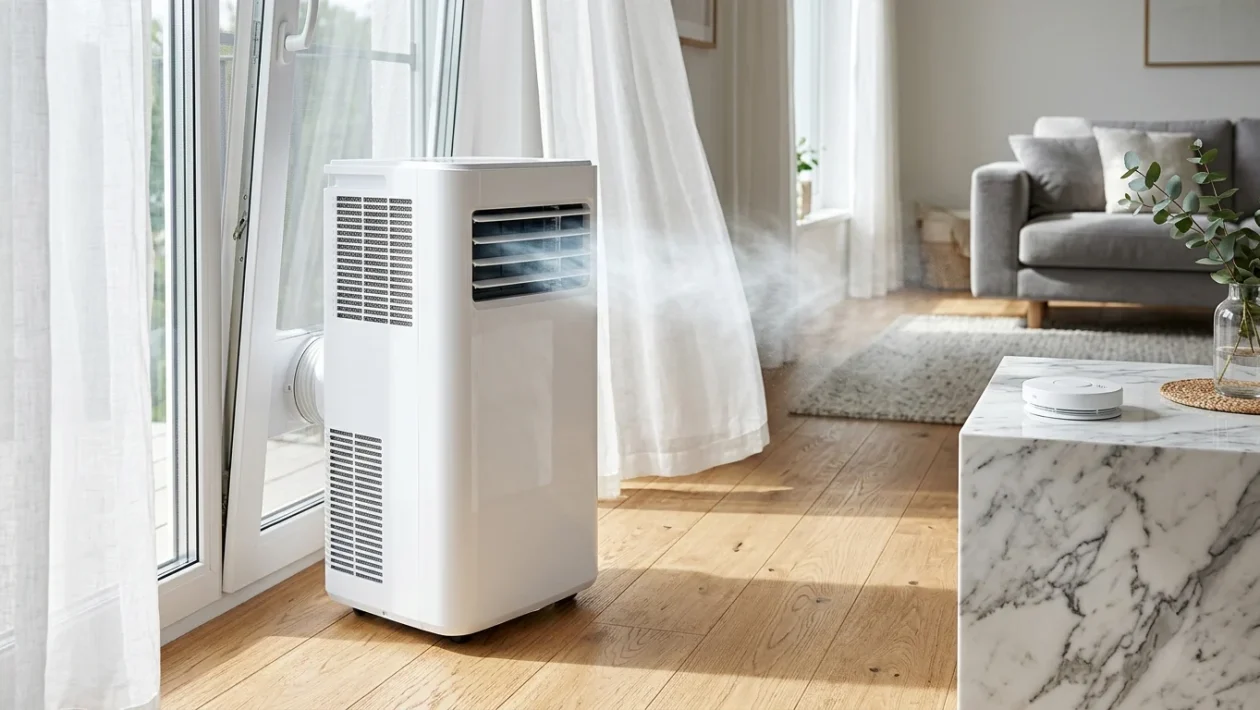
Portable, wall-mounted, and window-mounted air conditioners can rapidly exhaust indoor air outdoors. If that air is pushed out faster than fresh air can enter, it creates negative pressure inside the home.
This depressurization acts like a vacuum. It can draw deadly carbon monoxide (CO) backward down the vents of fuel-burning appliances like gas furnaces, ranges, and conventional water heaters.
A Rising Summer Threat
SaskEnergy reports receiving CO calls connected to air conditioning “many times a week.” The utility attributes this surge to the growing accessibility and everyday usage of portable cooling technology.
The problem is most prevalent in homes that pair a portable air conditioner with a conventional water heater.
Alana Johnson, SaskEnergy’s director of strategic communications, clarified that the utility is not calling these cooling units inherently dangerous. The issue lies entirely in how they alter indoor air flow.
“That’s not the point. That’s not the message,” Johnson said. “What we want people to be aware of is that there is some risk on how portable air conditioners work in a home and what that might do to the air flow in your home.”
How to Neutralize the Vacuum Effect
To prevent negative pressure, officials advise residents to simply open a window or door slightly. This allows fresh outdoor air to safely replace the air being pushed out by the AC unit.
Homeowners should also avoid running multiple exhaust devices simultaneously. Operating kitchen fans, bathroom exhausts, and portable ACs all at once severely increases the risk of depressurization.
Additionally, external exhaust vents must be kept completely clear of debris, and all fuel-burning appliances should receive regular inspections.
Outdoor Hazards Being Pulled Indoors
The danger is not limited to indoor appliances. An air conditioner pulling outside air into the home can easily draw in toxic exhaust if it is placed too close to an external CO source.
Fire Marshal Ryan Bradley of the Saskatoon Fire Department noted that summer CO emergencies frequently begin in the garage or yard. Starting lawn mowers, chainsaws, or vehicles inside a garage can flood a connected home with fumes.
Likewise, operating a barbecue or gasoline generator on a back deck near a vent or open window creates an immediate hazard. The depressurization caused by a portable AC can pull those grill fumes directly into the living space.
“The unit itself doesn’t actually create the carbon monoxide, but it does create the condition where carbon monoxide can become a hazard,” Bradley said.
“Carbon monoxide is one of those things that we want the public to know is always a concern. It is always a risk. The best way to mitigate that is to ensure you have a good working CO alarm in your home.”