Squirrels are backyard acrobats, but their charm fades the second they breach your attic or clear out a bird feeder.
“You can’t keep squirrels completely away from your home and garden,” says Michael Mengak, PhD. “But you can take a few steps to reduce the damage they can cause.”
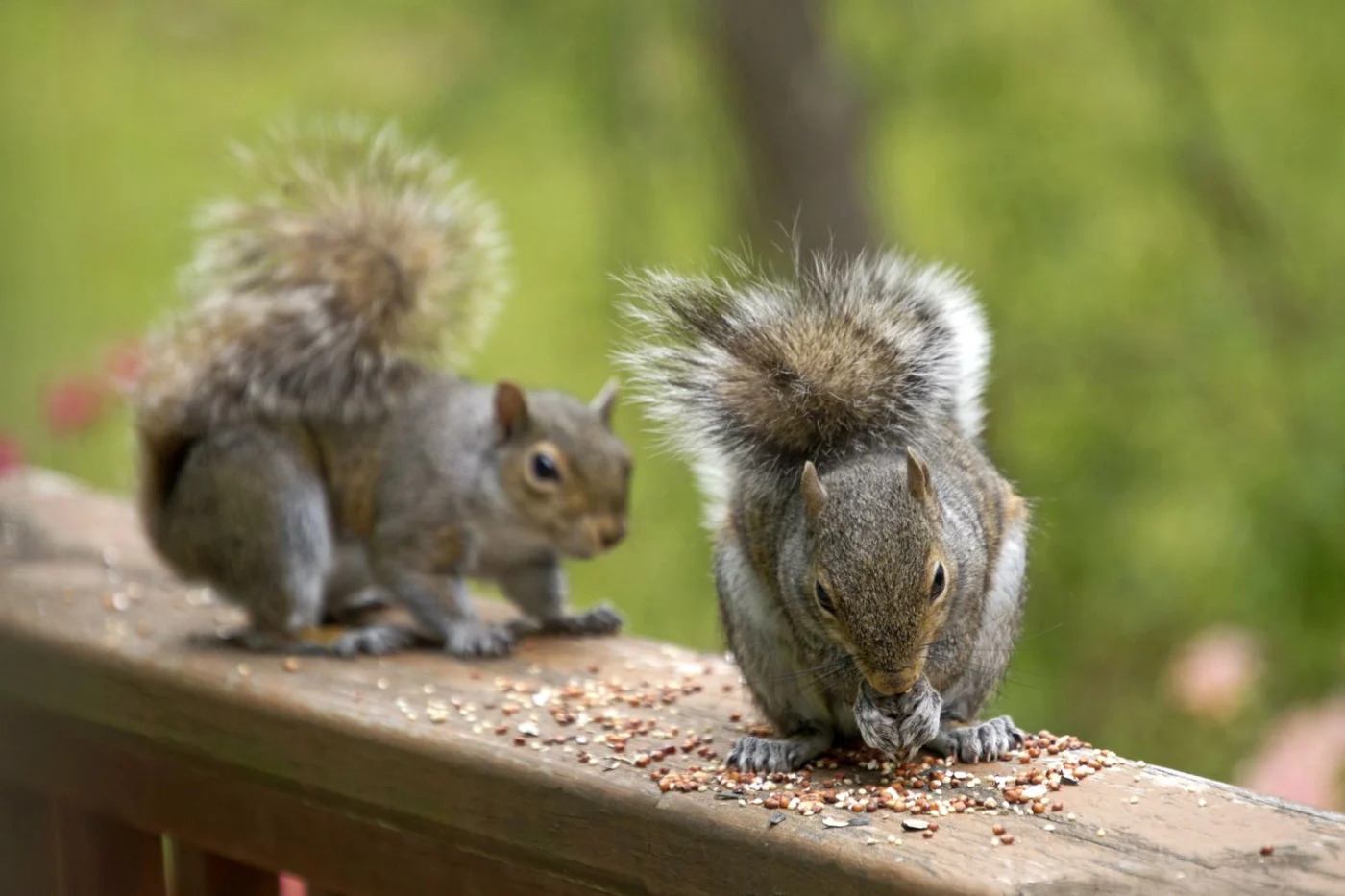
A squirrel resting on a piece of outdoor wood structure.
The real threat begins when these rodents move indoors. Squirrels routinely target attics, wall voids, garages, and sheds to build their nests.
Once inside, they gnaw through electrical wires, creating serious fire hazards. “Over time, urine and feces can accumulate, too, in places such as attic insulation,” warns Sheldon Owen, PhD.
Identifying the Culprits and Their Entry Points
In the Southeast, homeowners typically face two main invaders: the gray squirrel (Sciurus carolinensis) and the Southern flying squirrel (Glaucomys volans).
Gray squirrels operate alone during the day, while flying squirrels are nocturnal and nest in colonies of four to five. Both species actively seek out soft, rotted wood to chew through.
They squeeze through vulnerabilities under eaves, gable vents, behind chimneys, or where rooflines intersect. To spot an invasion, listen for relentless scratching overhead.
You might also find oily, brown smudges on your siding where they repeatedly squeeze through narrow gaps.
How to Evict a Squirrel Safely
Never seal a hole until you confirm the squirrel has left. If trapped inside, the animal will either chew a new exit or die in your attic, triggering foul odors and a fly infestation.
Always check the nest for babies before initiating an eviction. Once the family is out, permanently block the entrance.
Use metal flashing or quarter- to half-inch hardware cloth. Never use window screening, as squirrels will easily chew right through it.
You must also cut off their aerial highway. Squirrels can jump four feet vertically and eight feet horizontally. Trim all tree limbs so they remain at least eight feet away from your roofline.
Sanitizing the Nesting Zone
Cleaning up after a squirrel requires caution. Put on disposable gloves, clear out food debris, and throw away any soiled insulation.
Mix 1.5 cups of household bleach with one gallon of water, or grab a general commercial disinfectant. Spray the droppings directly and let the solution sit for five minutes.
Wipe the mess away with paper towels, dispose of everything in a sealed bag, and immediately wash your hands. If the nest is too high or dangerous to reach, Owen suggests hiring a professional nuisance wildlife removal company.
A close-up view of a wild squirrel outdoors.
Protecting Your Bird Feeders
Squirrels are relentless, but a few strategic hurdles can keep them out of your birdseed. Mengak and Owen recommend these proven tactics:
- Install a baffle: A plastic or metal shield mounted on the pole prevents squirrels from climbing up.
- Spinning cables: String feeders on a cable covered with 2-to-3-inch plastic pipes. The pipes will spin, dropping the squirrel before it reaches the food. Keep this setup at least eight feet from jumping points.
- Weight-activated feeders: Buy feeders with ports that close under a squirrel’s weight. Some models feature motorized perches that gently spin to toss the squirrel off.
- Swap the seed: Fill feeders with safflower, millet, or thistle. Squirrels generally dislike these seeds unless they are completely starving.
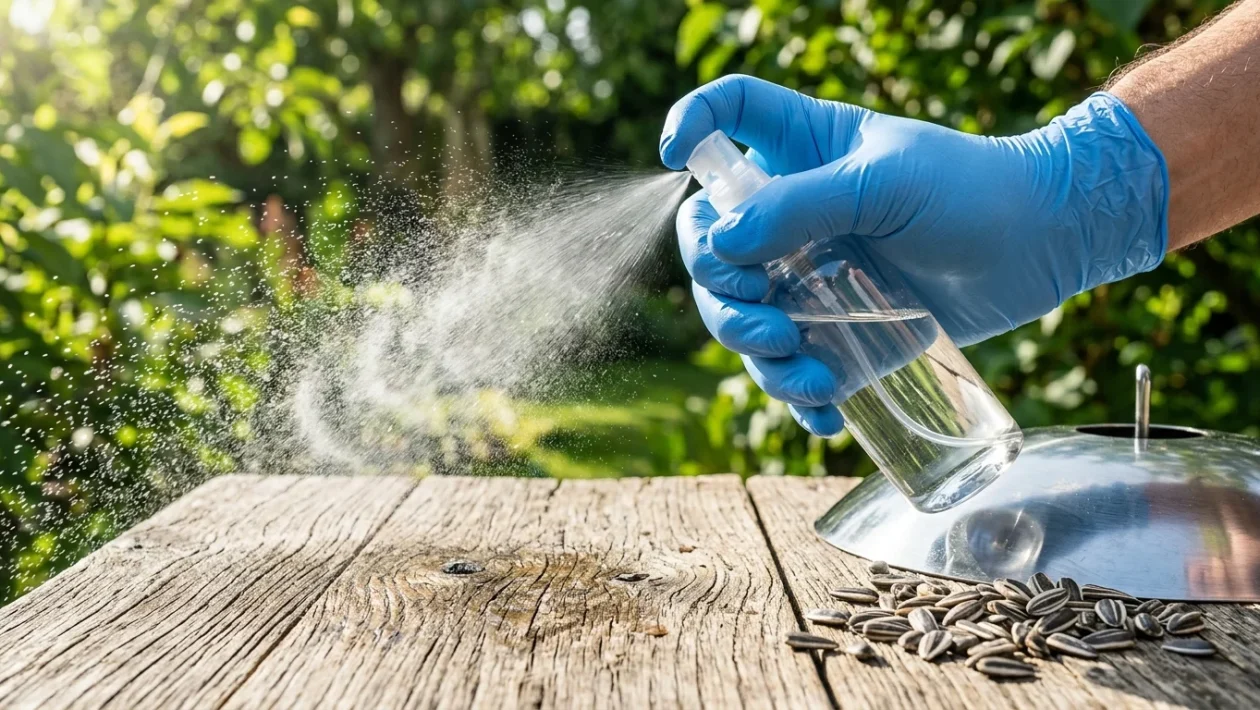
- Spike it with heat: Mammals hate capsaicin. Mix hot sauce into the birdseed or buy pre-treated “hot” seed. You will need to reapply after heavy rain.
- Set a decoy: Create a “sacrificial feeder” filled with cracked corn and peanuts far away from your bird stations. It might distract them enough to leave the main feeders alone.
Defending Your Saplings and Avoiding Scams
Squirrels often chew on the bark and branches of young trees, which can eventually kill the plant. While you can’t stop them from chewing the high canopy, you can wrap the base of vulnerable saplings with commercial tree wrap or a quarter-inch hardware cloth cage.
Don’t waste money on gimmicks. Owen and Mengak confirm that commercial repellents and essential oils completely fail to deter squirrels.
Sonic pest devices are equally useless, lacking any scientific backing. Instead, stick to low-tech physical barriers like sealing roof gaps and placing bird feeders out of jumping range.