Automated teller machines are daily necessities for millions, but they remain prime targets for cybercriminals. Scammers continuously exploit vulnerable users by installing hidden, fraudulent devices directly onto these machines.
One of the most common methods involves manipulating the ATM’s keypad. According to cybersecurity firm Avast, this type of financial fraud relies on sophisticated interceptors known as skimmers.

Cybercriminals take advantage of ATM withdrawals to scam users.
Criminals strategically place these gadgets on ATMs or point-of-sale terminals. Because they are meticulously camouflaged to match the existing hardware, they are nearly undetectable to the average person.
Once active, these devices harvest confidential data, including card numbers and PINs. Thieves then use this stolen information to make unauthorized transactions or clone physical cards.
Despite the massive shift toward digital payments, physical ATMs remain heavily targeted due to their widespread, everyday use.
Defending Your Bank Account
Protecting yourself requires proactive habits. Always choose ATMs located in well-lit, secure environments like bank branches or shopping malls.
These locations usually feature high-resolution surveillance cameras that deter criminals from tampering with the hardware.
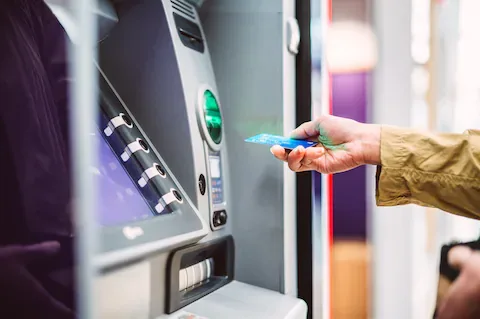
Exercise caution with ATM withdrawals, especially when traveling abroad.
Before inserting your card, visually inspect both the card slot and the keypad. If anything looks unusual or out of place, walk away and find a different machine.
When entering your PIN, always cover the keypad with your free hand to block hidden micro-cameras or peering eyes.
How to Identify a Fake ATM Keypad
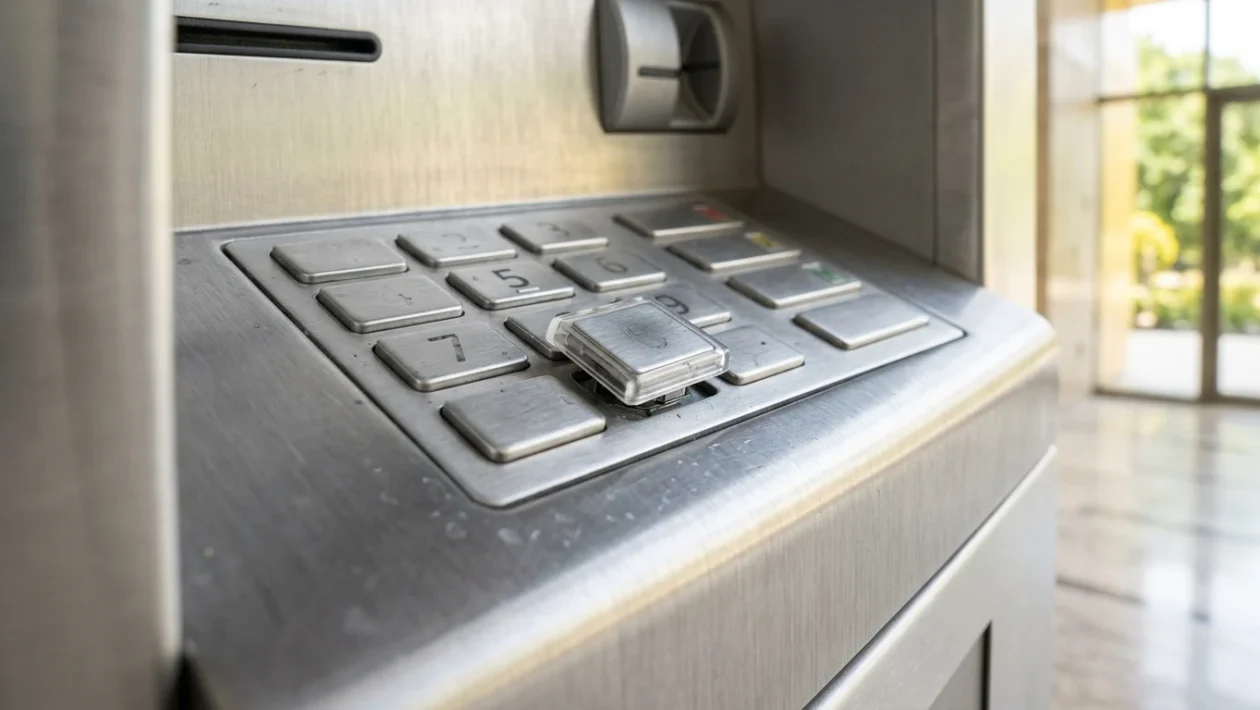
Thieves frequently place a false overlay keypad directly on top of the original machine to record your exact keystrokes. You can spot these fraudulent devices by looking for specific red flags:
- Visual inconsistencies: If the buttons look misaligned, sit unusually high, or have a different texture than the rest of the machine, it could be a fake overlay. Many have a crude finish or a slightly mismatched color.
- Loose attachments: Fake keypads are often poorly secured. Before typing your PIN, gently press the edges of the keypad or try to wiggle it. If it wobbles or feels loose, cancel your transaction immediately.
- Abnormal button pressure: Tampered keypads might require unusually hard or soft pressure to register a keystroke. This indicates the buttons are not directly connected to the ATM’s internal system.
- Signs of tampering: Visually inspect the edges around the keypad. Traces of glue, adhesive tape, or other mounting materials are clear indicators that a fraudulent device was hastily installed.