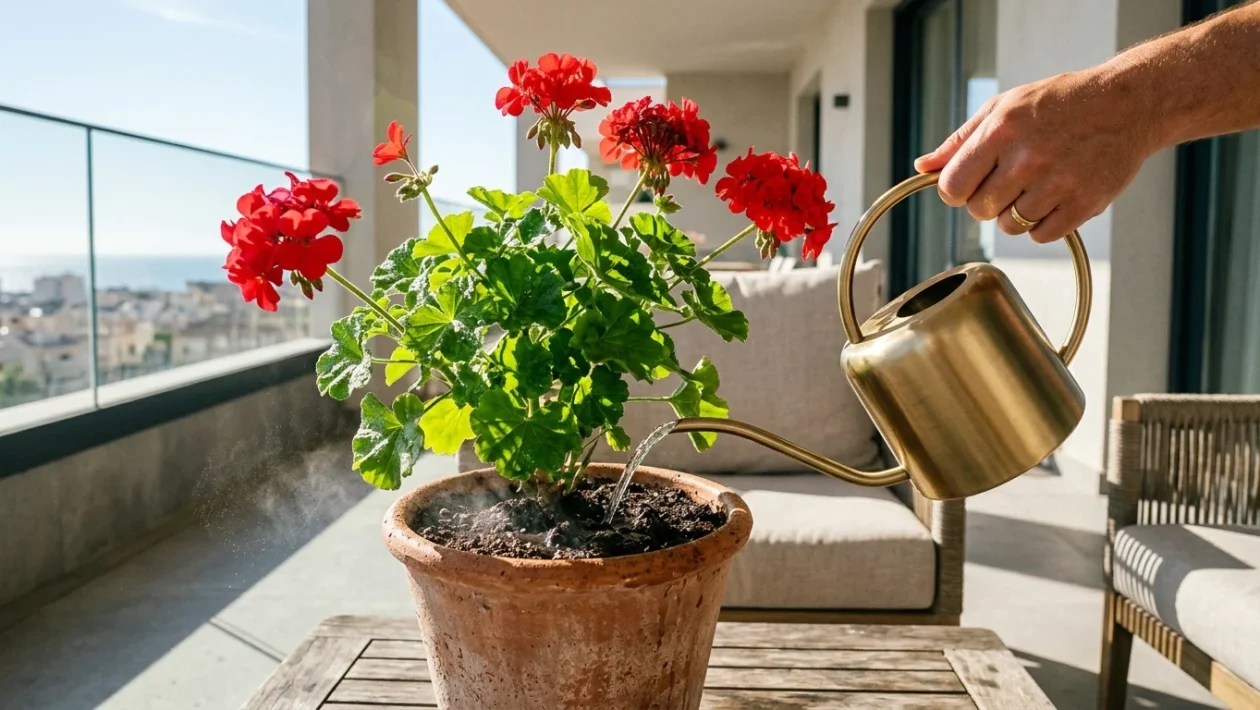
Engineered for Extremes
Scorching heat, relentless downpours, and prolonged droughts are pushing garden and balcony plants to their breaking point. Yet, the classic geranium remains a stubborn survivor.
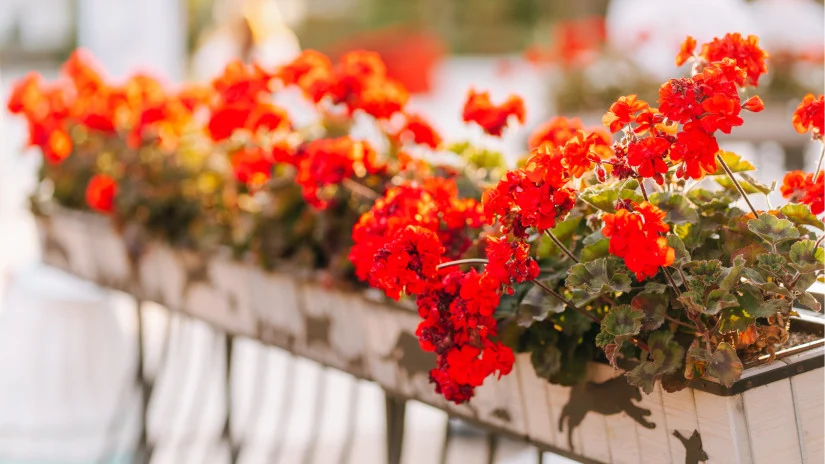
[Vibrant geraniums blooming in a sunny balcony setting]
According to experts at Pelargonium for Europe (PfE), proper care can keep these plants blooming beautifully despite chaotic summer weather. The secret lies in their DNA. The wild ancestors of today’s geraniums originated in South Africa, an environment defined by massive temperature swings, intense sunlight, and unpredictable rainfall.
Modern varieties have retained this natural resilience. They are unapologetic sun worshippers. While they reach their full potential on south-facing, sun-drenched balconies, they can still thrive in partial shade. Only completely shaded, north-facing spots will shut down their growth.
Thriving in the Heat
Extreme heatwaves are becoming the new normal. In parts of Europe, the number of days exceeding 86 degrees Fahrenheit has tripled since the 1950s. Urban areas suffer the most, as concrete and asphalt trap heat, leading to tropical nights where temperatures refuse to drop below 68 degrees.
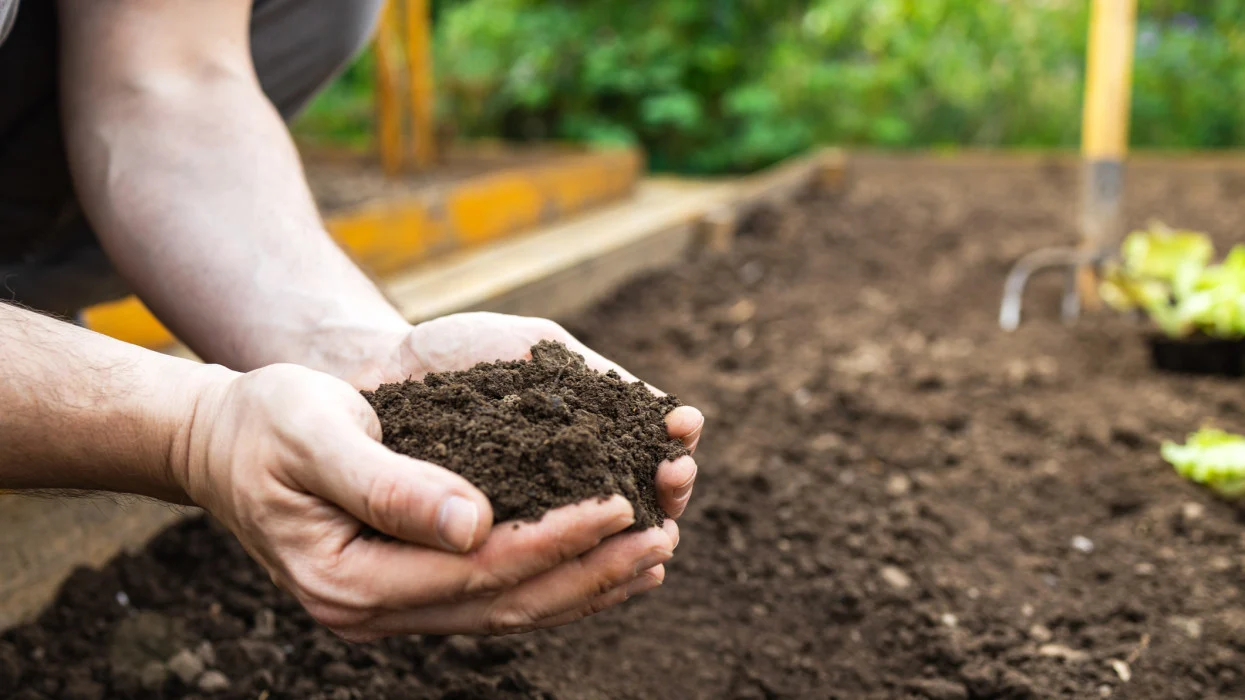
[Hands working with rich, aerated potting soil]
While many summer flowers wilt under this pressure, geraniums embrace it. However, high heat demands massive hydration. On exceptionally hot days, you must water them both in the morning and the evening. If manual watering is too demanding, self-watering planters or automated drip irrigation systems are highly effective.
The foundation of this heat resistance is high-quality potting soil. You need a loose, breathable mix that can absorb and retain multiples of its own weight in water without suffocating the roots.
Surviving the Drought
Geraniums are among the few popular summer flowers equipped to handle dry spells. Their thick, fleshy leaves act as miniature water reservoirs, allowing them to endure a few scorching days without a drop of water.
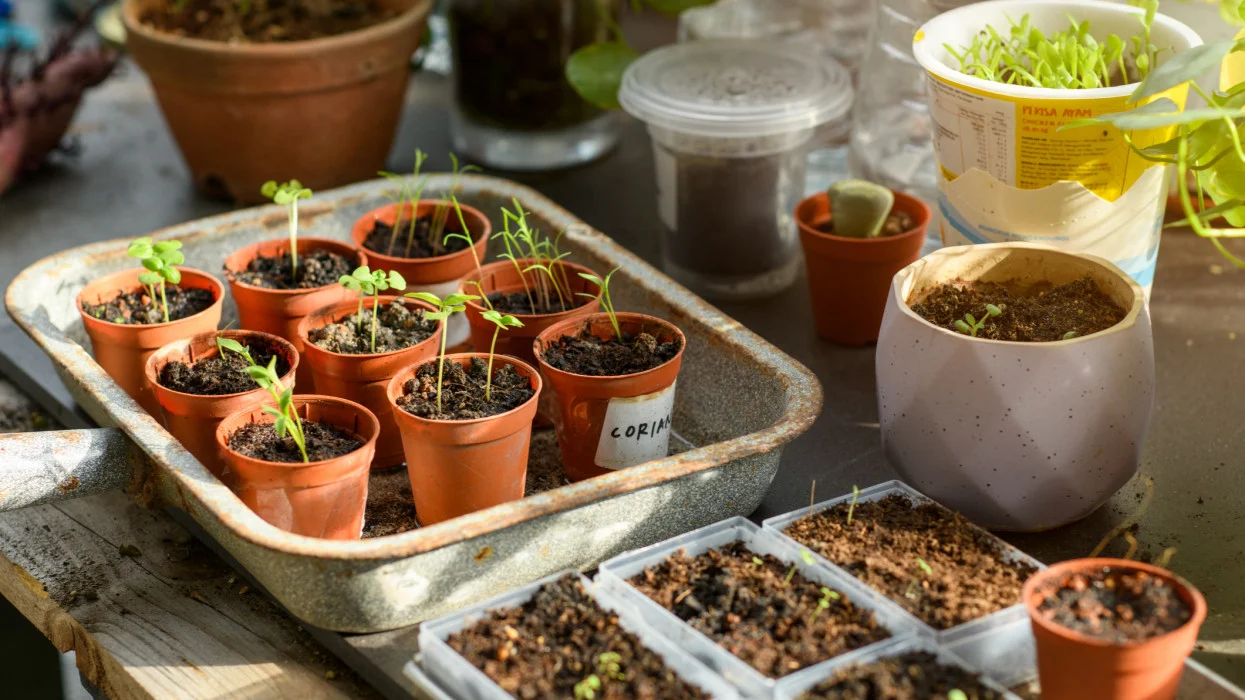
[Selecting healthy, resilient plants for a home garden]
This trait is especially valuable for container gardening, where soil dries out significantly faster than in ground beds. It also means you can leave for a long weekend without coming home to dead foliage.
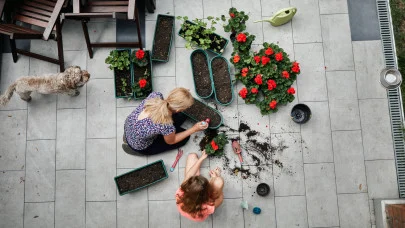
[A garden landscape adapted to handle climate shifts and dry spells]
However, chronic neglect will eventually break them. If a drought stretches on for weeks, the plant will stop blooming to conserve energy. Fortunately, they recover rapidly; once regular watering resumes, they quickly bounce back and produce new flowers.
Handling Heavy Rain
Continuous rainfall is the enemy of most balcony plants. While geraniums dislike wet feet, they are surprisingly tough. If rain is forecasted for several days, simply move your pots against a house wall or under a roof.

[Watering plants efficiently to manage root moisture]
If you cannot move them, ensure their containers have large drainage holes. Remove any saucers or decorative cachepots that might trap standing water. After a heavy storm, snap off the soaked, ruined blooms and apply a dose of fertilizer to help the plant recover. Pro tip: Single-flowered geraniums handle heavy rain far better than double-flowered varieties.
Fighting the Wind
Violent summer storms can physically tear plants apart. Tall, upright varieties and English geraniums are particularly vulnerable to stem breakage.
Protect fragile varieties by placing them behind a sturdy balcony railing. If you grow trailing geraniums on a windy terrace, anchor them in heavy, wind-resistant planters. Regularly pruning tall plants will keep their shape compact and vastly reduce wind damage.
Broader Impacts on Gardens and Agriculture
The erratic climate forcing us to adapt our balcony flowers is simultaneously reshaping the entire agricultural landscape. Managing outdoor environments now requires defensive strategies year-round.
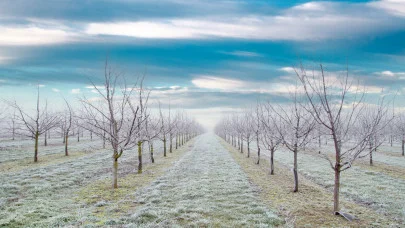
[Severe winter frost damage on exposed tree branches]
Extreme temperature swings mean winter frost damage is a growing threat for vulnerable shrubs and young trees.
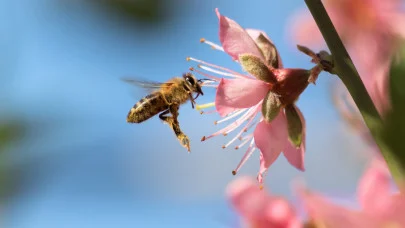
[Fruit trees blooming in early spring]
Orchard growers are increasingly forced to monitor early blooms, as unexpected late-spring frosts can wipe out an entire fruit harvest overnight.
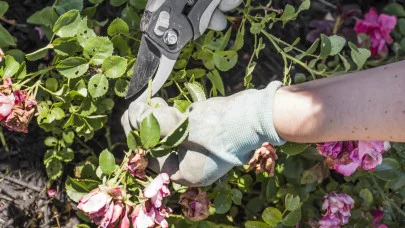
[A close-up of rose bushes requiring maintenance]
Even traditional garden staples like rose bushes demand updated pruning and maintenance routines to combat unpredictable moisture levels.
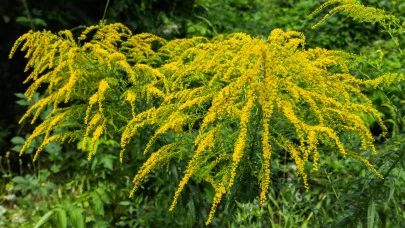
[A problematic plant choice disrupting a garden landscape]
Experts are actively warning homeowners against planting invasive or delicate species that drain resources and fail under environmental stress.
Conversely, gardeners are finding success by leaning into hardy, resilient crops, making winter vegetable cultivation a highly reliable strategy.
Standing water from sudden, heavy storms has also triggered aggressive pest outbreaks around major lakes, forcing communities to heighten their local pest control efforts.
On a commercial scale, the shift is just as stark. Agricultural technology is advancing rapidly, with modern farmers now viewing climate-controlled tractor cabins not as a luxury, but as a basic necessity for surviving long shifts in extreme heat.
These harsh environmental realities are even trickling down into education. Students are increasingly tested on historical climate adaptations and agricultural evolution in their core curriculums.
To navigate this chaotic future, industry leaders are mobilizing. A wave of upcoming professional summits is set to dictate policy and drive sustainable innovation for the coming decades, proving that adaptation is the only way forward.