Transforming Outdoor Spaces into Personal Sanctuaries
A garden is more than just a plot of land or a collection of plants. It is a highly controlled environment designed for escape, relaxation, and sensory engagement.
Standard grass lawns are increasingly giving way to highly specialized, purpose-built landscapes. Homeowners and renters alike are drawing garden design inspiration from global horticultural traditions to craft unique spaces.
Whether dealing with a sprawling suburban backyard or a tight urban footprint, the goal remains the same: building a physical and mental retreat that matches your specific lifestyle.
Cultivating Vibrancy in Flower Gardens
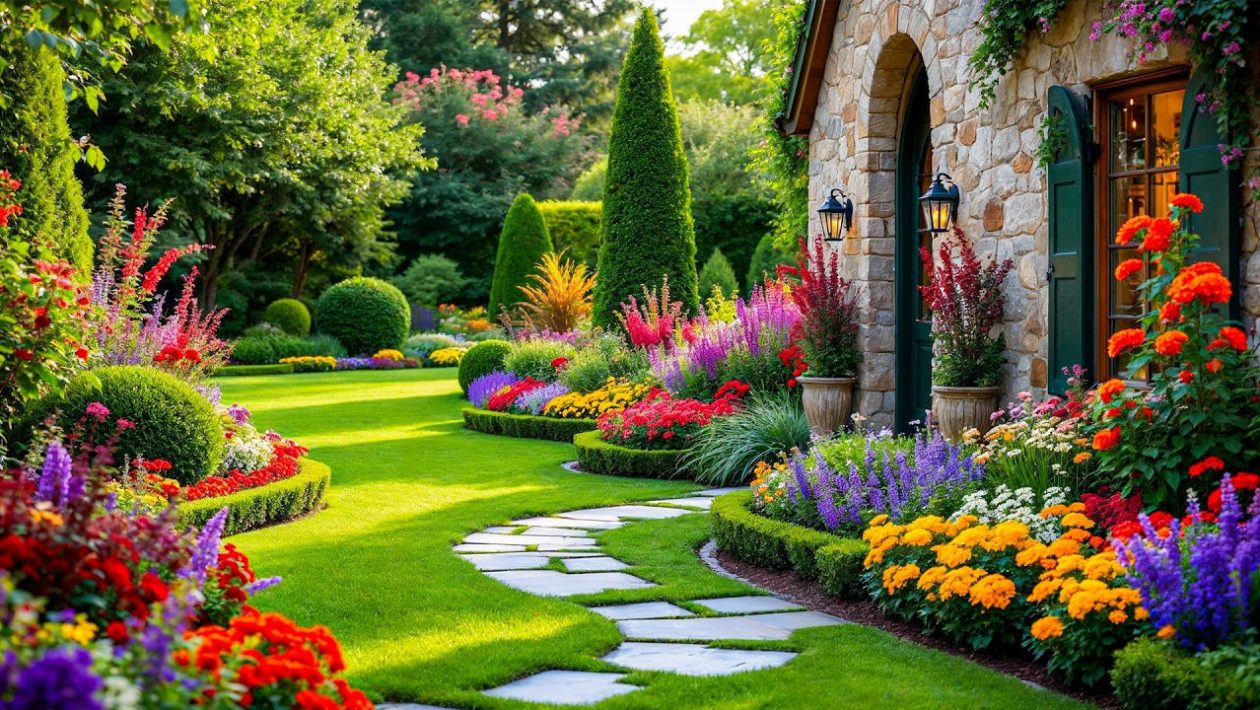
Flower gardens remain the gold standard for high visual impact. By strategically layering perennials and annuals, designers can engineer continuous blooming cycles from early spring straight through late fall.
Color psychology plays a foundational role in these designs. Cool tones like blues, purples, and whites promote tranquility and make small spaces feel larger. Conversely, warm reds, oranges, and yellows inject immediate energy into the landscape.
Beyond pure aesthetics, floral landscapes act as active micro-ecosystems. They draw in local pollinators and fill the yard with the natural acoustics of birdsong, creating an immersive, relaxing environment.
The Practical Elegance of Herb Gardens
Herb gardens bridge the critical gap between utility and landscaping. They offer a deeply tactile, intensely aromatic outdoor experience.
Designing a dedicated herb space requires a strict focus on accessibility and sunlight. Raised beds, terracotta pots, and geometric planters are standard tools. They keep aggressive spreaders—like mint—firmly contained while maintaining a clean, structured visual layout.
The concentrated greenery and distinct fragrances make these functional spaces ideal for morning meditation or a quiet evening retreat. They stimulate the senses without visually overwhelming the space.
Mastering Minimalism with Japanese and Zen Gardens
For those seeking profound tranquility, traditional Japanese garden principles offer a masterclass in architectural restraint. These spaces heavily prioritize evergreen foliage, structural stone, and moving water over bright, chaotic floral displays.
Zen gardens specifically utilize meticulously raked gravel or sand to represent flowing water, creating a highly stylized, dry landscape. The act of maintaining and raking the gravel serves as an active mindfulness practice.
Strategic placement of Japanese maples, moss beds, and stone lanterns forces the viewer’s eye to pause. This deliberate, slowed visual pacing fosters an environment of absolute serenity.
Elevating City Living with Rooftop Gardens
Urban density does not have to mean a complete disconnect from the natural world. Rooftop gardens are transforming unused concrete expanses into private sanctuaries suspended above the streetscape.
Weight load limits and constant wind exposure dictate the parameters of these designs. Landscape architects typically rely on lightweight fiberglass containers and hardy, wind-tolerant plant varieties.
The stark contrast between lush, organic foliage and the surrounding steel and glass skyline creates a striking visual dynamic. Combined with the distant ambient hum of the city, these elevated green spaces offer a distinctly modern escape.
Engineering a Lush Tropical Retreat
Creating a tropical-inspired garden relies on aggressively manipulating texture and scale. Large, broad-leafed plants like elephant ears, hostas, or hardy bananas instantly change the atmosphere of a standard patio or backyard.
Dense planting strategies help retain ground moisture and create localized microclimates. This intentional density mimics a natural jungle canopy, providing deep, cooling shade and a profound sense of isolation.
Incorporating moving water—whether through a subtle bubbling fountain or a cascading rock waterfall—completes the illusion. The constant sound of running water effectively masks neighborhood noise, solidifying the immersive retreat experience.