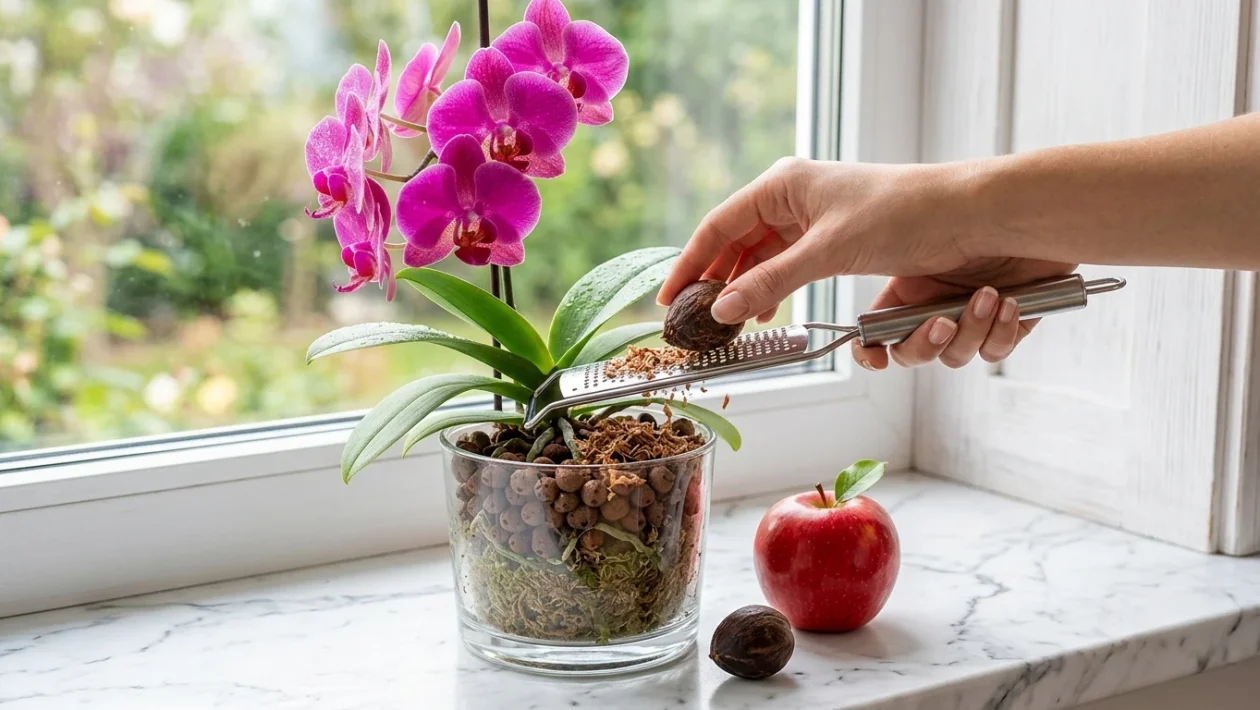
A healthy, blooming orchid plant in a well-drained pot.
Orchids have secured their spot as the centerpiece of household windowsills. They require minimal maintenance while producing stunning blooms that last for years.
However, even these resilient plants eventually exhaust the nutrients in their potting mix. To trigger explosive growth and vibrant flowers, look no further than your breakfast plate.
A vibrant orchid thriving indoors as a popular houseplant
The Avocado Pit Fertilizer Method
Store-bought potting soil rarely sustains an orchid over the long term. Natural, slow-release fertilizers can bridge this nutritional gap without the risk of chemical root burn.
While dried banana peels and crushed eggshells are common go-to solutions, an avocado pit offers a potent and overlooked alternative.
An avocado pit acts as a nutritional powerhouse for houseplants. It contains high levels of potassium, phosphorus, and magnesium. This specific mineral combination strengthens root systems and stimulates aggressive blooming.
Never bury a fresh pit directly into the soil. You must dry the avocado pit completely in a warm area for several days to prevent it from rotting.
Once dried, grate the pit into smaller flakes and bury them directly in the orchid pot. As the pieces break down, they slowly release essential vitamins into the substrate.
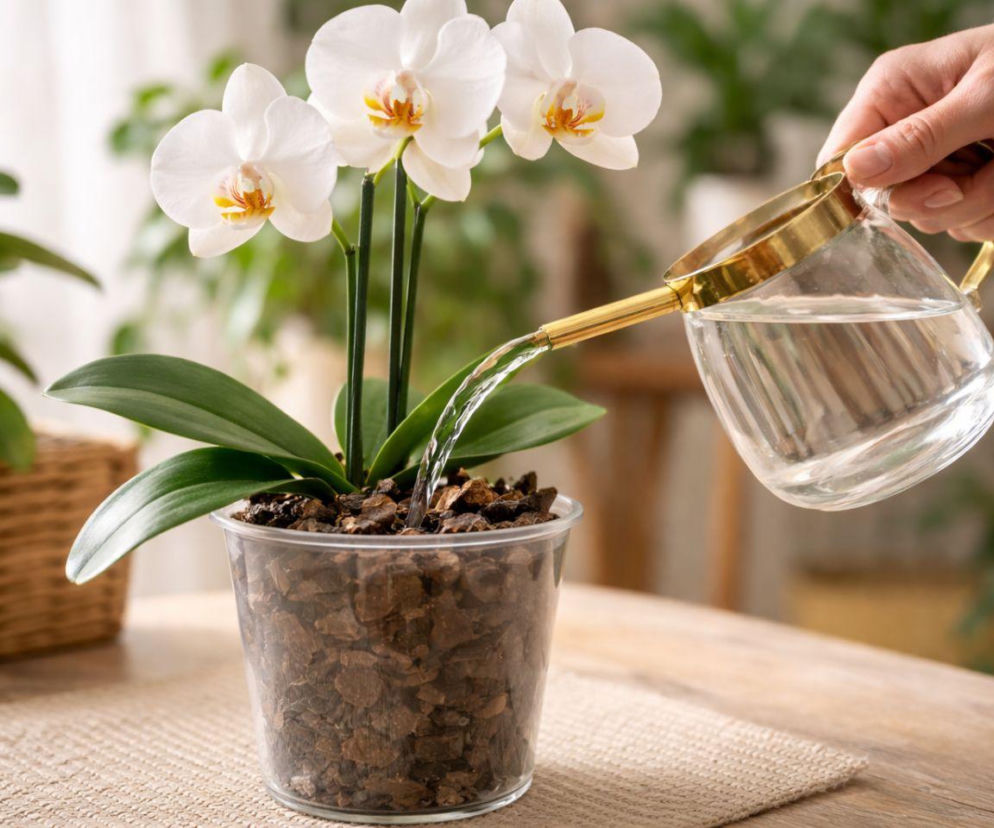
Close-up of healthy orchid roots and blooming flowers
The Apple Trick for Faster Blooming
Sometimes, plant care extends beyond conventional watering and feeding routines. Placing a simple apple near your orchid can yield unexpected, rapid results.
Ripening apples emit ethylene, a natural gaseous plant hormone. This gas acts as a biological alarm clock, signaling the orchid to accelerate its blooming cycle.
You can place a whole apple or a single slice next to the pot to trigger this reaction. However, timing is highly critical with the ethylene method.
Remove the fruit immediately once the orchid starts producing flowers. If left too long, the same gas that forced the bloom will cause the new flowers to wilt prematurely.
Drainage is Non-Negotiable
Epiphytic orchids grow naturally on tree trunks, meaning their roots are constantly ventilated and dry rapidly after rain. They absolutely cannot tolerate standing water.
Constant moisture in the pot inevitably leads to root rot. This is the leading cause of death for indoor orchids.
A highly permeable substrate is mandatory. While expanded clay pebbles are the standard choice, several common materials work perfectly as a drainage layer.
You can utilize coarse gravel, shards of broken ceramic pots, or even chunks of styrofoam at the base of the planter. These materials remain stable, refuse to decompose, and guarantee free-flowing drainage. Simply wash the materials thoroughly before adding them to your pot.