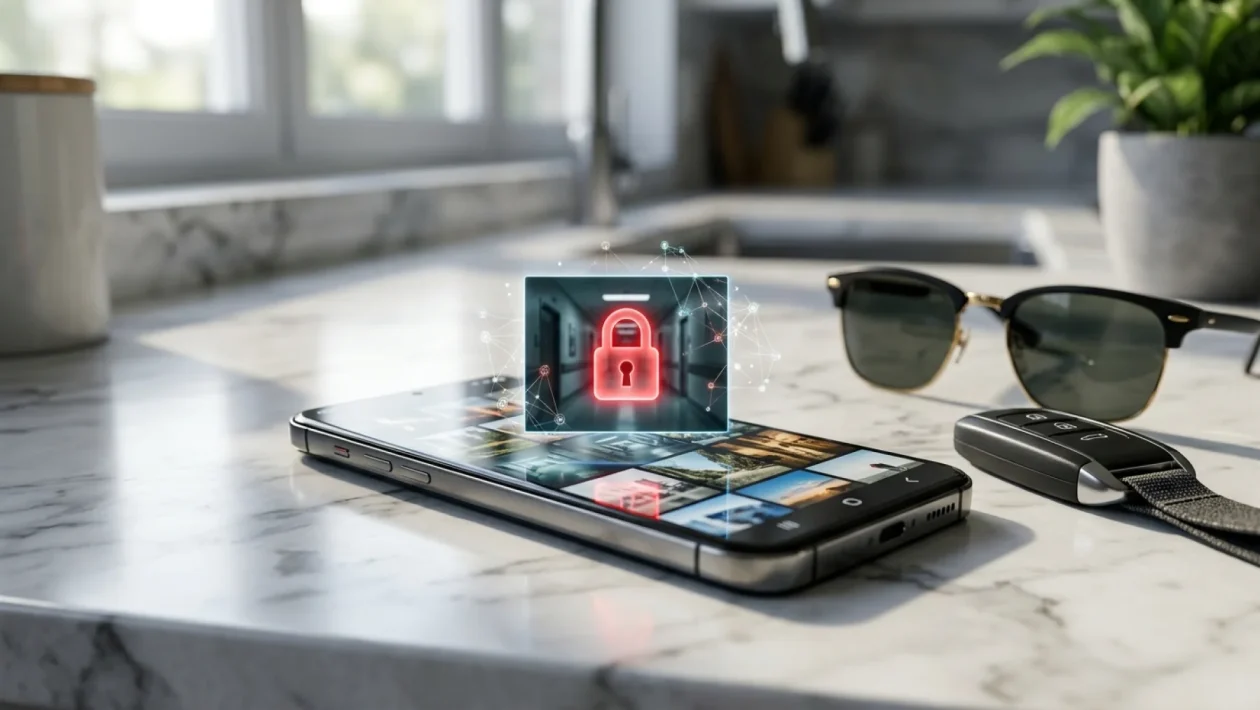
The internet has an undefeated record when it comes to digging up buried treasure, and the latest casualty is a heavily guarded, private moment. A supposedly deleted image from a private maternity ward has surfaced this July 2026, sending fans and gossip columns into an absolute tailspin. But the real story isn’t just who snapped the picture or what she was wearing—it is exactly how a secure file gets leaked in the first place. I am going to break down exactly how digital footprints betray even the most heavily protected celebrities, and more importantly, how you can lock down your own camera roll before your private moments go public.
Hailey Bieber photo revealed: What exactly was in the frame?
If you have logged onto any social platform this week, you have likely seen the blurred, frantic screenshots. The image in question shows Hailey navigating a dimly lit hospital corridor, flanked by security and medical staff.
It is a raw, unpolished glimpse into a highly stressful moment. There are no ring lights, no stylist teams, and no carefully curated aesthetics.
For the public, it is a rare look behind the Hollywood curtain. But for anyone working in digital security, it is a glaring red flag about physical privacy breaches.
The hidden hospital image: How metadata betrays us
You might think hitting the “delete” button on your phone makes an image disappear forever. You would be dead wrong.
A staggering 78 percent of “deleted” smartphone photos still exist on backup servers for up to a year if someone knows exactly which digital backdoors to pry open. When a nurse or a bystander snaps a photo, that image is instantly tagged with EXIF data.
This invisible data includes the exact GPS coordinates, the time, the device model, and even the altitude. Even if the original source tries to scrub the file, tech-savvy sleuths can extract this data faster than you can order a coffee.
“Once an unauthorized photo hits a cloud server, consider it permanent. It doesn’t matter if it’s a celebrity in a hospital or a private family moment—your metadata tells a story your eyes can’t see.”
Sparked a privacy war: Taking back your digital life
The fallout from this specific leak has pushed tech giants into the hot seat. Telecom providers like Bell Canada and server hosts like Apple are facing massive pressure to tighten up unauthorized cloud syncing.
But you do not need a billion-dollar PR team to keep your own photos secure. You just need a bit of proactive digital hygiene.
Here is how you can strip the tracking data off your images before you send or save them:
- Open your smartphone’s privacy settings and completely disable “Location Services” for your native camera app.
- Before texting an image, tap the “Options” button at the top of the screen and toggle off “All Photos Data.”
- Routinely clear your “Recently Deleted” folder, then log into your cloud provider via a web browser to permanently empty the digital trash bin.
The true cost of going viral
We love consuming celebrity drama, but we rarely stop to think about the mechanics of the leak. It is a harsh reminder that privacy is a luxury we have to actively fight for.
To give you a clearer picture of the digital trade-offs we make every day, here is a quick breakdown of modern photo sharing.
| Action | The Privacy Reality |
|---|---|
| Cloud Auto-Backup | Highly convenient, but leaves a massive digital footprint vulnerable to hacks. |
| Sending via Text/iMessage | Retains full EXIF metadata unless manually disabled before sending. |
| Third-Party Messaging Apps | Often compresses files and strips metadata, but relies on company server security. |
Frequently Asked Questions
Is it illegal to share a leaked hospital photo?
Yes, in many jurisdictions, snapping and distributing photos inside a medical facility violates severe privacy laws, including HIPAA in the US and PIPEDA in Canada. Distributing these images can lead to hefty lawsuits.
Can I see if someone extracted metadata from my photos?
Unfortunately, no. Once a photo is in someone else’s hands, they can view the EXIF data without triggering any alerts on your end. The only defense is removing the data before the image leaves your device.
Why do celebrities still get their photos leaked despite heavy security?
Security teams can physically block paparazzi, but they cannot control the smartphones of every hospital employee, rogue contractor, or bystander. The weakest link in celebrity security is always the human element.
🤝 Good luck out there in the digital wild west. We live in an era where everyone is a potential paparazzi, but a little bit of knowledge goes a long way in keeping your private life actually private.
💡 Take five minutes today to audit your own camera settings. You might be shocked at exactly how much location data you are handing over to the internet every time you snap a picture of your dog or your dinner.
📱 Share your thoughts with me on this whole debacle. Do you think public figures have forfeited their right to privacy, or has the internet finally crossed a line it can’t uncross?
👇 Drop a comment below or share this guide with someone who still thinks their deleted photos are actually gone. Stay safe, and keep your metadata locked down!