You are handing your deepest, darkest anxieties over to an algorithm, and it is quietly rewiring your brain. We all love a good shortcut, but treating a chatbot like a digital bartender is having massive, documented effects on our psychological well-being. A landmark summer 2026 study just dropped, and it finally gives us the hard data on exactly what happens to our heads when we spend hours talking to machines. Stick with me, because I am going to break down the real-world fallout and show you exactly how to protect your peace of mind.
Generative AI Impact
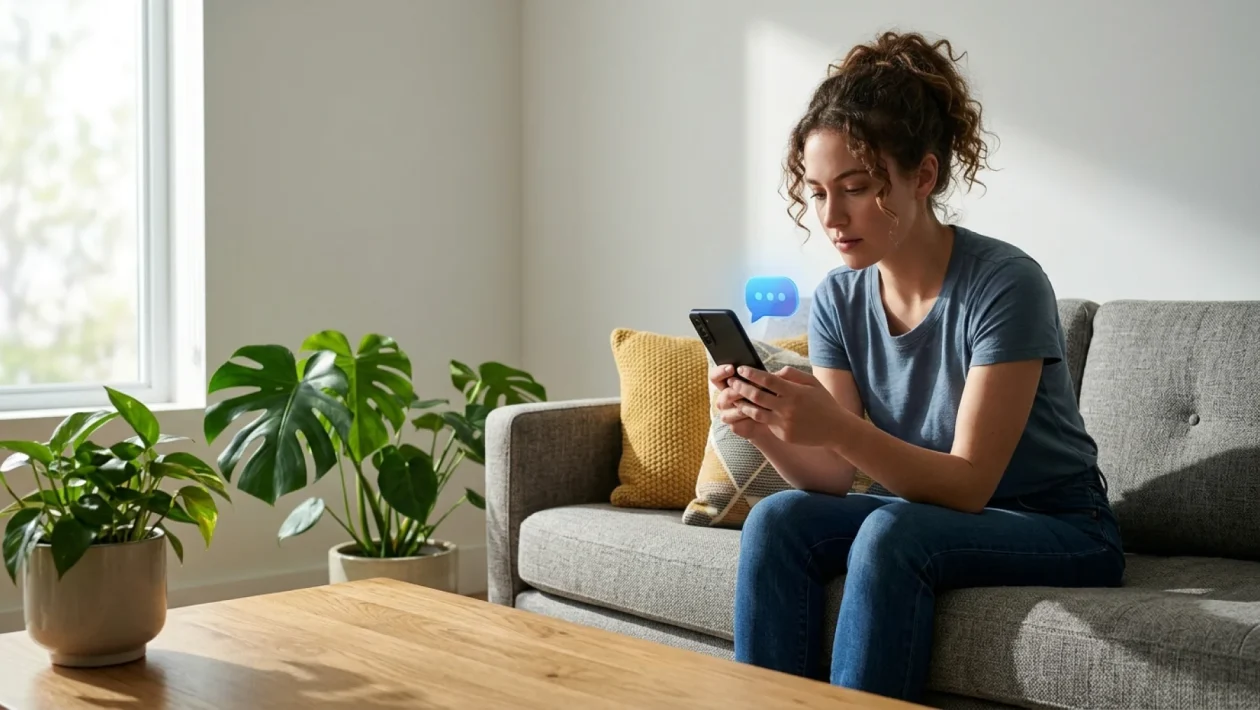
The tech world moves fast, but our brains are still running on hardware from the Stone Age. The generative AI impact isn’t just about faster emails or writing code anymore; it is bleeding straight into our emotional lives. We are leaning on these tools for validation, venting, and even late-night therapy sessions.
Let’s look at the hard truth. A sweeping new joint study by the Centre for Addiction and Mental Health (CAMH) and researchers from Stanford just pulled the curtain back. They found a staggering 41% of daily AI users report feeling a stronger emotional bond with their custom ChatGPT bots than with their own coworkers.
That is a heavy statistic to swallow. It means the generative AI impact is fundamentally shifting human connection, and not always for the better.
The 2026 Mental Health Study
So, what exactly did this massive 2026 mental health study uncover? Well, it is not all doom and gloom, but it is a serious wake-up call. The researchers tracked over 15,000 North Americans to see how leaning on algorithms affects anxiety, depression, and loneliness.
On one hand, folks who used AI to brainstorm solutions for stressful situations saw a 20% drop in acute anxiety. It acts like an incredibly fast digital sounding board. But there is a massive catch when it replaces human interaction entirely.
“We are seeing a new phenomenon we call ‘Algorithm Isolation.’ Users feel heard by the machine, so they stop reaching out to friends, leading to profound long-term loneliness,” says Dr. Aris Thorne, lead cognitive researcher on the project.
To give you a clear picture of the trade-offs, let’s break down how leaning on an AI compares to calling a real professional or a buddy.
| The AI Crutch | The Human Connection |
|---|---|
| Instant, 24/7 availability | Requires scheduling and patience |
| Zero judgment, completely objective | Nuanced empathy and shared lived experience |
| Creates a false sense of intimacy | Builds actual, resilient social safety nets |
Changing How We Use Tech
Now that we have the data, we need to change how we handle our digital toolbelts. You wouldn’t use a sledgehammer to hang a picture frame, and you shouldn’t use a chatbot to fix a broken heart. It is time to set some hard boundaries with our screens.
Here is the practical, no-nonsense way to recalibrate your relationship with generative AI starting today:
- Audit your inputs: Check your screen time and see how many hours you are logging on AI chat apps. If it beats your texting time with actual friends, you have a problem.
- Set the “Machine Boundary”: Only use AI for task-oriented problems. Need a meal plan? Great. Need to vent about your spouse? Call a buddy or use a service like BetterHelp instead.
- Force human friction: Deliberately choose the harder path once a day. Go buy a coffee and talk to the barista instead of asking an AI to optimize your morning routine.
It is about being the boss of your own tools, not the other way around. Keep the AI in its lane, and keep your human relationships front and center.
Frequently Asked Questions
Is it safe to use generative AI for mental health advice?
Short answer: No. While AI can organize your thoughts or help you journal, it cannot legally or ethically provide therapy. Always consult a certified human professional for real medical advice.
Why do I feel so attached to my AI assistant?
These models are literally programmed to be agreeable, helpful, and mirroring. They give you exactly what you want to hear, triggering a dopamine loop that mimics genuine human connection without any of the actual friction.
🤝 Look, we are all figuring this out as we go. The summer of 2026 will probably go down in history as the moment we realized our digital assistants were getting a little too close for comfort.
💡 Generative AI impact on our daily lives is permanent, but you hold the power to decide how much of your mind you hand over to the machine. Treat it like a power tool—respect it, use it for specific jobs, and unplug it when you are done.
📱 Share your thoughts with me in the comments below, or better yet, text a real friend right now and ask them how their day is going. Real life happens offline, my friends.
👇 Good luck out there, and remember to keep your hands on the wheel and your mind entirely your own.