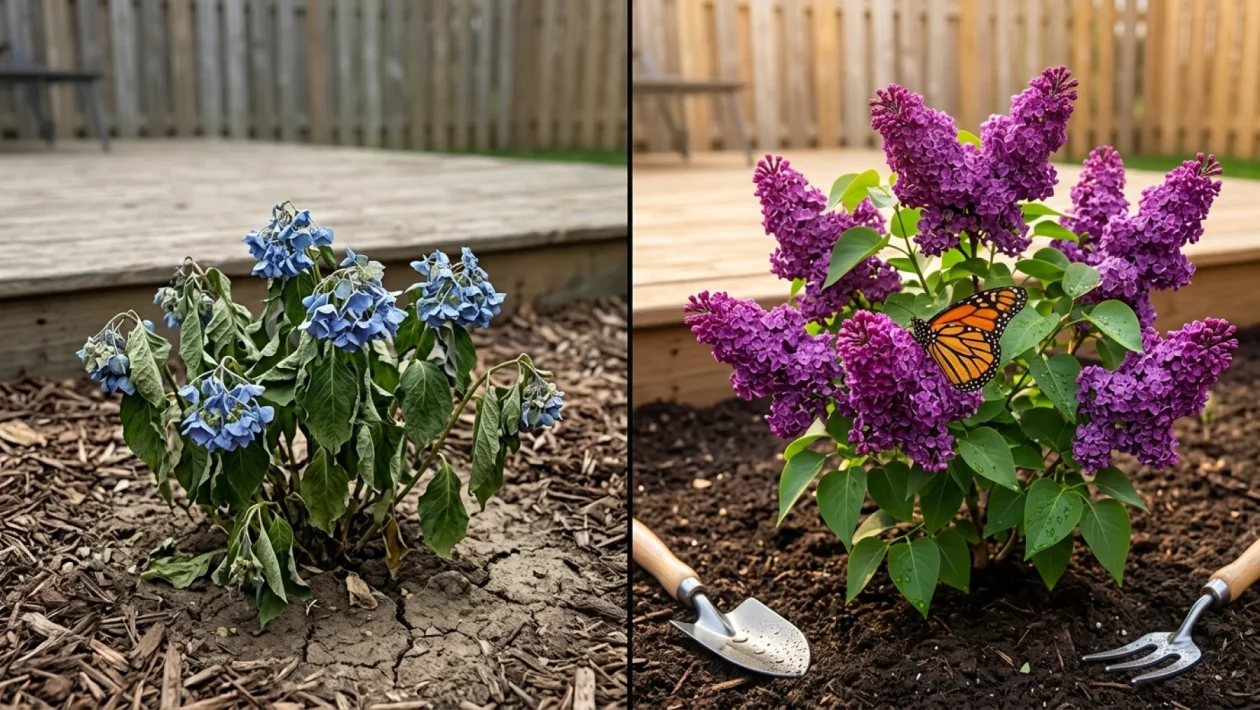
You spend a small fortune on fancy shrubs, only to watch them wilt the second you turn your back or forget a single watering. It’s frustrating, time-consuming, and frankly, unnecessary. If you want a backyard bursting with vibrant color and swarming with pollinators, you need a plant that works hard without the constant drama.
Enter the French lilac. This fragrant, heavy-blooming powerhouse gives you the massive floral clusters you crave, but thrives on absolute minimal effort. You can finally stop fighting your soil pH and start enjoying your weekends again.
Why French Lilacs Are The Top Choice
Also known as common or English lilac, the French lilac (Syringa vulgaris) is a spring-flowering champion. It delivers show-stopping clusters of blooms that range from deep purple to soft pink, blue, and pure white. But the real magic is the scent.
Nothing says a North American spring quite like that unmistakable, sweet lilac fragrance drifting across the patio. Now that we’re sweating through July 2026, those early bloomers have already done their heavy lifting, setting up the garden’s foundation for the entire summer.
They are tough as nails, especially in cooler climates. Whether you’re dealing with brutal winds in the prairies or coastal dampness, these shrubs are famously hardy in USDA Zones 3 through 7 (and into 8). That makes them virtually indestructible for most of us up here.
How To Replace Finicky Hydrangeas
Hydrangeas are gorgeous, but they demand constant moisture, specific soil conditions, and meticulous pruning. French lilacs, on the other hand, are the ultimate “plant it and forget it” alternative.
| Feature | Hydrangeas | French Lilacs |
|---|---|---|
| Watering | High maintenance (wilts easily) | Drought-tolerant once established |
| Maintenance | Requires exact soil pH for color | Thrives in standard, well-draining soil |
| Fragrance | Mild to none | Intensely sweet and room-filling |
You don’t need a degree in botany to keep them alive. Grab a healthy, bare-root or potted French lilac from a trusted local spot like Sheridan Nurseries, give it decent drainage, and nature does the rest.
“Lilacs are the unsung, low-maintenance heroes of the pollinator world. While gardeners exhaust themselves trying to keep high-maintenance shrubs alive, the French lilac provides crucial, reliable nectar without demanding a daily babysitter.” – Dr. Sarah Jenkins, North American Botanical Specialist.
Building A Thriving Butterfly Garden
If you want a true pollinator paradise, you need massive nectar production. While monarch caterpillars strictly eat milkweed, the adult butterflies desperately need heavy nectar stops to survive and migrate.
Did you know that adult monarch butterflies can travel up to 4,800 kilometers during their annual migration? They burn incredible amounts of energy, making the dense, nectar-rich flowers of the French lilac an absolute magnet for them, as well as swallowtails and hummingbirds.
To guarantee your yard is the ultimate butterfly pit-stop, follow this simple roadmap for explosive lilac growth:
- Maximize the sun: Surviving isn’t thriving. Plant your lilac in full sun (at least 6 hours a day) to force the highest volume of fragrant blooms.
- Verify your zone: Ensure you are planting in Zones 3-7. Lilacs actually need a cold winter dormancy to set their buds for the following spring.
- Prune with purpose: Grab a sharp pair of bypass pruners (a solid set from Lee Valley Tools will last a lifetime). Prune right after the spring blooms fade, using the “Three D” rule: remove dead, diseased, and damaged branches first.
Good air circulation from proper pruning keeps diseases at bay and guarantees larger, healthier flowers next season.
Frequently Asked Questions
Why isn’t my French lilac blooming?
The most common culprit is a lack of sunlight. If your shrub is in partial or heavy shade, it will grow leaves but refuse to flower. Over-pruning late in the season can also accidentally chop off next year’s buds.
Do French lilacs attract hummingbirds?
Absolutely. The tubular shape of the individual flowers making up the larger clusters is perfect for hummingbird beaks. They are heavily drawn to the nectar-rich blooms in early spring.
How big do French lilacs get?
Depending on the specific cultivar, a standard French lilac can grow anywhere from 8 to 15 feet tall and spread just as wide. Always check the plant tag and give them plenty of room to stretch out.
🤝 Let’s be real: your backyard should be a place to crack open a cold drink and relax, not a source of endless yard work and frustration.
💡 By swapping out those demanding shrubs for a rock-solid French lilac, you’re getting a yard full of world-class fragrance and heavy butterfly traffic with a fraction of the effort.
📱 Share your thoughts in the comments below, or fire this guide over to that neighbor who’s always complaining about their droopy, sun-scorched hydrangeas!
👇 Good luck out there in the dirt, keep those pruners sharp, and let me know how your new pollinator paradise turns out.