It is a universal indoor gardening experience: discovering a forgotten houseplant with shriveled, drooping leaves. While brief dry spells are harmless to some hardy varieties, prolonged neglect forces a plant’s roots into survival mode.
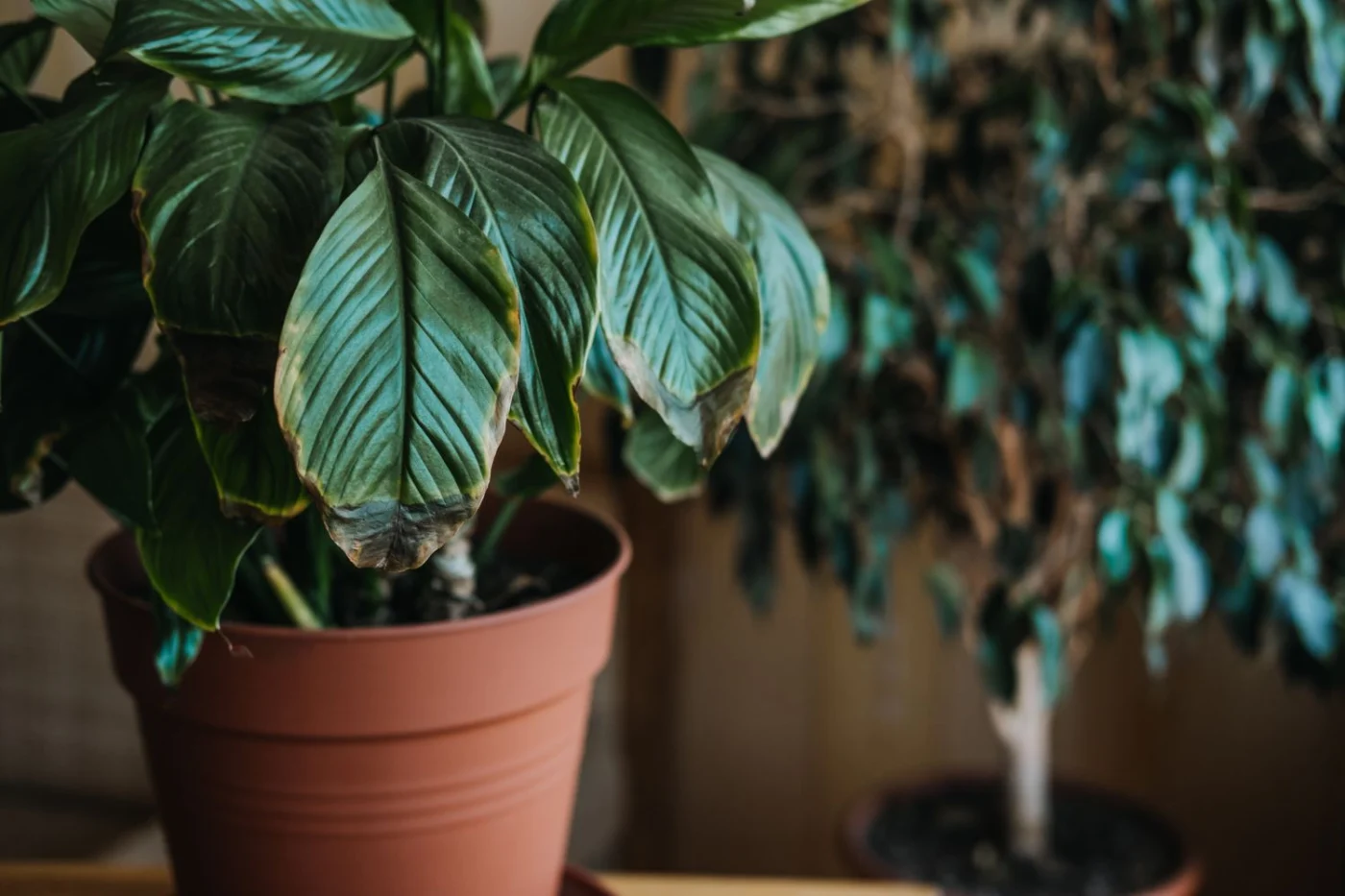
A wilted indoor plant showing severe signs of dehydration and neglect.
A severely drooping plant is not always a lost cause. However, standard recovery methods often do more damage than the drought itself.
The Mechanics of Dehydration
Underwatering is less about the volume of water you pour and entirely about the frequency of your schedule. When a plant goes dry for too long, it redirects its energy from growth to basic survival.
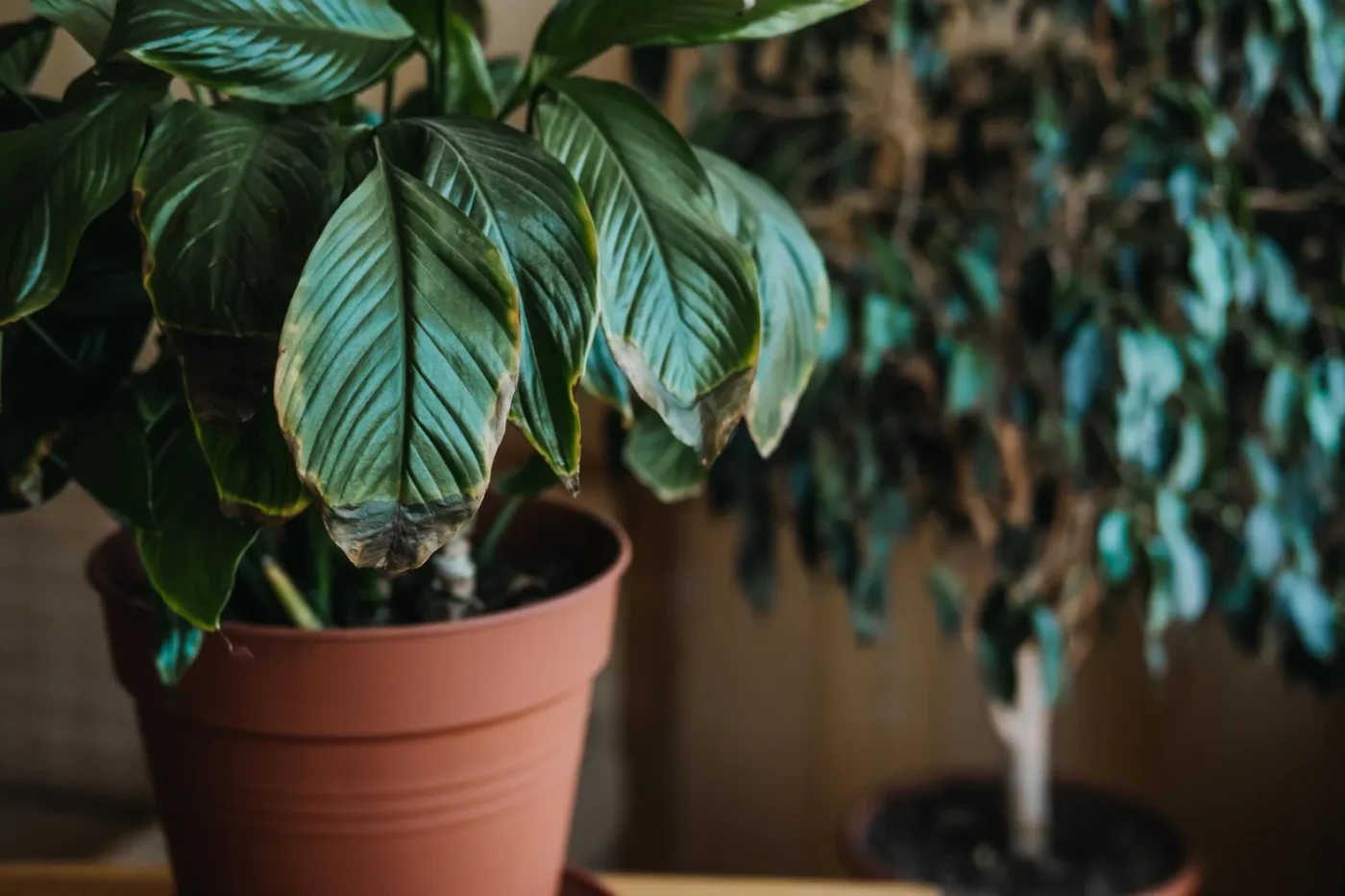
Close-up of parched soil and a suffering houseplant requiring immediate intervention.
Leaves drop, growth halts, and the stressed plant becomes a prime target for pests and diseases.
“Underwatering can compromise the roots and may even kill them,” says Lisa Eldred Steinkopf, author of Houseplants and founder of the Houseplant Guru. She warns that dead roots simply cannot process moisture. “If you have a wilted plant and you water it, but the roots aren’t working, it will never recover.”
High-Risk Houseplants
Not all plants handle drought equally. Humidity-adapted and thin-leaved varieties require consistently moist soil to survive.
Steinkopf notes that calatheas, prayer plants, and African violets rarely bounce back from total dehydration. Ferns are especially vulnerable and should never be allowed to dry out completely.
To keep her ferns alive and buy herself extra time between waterings, Steinkopf utilizes a wick watering system to provide a steady supply of moisture.
Identifying the Red Flags
Dehydration usually presents with obvious visual cues. The plant will dramatically droop or wilt as its cellular pressure drops.
Crispy, discolored leaves indicating a severe lack of root moisture.
“You’ll notice that the leaves themselves become dry and crispy, plant growth slows down, and they might drop some of their leaves,” says Samantha Adler, owner of Houseplant Concierge.
Color changes are another major indicator. Certain thirsty ferns will shift from a vibrant, opaque hue to a sickly, translucent green when they are starved for water.
The Rescue Protocol
When faced with a dehydrated plant, the human instinct is to drown it in water. Experts say this is the worst possible reaction.
Flooding a compromised root system overwhelms the plant. It leaves the roots unable to process the sudden influx of moisture, leading directly to fungal infections, root rot, and death.
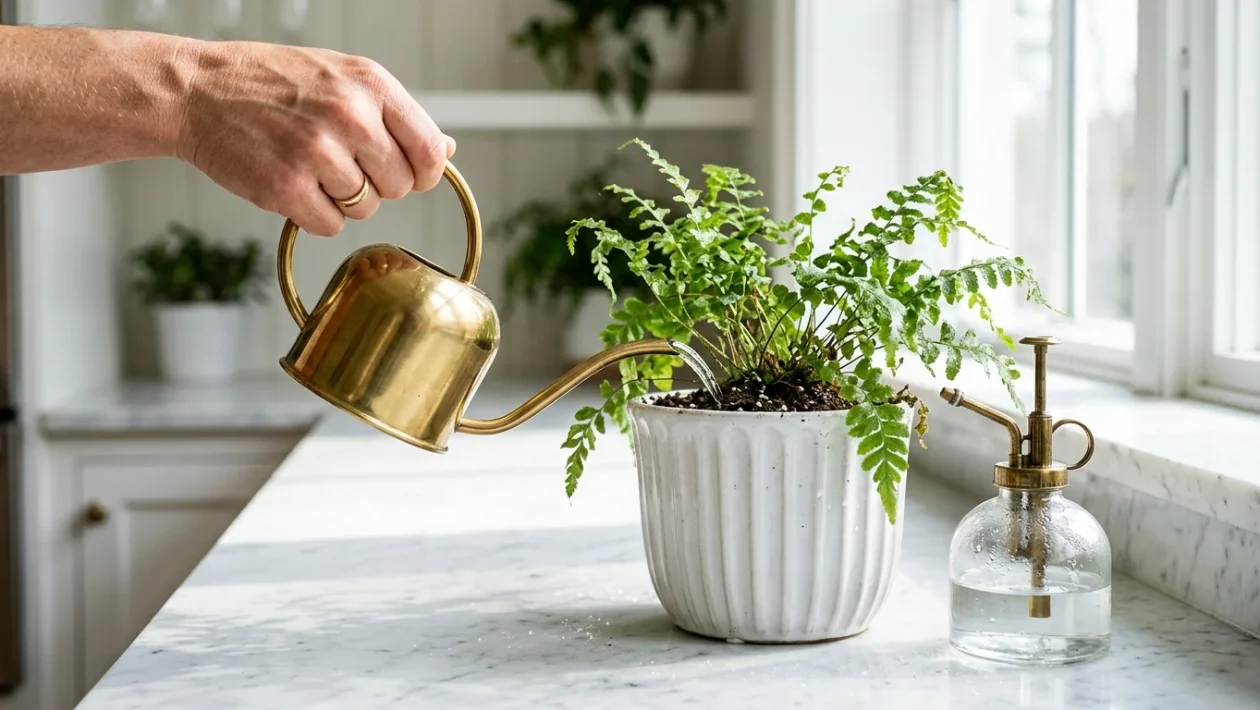
Adler advises reintroducing moisture carefully. “Water them only as much as you have watered them in the past, and then set yourself a reminder to do it again in another week or 10 days,” she says.
Dealing With Hydrophobic Soil
If the potting mix has pulled away from the edges of the container, the soil has likely become hydrophobic. Pouring water over the top will simply cause it to pool or run down the sides without ever reaching the root ball.
A houseplant soaking up moisture from a basin via the bottom watering method.
In these cases, Steinkopf recommends bottom watering. Place the pot in a basin of water and allow the soil to soak moisture upward until fully saturated, then drain the excess.
If the soil remains bone-dry and refuses to absorb anything, drastic measures are required. “Soil that has truly dried out might have a really hard time absorbing water,” says Adler. “You might need to do a quick change.”
Establishing a Better Routine
To prevent future crises, abandon strict watering schedules in favor of physical soil checks.
Steinkopf advises assessing your plants at least once a week. “If you have a plant that’s rootbound or needs a bigger pot, you may need to check it more often,” she notes.
Adler relies on the classic finger test, checking the top layer of dirt every few days to gauge moisture levels. Once you understand a specific plant’s dry-out rate, she suggests setting a 10-day calendar reminder.
For those prone to forgetting entirely, self-watering systems and terracotta spikes offer a reliable fail-safe to maintain consistent soil hydration.