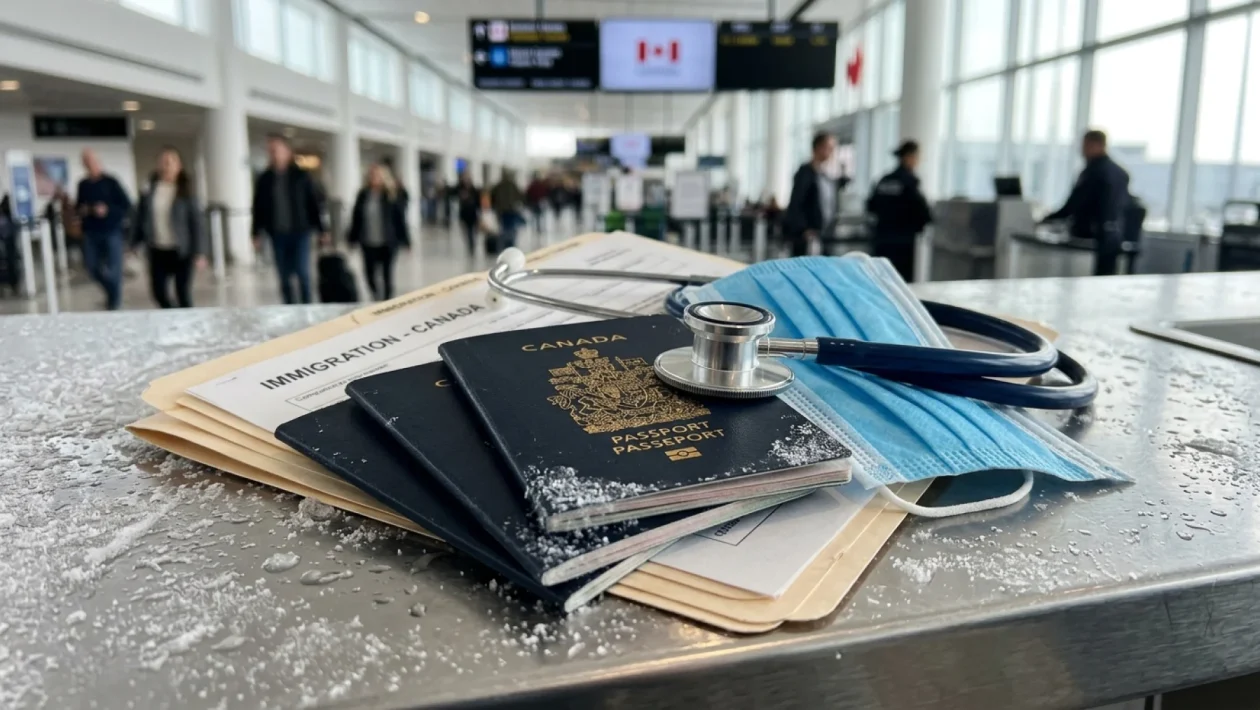
Over 24,000 people just hit a massive, unexpected roadblock trying to get into Canada. The federal government is quietly slamming the brakes on thousands of immigration documents due to a sudden, severe Ebola outbreak in Central Africa. If you, a family member, or a specialized worker you’re trying to hire is caught in this bureaucratic holding pattern, you need to understand exactly what is happening behind the scenes.
We are looking at severe health screenings that are fundamentally rewriting how rapid visas and work permits are handled this May. Ebola border measures are no joke, and officials aren’t taking any chances with public safety. Let’s roll up our sleeves, cut through the government jargon, and figure out how to protect your immigration status.
Ebola Border Measures: The Immediate Threat to Global Travel
The situation overseas escalated rapidly, forcing Ottawa to act defensively. When an infectious disease with such a high transmission risk flares up, standard travel protocols get thrown out the window. Canadian border security is now focused entirely on strict containment and screening.
In fact, historically, rapid global mobility drops significantly during these health scares. We saw a massive 40% plunge in targeted regional travel during similar outbreaks over the last decade, proving that safety absolutely overrides schedule. Major carriers like Air Canada are already working closely with federal health authorities to overhaul their passenger screening manifests.
This isn’t about permanent bans; it is about buying time. Public health officials are implementing these Ebola border measures strictly to build a defensive buffer while they assess the genuine risk to Canadians at home.
Why 24,000+ Canadian Immigration Documents Are Caught in the Crossfire
You might be wondering how a health crisis thousands of miles away affects a simple paperwork application. The reality is that immigration isn’t just stamping a passport; it involves strict medical clearances. Right now, those specialized medical clinics abroad are utterly overwhelmed.
Because the Canadian government requires rigorous medical exams for long-term visas, the entire pipeline is clogged. Over 24,000 applications have been flagged for suspension simply because the regional health infrastructure cannot safely verify the medical status of applicants.
“We are looking at a logistical nightmare for applicants. The system automatically pauses processing when a regional health alert is triggered, meaning your file sits in a dark room until the WHO gives the all-clear,” says David Chen, a senior Canadian immigration consultant.
It is frustrating, especially if you have spent thousands of dollars getting your file ready. But knowing why the machinery stopped is the very first step to figuring out your next move.
Navigating the “On Ice” Phase: What Happens Next for Applicants
If your document is caught in this massive suspension net, sitting around hitting refresh on the IRCC portal isn’t going to help. You need a proactive strategy to ensure your file doesn’t get outright cancelled while it sits on ice.
Here is exactly how to handle a suspended immigration file right now:
- Check your IRCC account immediately for any specific regional health flags or automated requests for secondary medical exams.
- Contact your local embassy or consulate to confirm if your specific visa class is under a hard pause or just experiencing standard processing delays.
- Secure your current documents (like police checks or biometrics) and ensure they won’t expire during this holding period. Request extensions now.
- Monitor official travel advisories daily, as restrictions are often lifted in targeted phases, not all at once.
To give you a clearer picture of what to expect, here is a quick breakdown of how different application types are currently being handled this spring:
| Document Type | Current Status (May 2026) |
|---|---|
| Tourist & Short-Term Visas (Affected Regions) | Fully Suspended / On Hold |
| Permanent Residency (Pre-Medical Clearance) | Paused until further notice |
| Essential Medical/Diplomatic Entry | Case-by-case priority processing |
| Family Reunification | Delayed, requiring secondary screening |
Keep your phone handy. You might have to spend an afternoon on the line with Bell or your local telecom provider racking up long-distance minutes to embassies, but staying informed is your best defense against having your application dropped entirely.
Frequently Asked Questions
Will I lose my application fee if my document is suspended?
Generally, no. A suspension is a temporary administrative pause, not a rejection. Your fee remains attached to your file, but you will not get a refund just because the processing time has been extended due to international health mandates.
How long do these health-related immigration suspensions usually last?
It is highly variable. Previous outbreak-related suspensions have lasted anywhere from 60 days to six months. It completely depends on the containment of the virus and the safe resumption of normal operations at overseas medical screening facilities.
Can I bypass the suspension if I am already in a different country?
If you have legally resided outside the affected outbreak zones for a specified incubation period (usually 21 to 30 days) and can prove it with travel records, your application might be eligible for un-suspension. You must contact immigration authorities directly to update your residential status on file.
Wrapping It Up
🤝 Look, navigating immigration is stressful enough without a global health crisis throwing a wrench into your plans. But knowing exactly how these safety protocols work puts you miles ahead of the panicked masses.
💡 Stay proactive and keep your documents organized. Check those expiry dates on your biometrics and background checks, because the second those gates reopen, you want your file at the top of the pile.
📱 Good luck, and stay vigilant! If you found this breakdown helpful, bookmark this page for updates or share your thoughts and experiences in the comments if your application is currently stuck in the system.
👇 Don’t let the paperwork beat you. Keep pushing, keep calling, and let’s get those files moving again!