When the pavement starts radiating heat like a pizza oven, a shaded porch and a lukewarm bowl of tap water just are not going to cut it. Dogs do not sweat like we do, and relying solely on panting to drop their body temperature is a dangerous game. If you are not proactive, you are rolling the dice with your best buddy’s life.
With May 2026 already smashing temperature records across North America, it is time to upgrade your game plan. I am going to walk you through exactly how to drop your dog’s core temperature fast, the gear that genuinely works, and the warning signs you cannot afford to ignore this season.
Dog Cooling Strategies That Actually Work
Forget the gimmicks you see on late-night infomercials. True dog cooling strategies rely on basic thermodynamics and smart hydration.
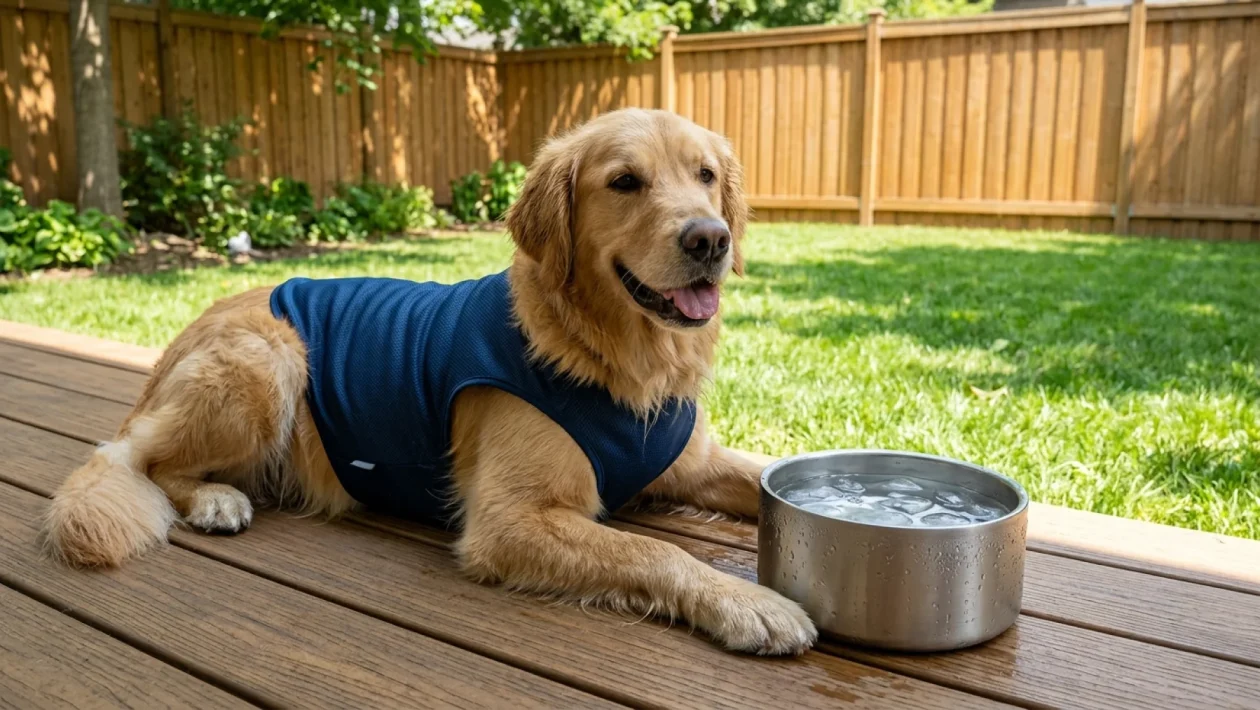
First, ditch the cheap plastic water dishes that turn into hot tubs by noon. Investing in a heavy-duty, double-walled stainless steel bowl—like the Yeti Boomer—keeps their drinking water refreshingly cold for hours, even in direct sunlight.
Next, you need to understand the difference between active and passive cooling gear. Depending on your lifestyle, you will want to choose the right tool for the job to keep your hound comfortable.
| Cooling Tool | Best Use Case |
|---|---|
| Pressure-Activated Gel Mats | Perfect for home use, crates, and post-walk recovery indoors. |
| Evaporative Vests (e.g., Ruffwear Swamp Cooler) | Ideal for active outdoor walks in dry heat; requires re-wetting. |
The Vet-Approved Blueprint For Safe Summer Walks
A lot of well-meaning owners accidentally roast their dog’s paws just walking down the block. Here is a brutal fact: when the air temperature is a mild 77°F, asphalt can reach a blistering 125°F.
At that temperature, a dog can suffer third-degree burns on their paw pads in just 60 seconds. You need a rock-solid routine to prevent injury.
Follow this simple blueprint before you ever clip on the leash:
- Place the back of your bare hand firmly against the pavement for seven full seconds.
- If you have to pull your hand away because it burns, it is too hot for your dog’s paws.
- Shift your daily walking schedule to dawn or late dusk when the UV index bottoms out.
- Stick exclusively to grassy trails or shaded dirt paths during peak afternoon hours.
How To Prevent Canine Heatstroke Before It Starts
Heatstroke isn’t just uncomfortable; it is a rapid, catastrophic breakdown of your dog’s internal organs. Prevention is always cheaper and less heartbreaking than an emergency vet visit.
“Dogs primarily cool themselves by panting and through the sweat glands in their paw pads. When humidity spikes, panting loses its evaporative cooling effect, sending their core temperature into the red zone within minutes.” — Dr. Sarah Jeffries, Emergency Veterinarian
If you notice excessive drooling, glazed eyes, or a tongue that looks unusually dark red or purple, you need to act immediately. Here is the emergency protocol to safely bring their temperature down:
- Move the dog to an air-conditioned room or deep shade immediately.
- Drape towels soaked in cool (not ice-cold) water over their neck, armpits, and groin.
- Offer cool drinking water, but do not force them to gulp it down if they are panicked.
- Position a fan to blow directly on the wet towels to trigger evaporative cooling.
- Call your local emergency vet clinic while you are actively cooling them down.
Frequently Asked Questions About Dog Heat Safety
Is ice water safe for dogs?
Yes, but with a caveat. While a few ice cubes in their bowl is a great treat, forcing a severely overheated dog to chug freezing water can shock their system. Stick to cool tap water during emergencies.
Do long-haired dogs need a summer shave?
Absolutely not! Double-coated breeds like Huskies or Golden Retrievers actually use their undercoat as insulation against the heat. Shaving them removes this natural barrier and exposes their skin to severe sunburns.
How long does it take for a dog to overheat?
On a hot, humid day, a highly active dog can enter the early stages of heatstroke in less than 15 minutes. Always let your dog set the pace and never force them to run in the summer heat.
Wrap Up and Next Steps
🤝 Good luck out there this season, folks. Keeping your four-legged buddy safe doesn’t require a master’s degree, just a bit of common sense and the right preparation.
💡 Remember to test that pavement, upgrade your water bowls, and listen to what your dog’s body language is telling you. They trust us to make the smart call when the sun is beating down.
📱 If you found this guide helpful, share your thoughts with us on social media or send this to a fellow dog owner who needs to read it.
👇 Drop a comment below with your favorite way to spoil your pup on a hot afternoon!