Hey there, it is great to have you here. I have spent the last few weeks digging into the data and talking to hard-working folks from coast to coast to bring you the straight goods on our economy. The bottom line is this: **Canadian inflation fatigue** in May 2026 has reached a breaking point because while the “rate” of inflation has stabilized, the actual “price level” remains at a record high. To survive this, you need to pivot from waiting for price drops to actively optimizing your cash flow through strategic “substitution” and “subscription pruning.”
The Science of the Squeeze: Why Fatigue Sets In
When we talk about **Canadian inflation fatigue**, we are discussing a psychological and economic phenomenon where the consumer’s ability to “absorb” price shocks is exhausted. Even if **Statistics Canada** reports a modest 2% year-over-year increase this spring, that is 2% on top of the massive 20% cumulative surge we saw between 2021 and 2025. This is the “compounding effect” of debt and cost. Physically and mentally, your brain is wired to seek stability; when every trip to **Sobeys** or **Metro** results in a higher bill for the same basket of goods, your stress hormones—specifically cortisol—remain elevated, leading to what economists call “spending paralysis.”
Furthermore, the “lag effect” is currently hitting us hard. While the **Bank of Canada** may have adjusted interest rates, the renewal of five-year mortgages in 2026 is forcing many households to prioritize housing costs over everything else. This creates a “crowding out” effect where there is simply no room left for discretionary spending at brands like **Canadian Tire** or **Hudson’s Bay**.
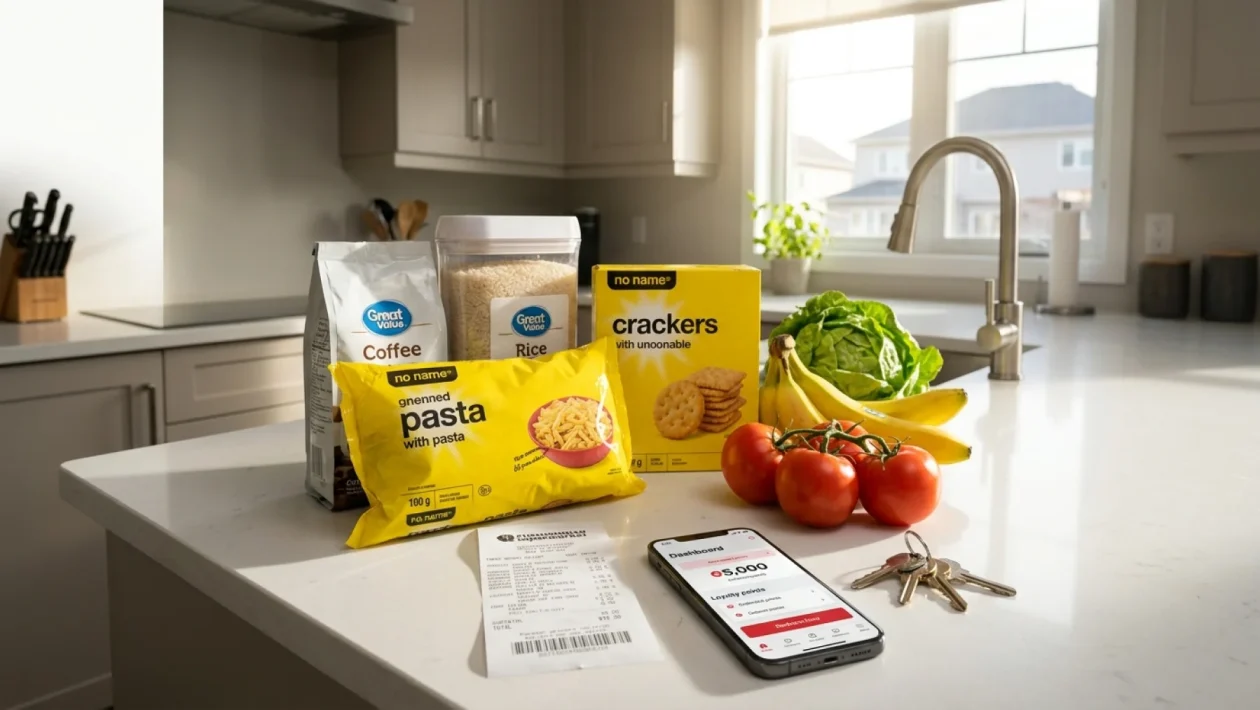
Recent data from the **Royal Bank of Canada (RBC)** suggests that nearly 60% of households are now opting for “private label” or “generic” brands like **No Name** or **Great Value** just to keep the pantry full. We aren’t just looking for deals anymore; we are fundamentally changing our identity as consumers to mitigate the impact of **Canadian inflation fatigue**.
“The challenge in 2026 isn’t the sudden spikes we saw years ago, but the ‘permanent plateau’ of high prices that has exhausted the average Canadian’s emergency savings.” — Senior Economic Analyst, Global News.
The Survival Blueprint: How to Beat the 2026 Crunch
If you want to protect your family’s bottom line this May, you need a tactical approach. Follow these steps to regain control over your finances:
- Execute a “Subscription Audit”: Open your banking app and look for recurring payments. In 2026, many services have moved to “stealth increases.” Cancel anything you haven’t used in the last 30 days.
- Leverage Ecosystem Loyalty: Stop spreading your spending. Pick one ecosystem, like **PC Optimum** or **Scene+**, and funnel all necessary purchases through it to maximize the “return on spend.”
- Switch to “Velocity Budgeting”: Instead of a monthly budget, move to a weekly cash-allocation model. This helps you spot price increases at the pump or the checkout line in real-time before they blow your month.
- Shop the Perimeter and Bulk: Stick to the outer aisles of the grocery store for staples and use **Costco** for bulk non-perishables. Avoid the “convenience tax” of pre-packaged goods which carry the highest margins.
- Negotiate Your Fixed Costs: Call your telecom provider (like **Rogers** or **Bell**) and mention “loyalty retention.” In a high-fatigue market, these companies are more desperate than ever to keep subscribers.
| Budget Category | 2026 Fatigue Strategy |
|---|---|
| Groceries | Switch to 80% store-brand items. |
| Transportation | Use apps like GasBuddy to find local lows. |
| Housing | Maximize lump-sum mortgage payments if possible. |
| Utilities | Install smart thermostats to cut HVAC costs by 15%. |
“We are seeing a structural shift in Canadian spending habits that hasn’t been witnessed since the late 1970s. Resilience is the new currency.” — Financial Report, CBC News.
Frequently Asked Questions
Is inflation finally going down in Canada?
Technically, the “rate” of inflation has cooled significantly compared to the post-pandemic peak. However, prices are not “falling”—they are just rising more slowly. This is why **Canadian inflation fatigue** feels so real; your cost of living is still much higher than it was a few years ago.
What are the best stores to save money at in 2026?
Discount retailers like **Dollarama**, **Giant Tiger**, and **No Frills** are the clear winners in May 2026. These stores have optimized their supply chains to provide the most “bang for your buck” as consumers move away from premium retailers.
Should I use my credit card for daily purchases?
Only if you can pay the balance in full every single month. With interest rates still being a factor, “carrying a balance” is the fastest way to worsen your personal experience with **Canadian inflation fatigue**.
🤝 I really appreciate you taking the time to get informed today. It isn’t easy out there, but with a few smart moves, you can keep your head well above water.
💡 Remember, being proactive is the best defense against **Canadian inflation fatigue**. Take a look at your bank statement tonight and see where you can trim the fat.
📱 If you found these tips helpful, please feel free to **share on Facebook** or send this to a buddy who might be feeling the squeeze. We are all in this together!
👇 Stay tuned for more **exciting articles** on how to master your money and your lifestyle. **Good luck** out there, and I will see you in the next update!