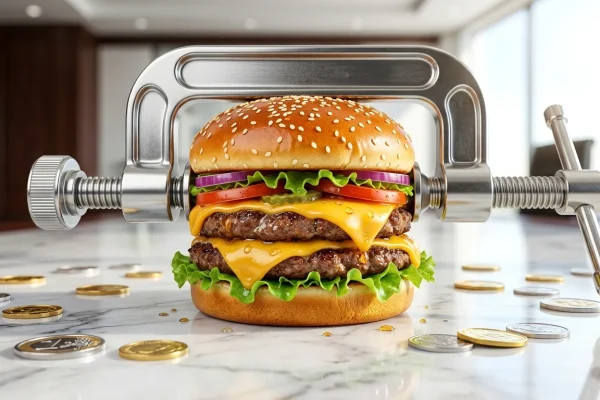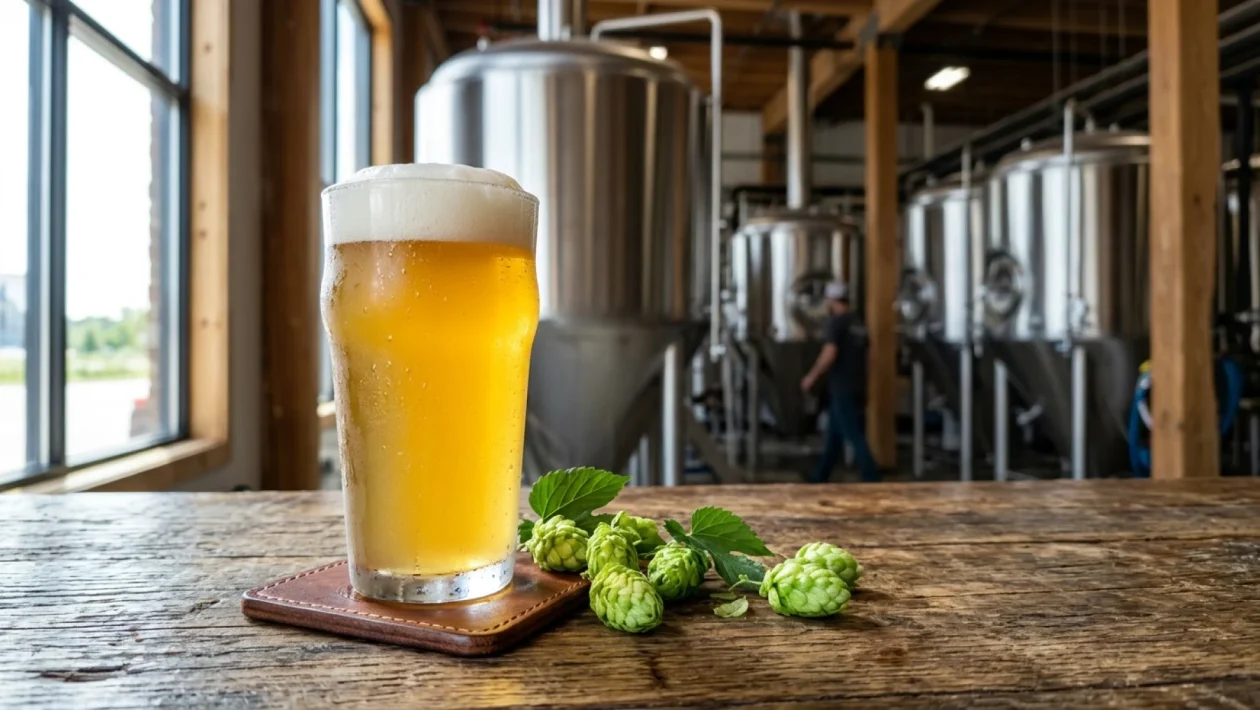
Grab a cold one and listen up, because the price of your Friday night pint just dodged a massive bullet. For the last few years, local taprooms have been hanging by a thread, squeezed between skyrocketing supply costs and punishing federal excise duties. But thanks to a relentless lobbying push by the folks actually brewing your favorite lagers and stouts, Ottawa just slammed the brakes on a tax hike that would have devastated the industry. The ultimate solution? A fresh, two-year extension of alcohol duty relief that keeps the beer flowing and the lights on.
Brewery Tax Relief
If you’ve ever looked at a receipt from your local liquor store and winced, you already know that alcohol in Canada is heavily taxed. The federal excise duty is a hidden cost baked right into the wholesale price of every keg and can. Without intervention, that tax automatically jumps every single year based on inflation.
The recently announced Brewery Tax Relief extension officially caps that annual inflation tax increase at a manageable 2 percent. Even better, the excise duty rate is slashed completely in half for the first 15,000 hectolitres of beer brewed right here in Canada. That is a massive break for the small-batch producers pouring their sweat equity into the vats.
| Financial Metric | The Impact on Small Brewers |
|---|---|
| Annual Tax Increase | Capped at exactly 2% (instead of wild inflation matching). |
| Production Break | 50% duty rate cut on the first 15,000 hectolitres brewed. |
How Canadian Craft Beer
This massive win didn’t just fall out of the sky. The Canadian Craft Brewers Association had to fight tooth and nail to make Ottawa listen. When you look at local heavyweights like Rebellion Brewing or District Brewing Co. in Regina, you’re looking at business owners who traded their brewing boots for lobbying suits.
They recognized that simply complaining about the cost of doing business wasn’t going to cut it. They needed a concrete, undeniable game plan to prove their worth to the federal government. Here is exactly how the industry secured this crucial lifeline:
- Unifying the Industry: Small brewers from coast to coast joined forces under one national association to ensure their voices weren’t drowned out.
- Following the Data: They commissioned a hard-hitting economic study by MNP to prove their case with undeniable numbers.
- Hitting the Pavement: Industry leaders traveled to Ottawa in 2022 and 2024, followed by a strategic lobbying trip to Winnipeg in the spring of 2026 to corner MPs directly.
Is Dodging A Financial Hangover
The reality is that Canadian craft beer has been losing its fizz lately. Consumers are tightening their belts, sales have slowed down, and more breweries have been going bust. The extended relief isn’t about buying sports cars for brewery owners; it’s about pure survival.
“We would like to move into a position where we are thriving, but I think we’re still just doing a lot of surviving. It’s incredibly rewarding and validating to know that good hard work and putting together a solid case can still get you somewhere.”
That hard fact from the MNP study changed everything: cutting these taxes is actually revenue-neutral for the federal government. When small taprooms aren’t bleeding cash to the taxman, they reinvest every single dime directly into hiring local staff and upgrading their brewing equipment.
Until 2028
While popping the champagne—or cracking a premium stout—is absolutely justified right now, the clock is already ticking. This latest extension pushes the financial cliff back by exactly two years, securing the industry’s foundation until the spring of 2028.
Federal ministers recently toured facilities to celebrate this government re-commitment, acknowledging that small businesses need this balance to survive rising costs. However, brewers aren’t packing up their briefcases just yet. The next battle is turning this temporary patch into a permanent fix.
Frequently Asked Questions
Why does the government tax craft breweries so heavily?
Alcohol is subject to a federal excise duty, which is basically a “sin tax” applied at the manufacturing level. In Canada, this tax historically increased automatically with inflation every single April, which severely crippled small, independent brewers who couldn’t absorb the rapid cost spikes.
What exactly does 15,000 hectolitres look like?
A hectolitre is 100 litres. So, 15,000 hectolitres is equal to 1.5 million litres of beer. For the vast majority of local, independent craft breweries, this 50 percent tax cut covers their entire annual production output, giving them maximum relief.
Will this make my beer cheaper?
Don’t expect the price of a pint to plummet, but this relief prevents prices from skyrocketing further. By keeping operating costs predictable for the brewer, they don’t have to aggressively pass massive, inflation-adjusted tax hikes down to the consumer.
🤝 Good luck to all the local brewers out there grinding it out on the mash tuns to keep our coolers stocked with quality, independent beer.
💡 This two-year extension is a massive sigh of relief, but the fight for a permanent tax structure is the only way to ensure the industry thrives long past 2028.
📱 Next time you pull up to your neighborhood taproom, remember the behind-the-scenes hustle it took just to keep that pint affordable.
👇 Hit the comments below and share your thoughts on your favorite local brewery and what you think Ottawa should do next!