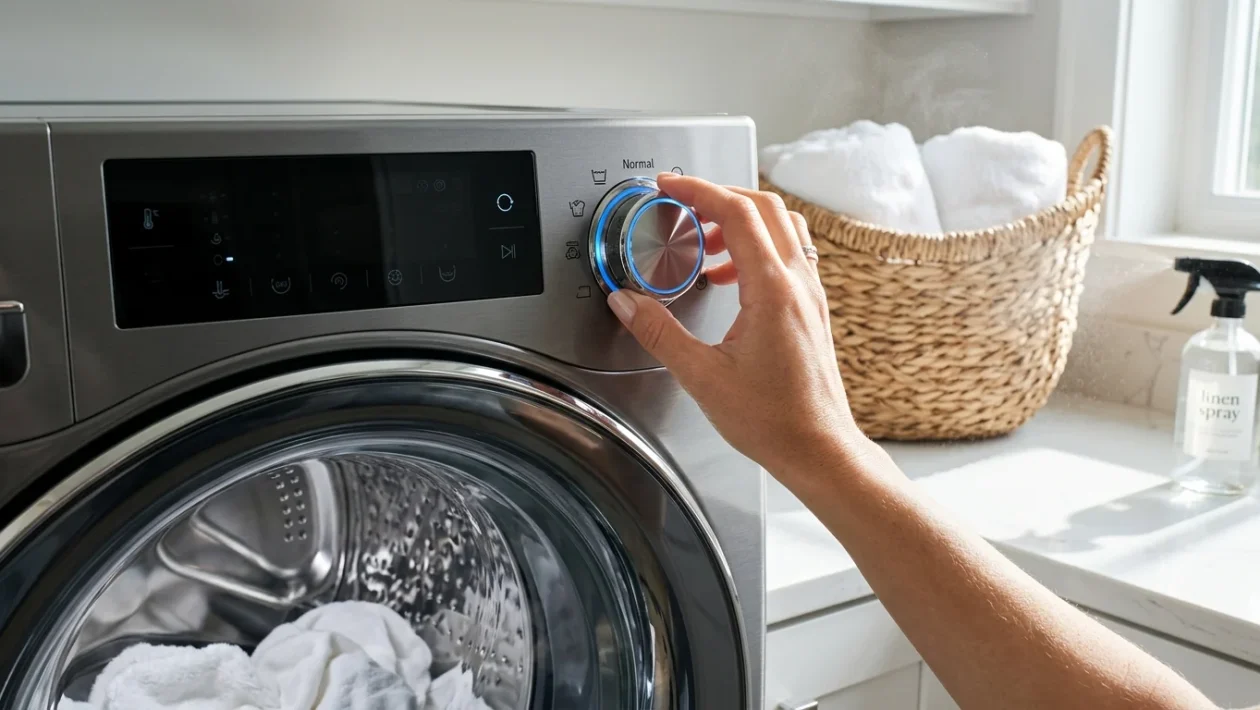
Front-loading washing machine in a modern laundry room
A front-loading washing machine in a modern home laundry setup.
The washing machine is an essential household appliance, designed with multiple programs to optimize water and energy use. Yet, one specific setting stands out as a massive waste of resources. I actively avoid it whenever possible.
While many users focus on interpreting laundry symbols or performing basic maintenance, a simple conversation with a repair technician changed my routine. He advised me to effectively ban the quick wash program from my home.
The Hidden Cost of Speed
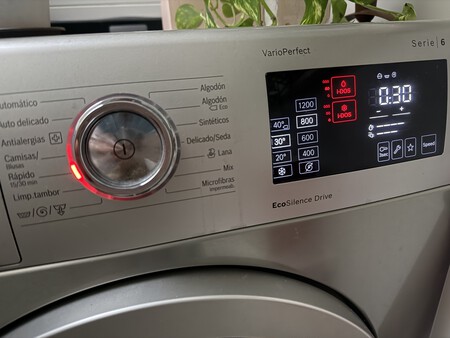
Digital display and control dial of a washing machine.
Most people assume heavy-duty cycles or synthetic programs consume the most energy. In reality, the quick wash setting is the true drain on your utility bill.
I used it constantly until a technician pointed out the flaw during a routine maintenance visit. The appeal is obvious: you get clean clothes in about 15 to 30 minutes, which is perfect when you are in a rush.
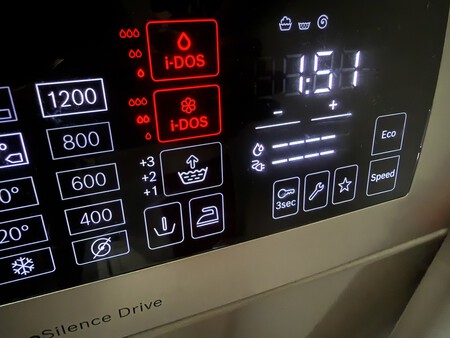
Close-up of a washing machine’s program selector dial.
However, this convenience comes at a steep price. The quick wash significantly spikes both water and electricity usage. Simply turning the dial to this setting reveals a noticeable jump in consumption on the machine’s display.
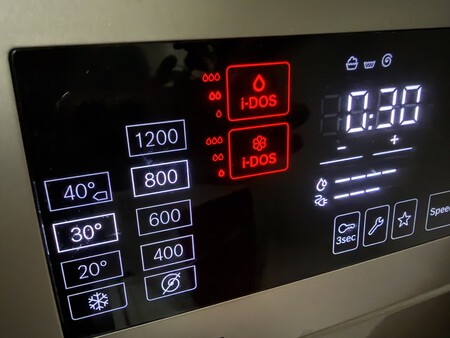
Illuminated control panel showing cycle settings.
To make matters worse, people usually run this cycle with a half-empty drum just to wash a few specific items. Furthermore, the quick wash program completely disables the machine’s ECO mode, making it an entirely inefficient process.
Why ECO Mode Wins
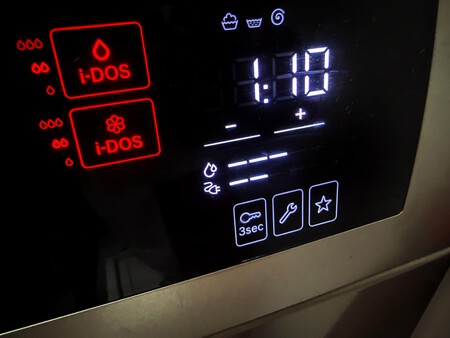
Digital screen displaying the remaining time for a wash cycle.
The ECO mode is specifically engineered to minimize water and electricity waste. It achieves this by washing at lower temperatures and using internal sensors to automatically adjust the water volume based on the load size.
To compensate for the lack of heat, the machine extends the cycle time. An ECO wash can take anywhere from an hour and a half to three hours, ensuring the clothes are thoroughly cleaned without forcing the heating element to work overtime.

A pile of clean laundry resting in a basket.
Conversely, the quick wash rushes the process, demanding maximum power to heat the water fast. Today, I reserve the quick wash strictly for absolute emergencies.
Even if clothes are only slightly dirty, I wait until the laundry basket is full to maximize the drum’s capacity and run a proper, efficient cycle.
Professional Tips to Lower Laundry Bills
- Choose long cycles (ECO): Extended programs operate at lower temperatures, saving both water and energy. This directly lowers your monthly utility bill.
- Maximize load capacity: Always fill the washing machine to its recommended limit. Running the machine for just a few items wastes resources.
- Measure your detergent: Adding extra soap does not result in cleaner clothes. It creates excess suds, forcing the motor to work harder and consuming more energy.