Americans are pushing back against highly processed ingredients, but they aren’t giving up their sweet tooth.
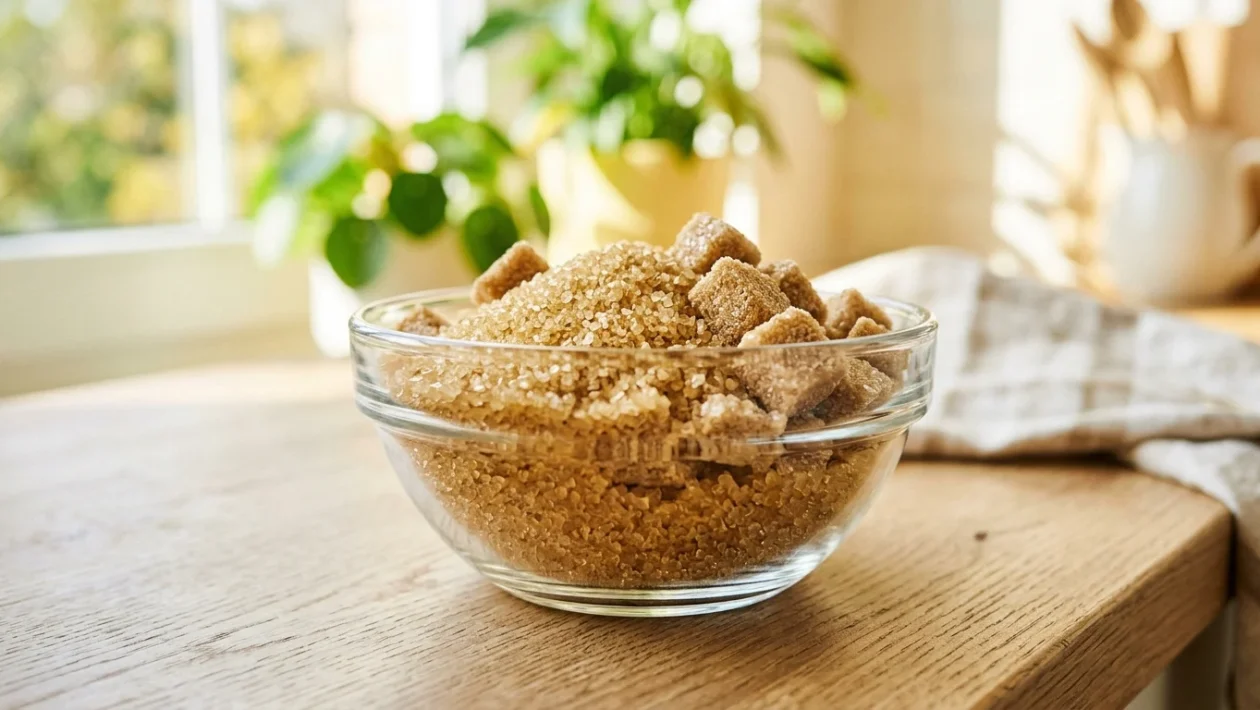
Instead of cutting out sweets entirely, consumers and food manufacturers are actively swapping high fructose corn syrup (HFCS) for traditional cane and beet sugar.
Shifting Sweetener Preferences
A recent report from U.S. rural lender CoBank reveals a distinct split in how the country consumes its sweeteners.
Relying on compiled data from the Department of Agriculture (USDA), the report indicates that demand for natural sugar remains heavily resilient despite widespread public health campaigns.
“Food manufacturers and consumers continue to favor natural sweeteners over more highly processed alternatives, as sugar and HFCS delivery trend lines make clear,” the CoBank report stated.
Wholesale grocers and food distributors are leading this shift, representing the sectors where traditional sugar demand grew the most.
The Numbers Behind the Trend
Cane and beet sugar demand in the U.S. climbed 0.6% during the first half of the 2025/26 marketing year, which began in October.
This modest increase perfectly mirrors the annual U.S. population growth rate, which stood at 0.5% in 2025.
In stark contrast, HFCS deliveries dropped by 3.5% over the exact same timeframe.
“While concerns about sugar consumption dominate headlines, rising USDA delivery data suggest demand for cane and beet sugar remains firmly intact,” the report noted.
Interestingly, public sentiment doesn’t exactly align with the purchasing data.
According to a 2025 survey by the International Food Information Council, three out of four U.S. consumers claim they want to limit or completely avoid sugar.
Future Threats to the Sugar Industry
While natural sugar is winning the current battle against synthetic syrups, the broader industry faces looming long-term challenges.
CoBank analysts identified the Make America Healthy Again (MAHA) movement and the skyrocketing popularity of GLP-1 weight-loss drugs as major risks to future consumption.
“Some projections suggest grocery basket sizes could decline by as much as 31% among active users,” the report detailed regarding the impact of GLP-1 medications.
“Sweetened foods and beverages are unlikely to be uniquely affected, but they will still face lower demand if consumers generally eat less.”