
Person walking briskly outdoors on a sunny trail to build endurance.
Walking is widely praised as the ultimate low-impact workout, but logging heavy mileage without a foundation of muscle strength is a fast track to joint pain.
Whenever you increase your step count, the muscles surrounding your joints must be strong enough to absorb the extra stress.
A person power walking briskly along a scenic outdoor path.
Rosie Borchert, a NASM-certified personal trainer at REP Fitness, warns against piling on mileage too quickly. She recommends easing into a new routine by adding just five minutes of walking per day and taking regular rest days.
To prepare your body for the pavement or the trails, Borchert designed a four-move, no-equipment routine. Perform these exercises two to three times a week to improve your gait and ward off injury.
4 Essential Strength Exercises for Walkers
1. The Step-Up
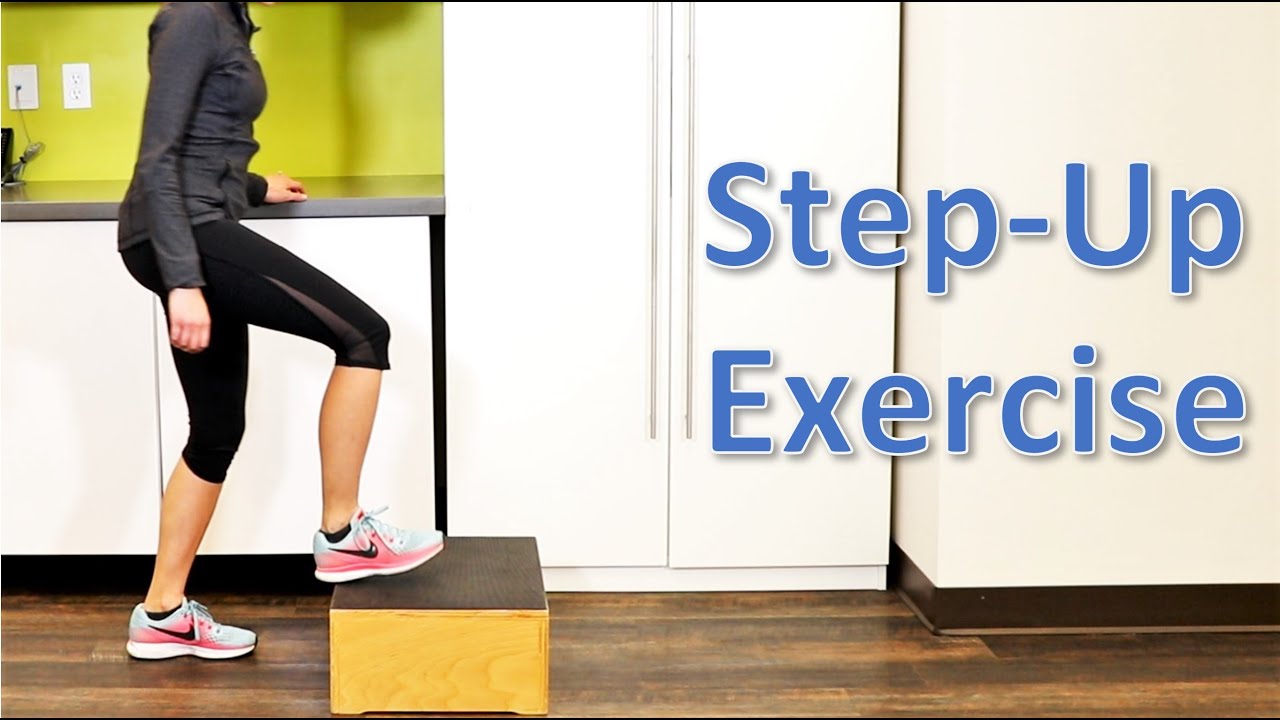
A physical therapist demonstrating a step-up exercise on a platform.
Sets: 3 | Reps: 10-15
Stand facing a sturdy box or step that sits between ankle and knee height. Place your right foot squarely on the box, push through your left foot, and bring both feet together at the top.
Lower yourself back down to the floor with complete control.
This move fires up your quads and glutes while engaging your core, calves, and hamstrings for stability. Borchert notes that step-ups build the specific functional strength needed for climbing stairs and navigating uneven terrain.
2. The Donkey Kick
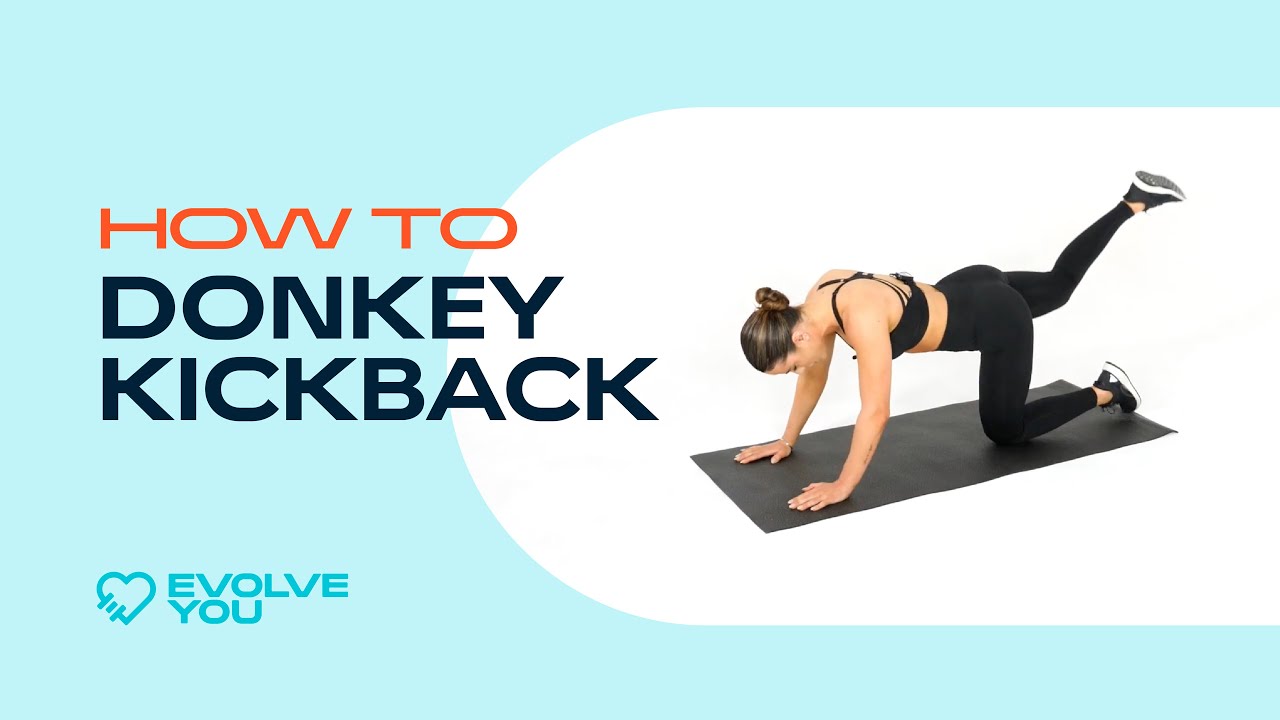
A fitness instructor demonstrating a donkey kick on a yoga mat.
Sets: 3 | Reps: 10-15 per side
Start on your hands and knees with your core braced. Lift your right foot backward until the sole faces the ceiling, keeping a strict 90-degree bend in the knee.
Squeeze your glute at the top of the movement, then lower your leg slowly.
“This is a move I use religiously to help wake up my glutes,” Borchert says. It heavily targets the gluteus maximus, while recruiting the gluteus medius, gluteus minimus, and hip flexors.
3. Standing Hip Abduction

A woman performing a standing hip abduction exercise while holding a chair for balance.
Sets: 3 | Reps: 10-15 per side
Stand tall with your feet together, using a chair or countertop on your left side for balance. Shift your weight to your left leg and slowly lift your right leg straight out to the side.
Keep your hips level and toes pointing forward, then lower the leg back to the starting position.
This exercise isolates the hip abductors. Strengthening these specific muscles stabilizes your pelvis and improves overall balance during your stride.
4. Calf Raise
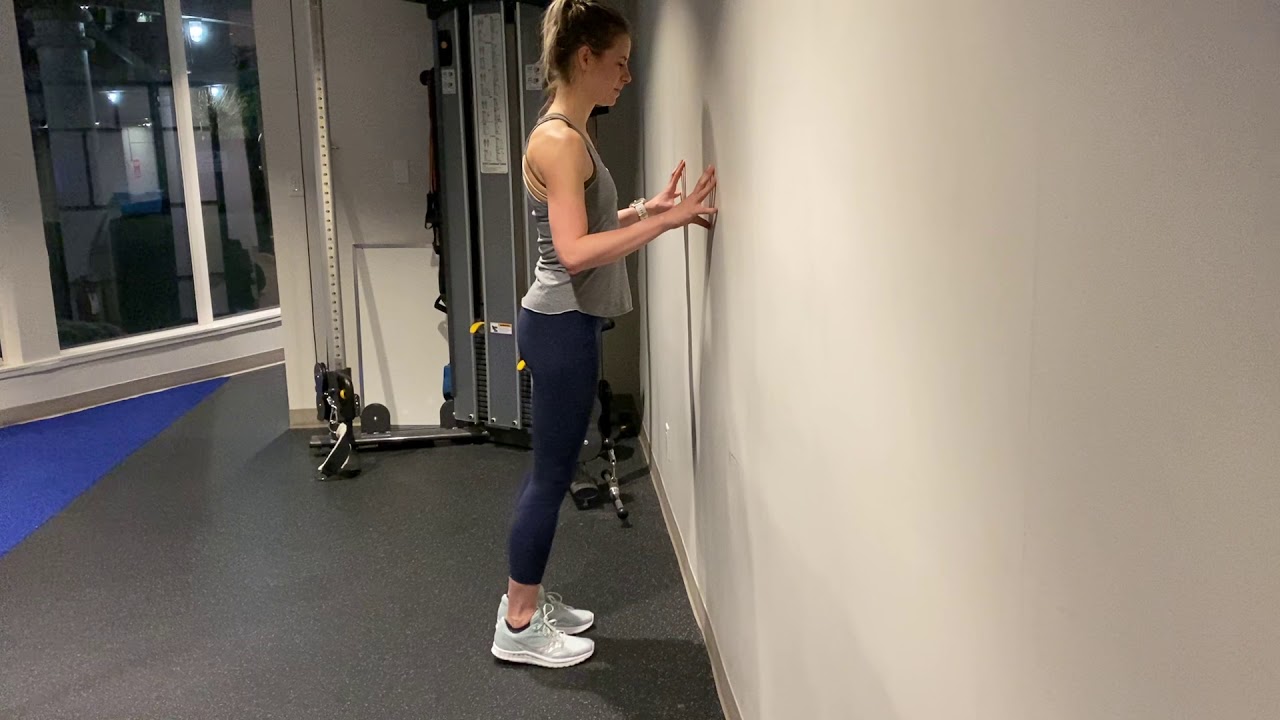
A person doing standing calf raises on a flat floor.
Sets: 3 | Reps: 10-15
Stand with your feet hip-width apart. Rise slowly onto the balls of your toes, pause at the top, and lower your heels back to the floor with control.
Every step you take is powered by your calves. Strong calves stabilize the ankles over rocky terrain and act as shock absorbers to protect your joints from heavy impacts.
Borchert suggests doing calf raises throughout the day whenever you find yourself waiting in line or standing in place.
Top Walking Shoe Upgrades
If you are ramping up your walking routine, upgrading your footwear is just as critical as building muscle. Here are top-rated options depending on your terrain.

A close-up of the Brooks Glycerin 22 walking shoes.
1. Brooks Glycerin 22 (Best Overall)
A premium, highly cushioned option designed for maximum comfort and durable mileage on long walks.

A close-up of the Columbia Konos TRS walking shoes on rocky ground.
2. Columbia Konos TRS (Best on a Budget)
A rugged, budget-friendly choice that delivers reliable traction and support for outdoor trail walking.

A close-up of the Saucony Hurricane 25 walking shoes.
3. Saucony Hurricane 25 (Best for Concrete)
Built with dense shock absorption to protect your knees and lower back during heavy neighborhood or city walking.