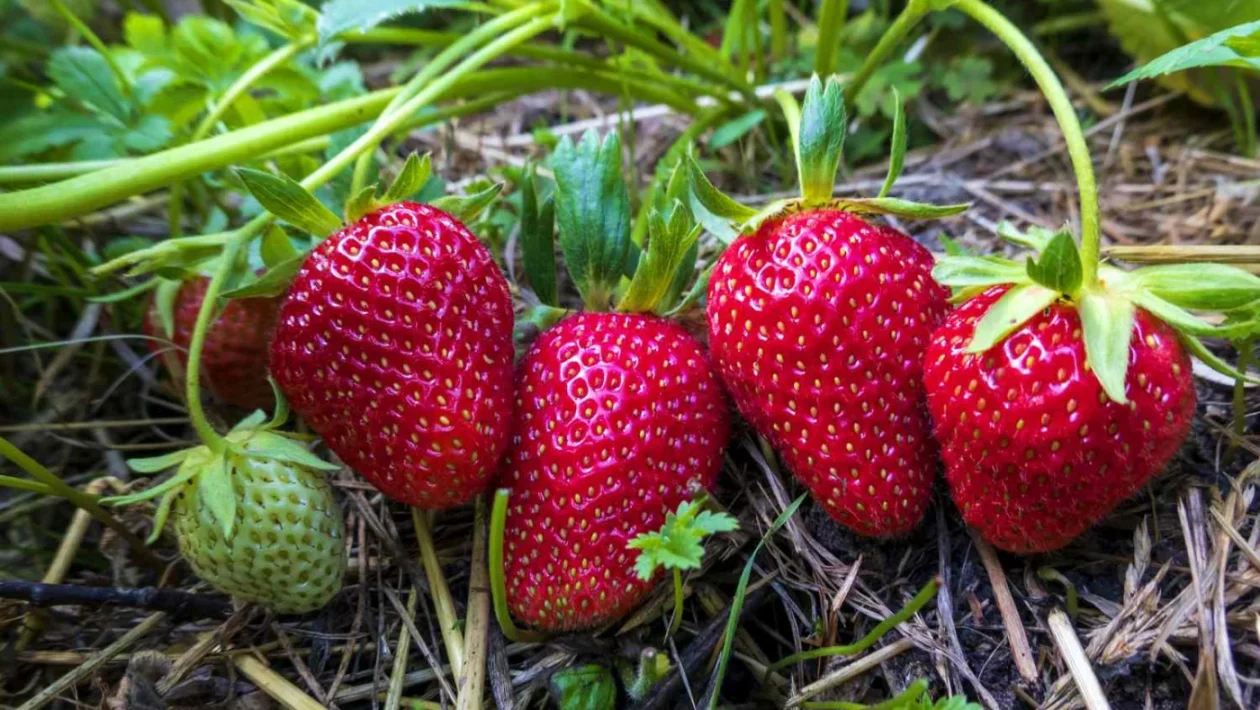
Protecting Your Strawberry Yield
Growing strawberry plants in a home garden is a constant battle against unpredictable late frosts, droughts, and excessive heat. While weather remains out of your control, garden placement does not.
Surrounding your crop with the wrong neighbors invites invasive pests, fungal diseases, and chemical warfare beneath the soil. To ensure a healthy harvest, keep your strawberry patch far away from these destructive companion plants.
Tomatoes
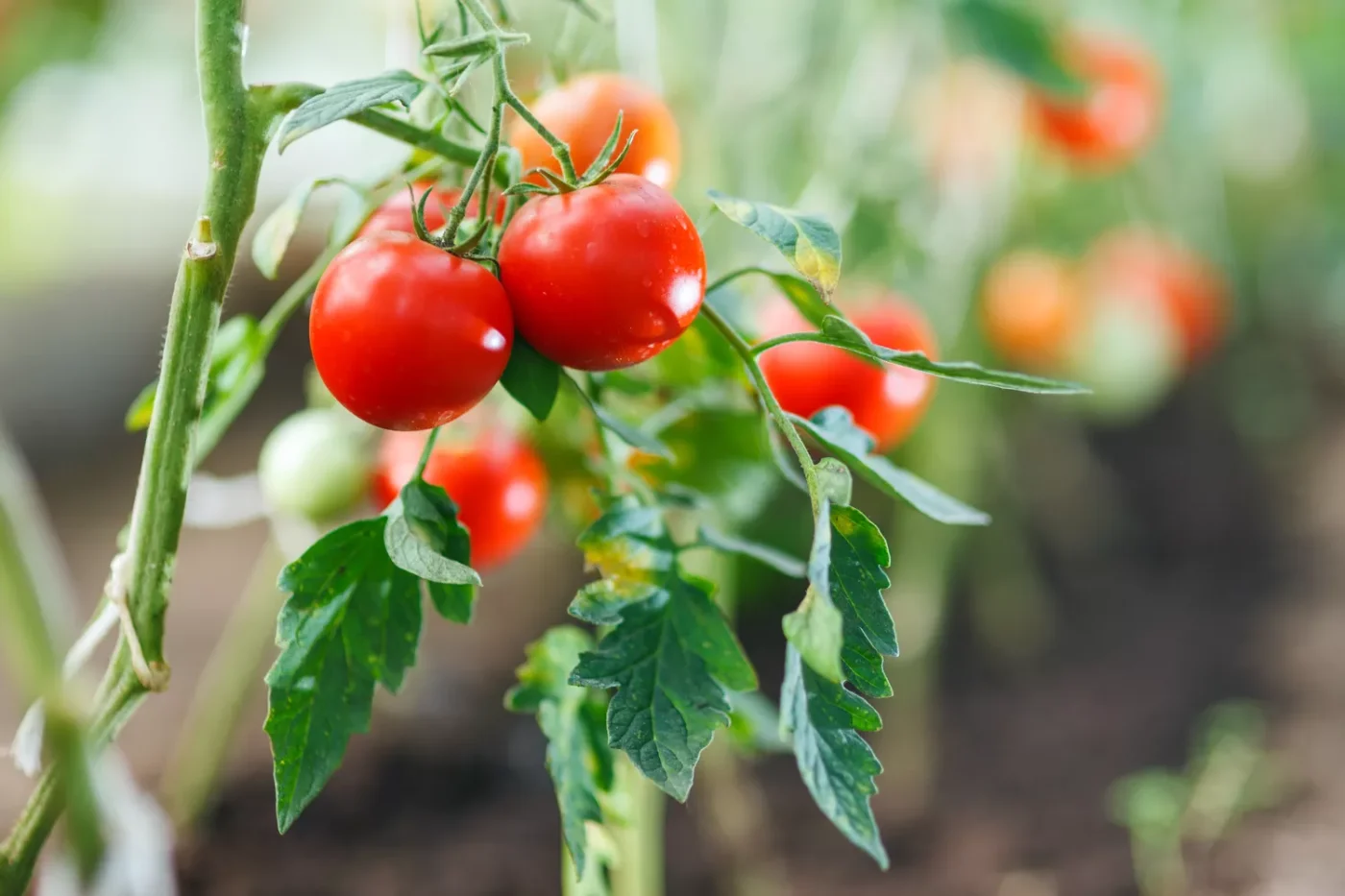
Tomatoes growing on a plant
Tomatoes are notorious carriers of Verticillium wilt, a devastating fungal disease that easily jumps to highly susceptible strawberries. Furthermore, tall tomato vines cast deep shadows, starving low-lying berry plants of crucial sunlight.
Gardeners must also avoid planting strawberries in beds where tomatoes grew the previous season. Fungal pathogens can survive in the soil long after the final tomato harvest.
Peppers
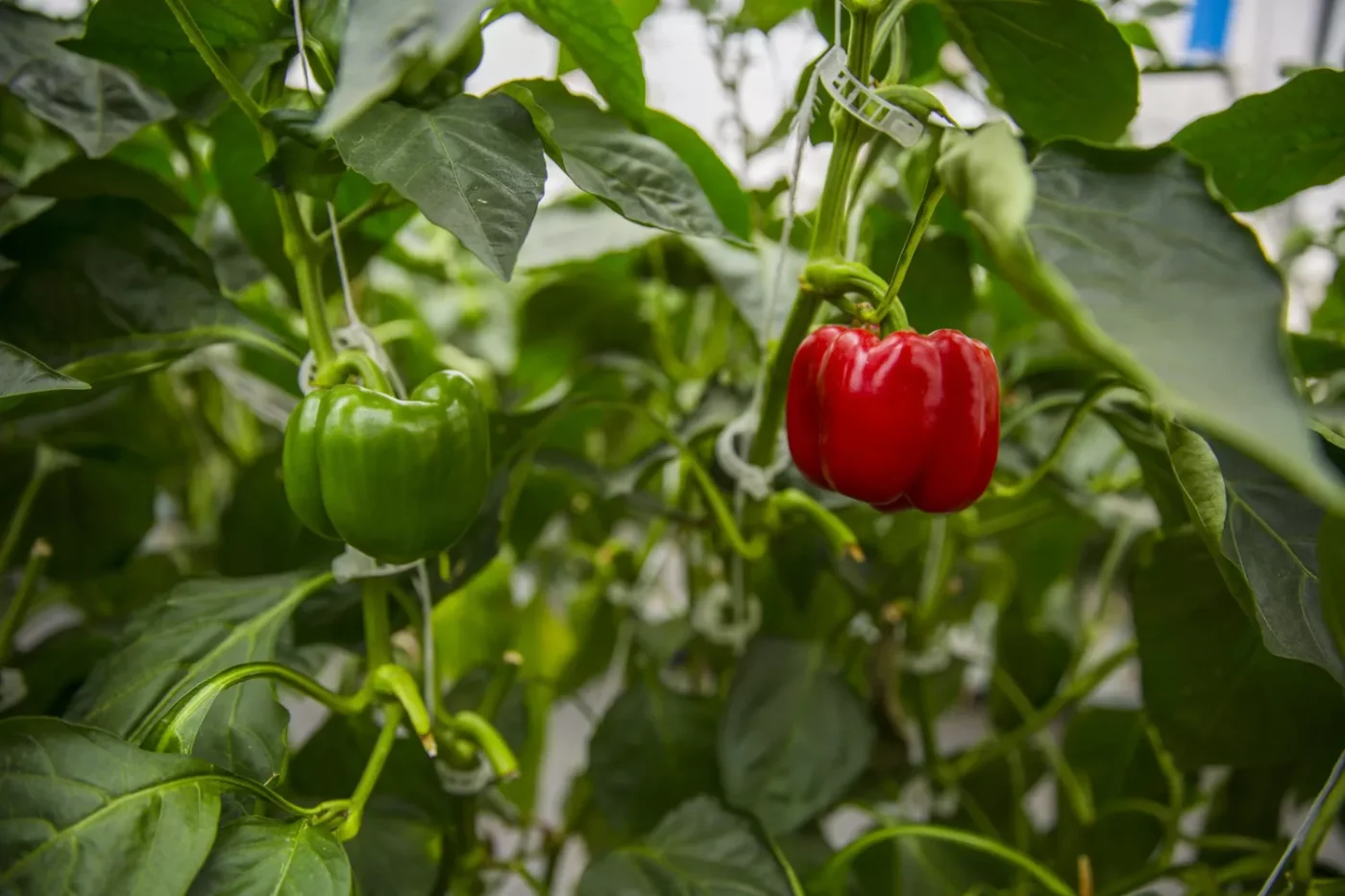
A pepper plant
Like tomatoes, peppers belong to the nightshade family and bring identical soil-borne disease risks to your strawberry patch. They are much better suited to share soil with basil, carrots, or marigolds.
A soil fungus that causes rapid wilt can linger for a full year after peppers are pulled. Always plant strawberries in fresh soil, keeping them far from last year’s pepper beds.
Potatoes
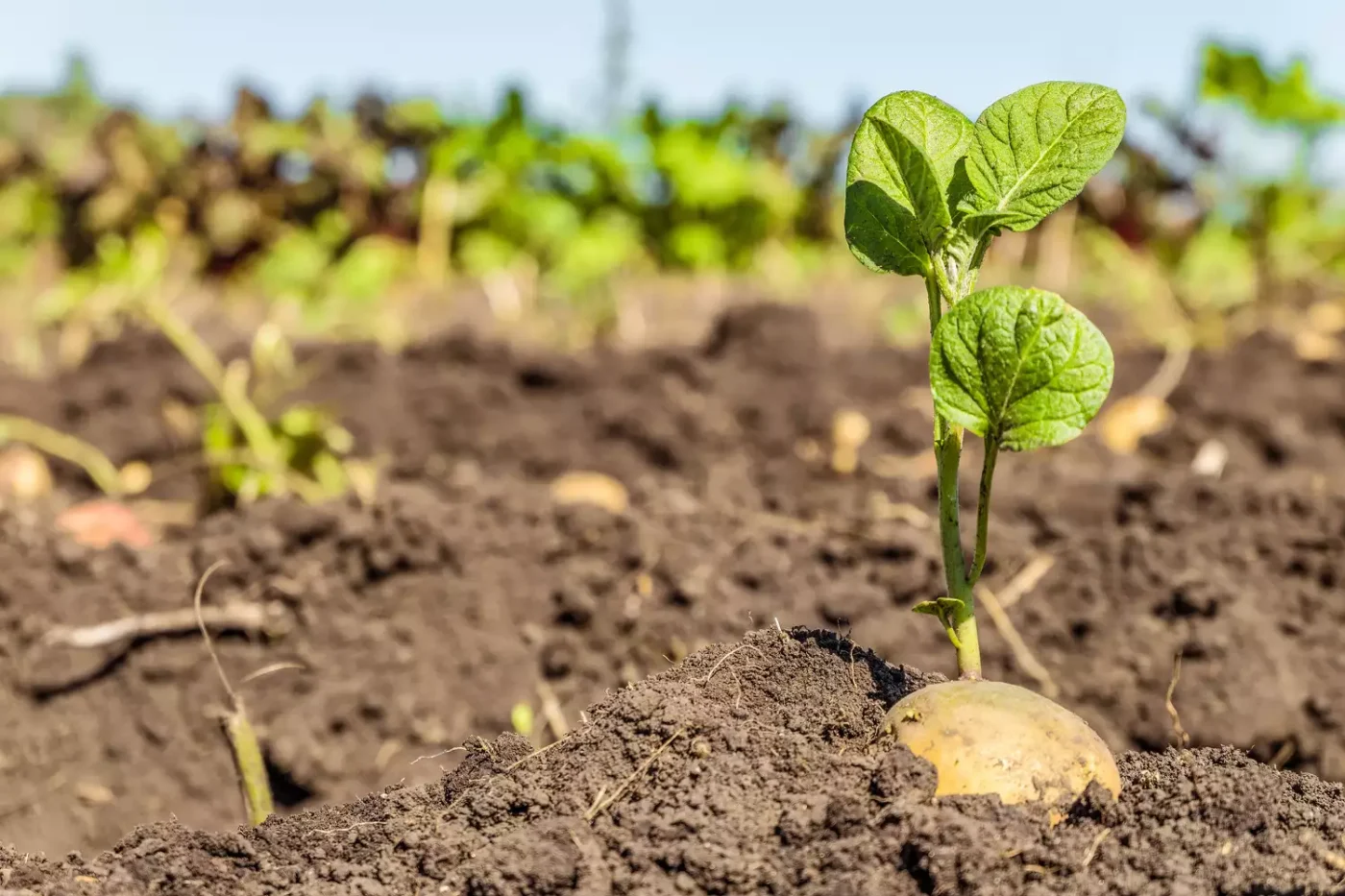
Potatoes in a garden
Potatoes compete fiercely with strawberries for both nutrients and water. Their bushy tops shade the ground, while the foliage attracts pests known to decimate berry crops.
Digging up mature potatoes easily damages the shallow root systems of nearby strawberries. Both crops are also highly vulnerable to the exact same list of garden diseases.
Sunflowers
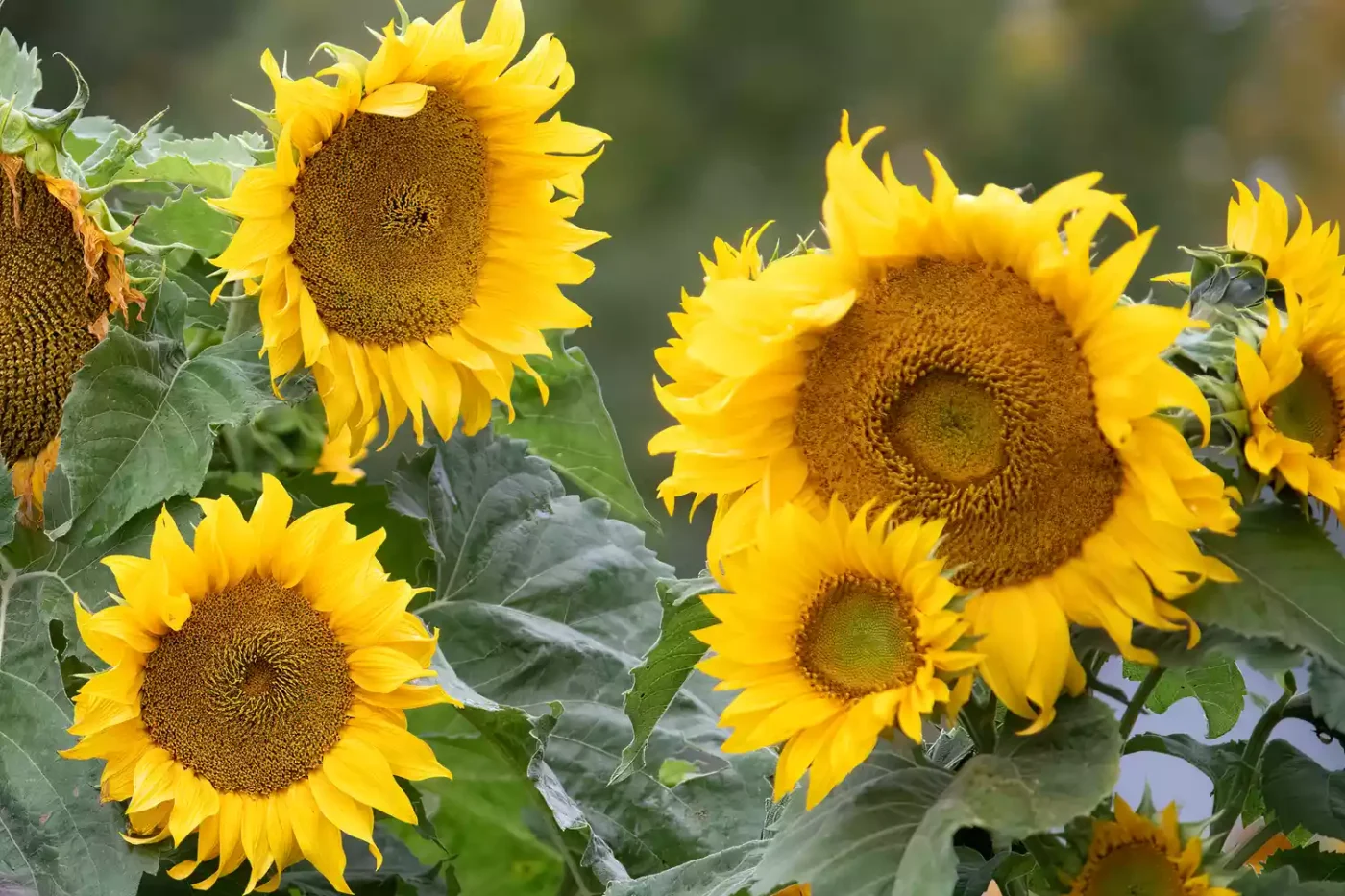
Annual sunflowers growing in a garden
Sunflowers act as massive umbrellas, blocking the intense sunlight and steady airflow that strawberries require to thrive. These giant blooms are also allelopathic, meaning they actively wage war on nearby vegetation.
They release specific chemicals into the surrounding soil that stunt or completely halt the growth of neighboring plants. Keep them entirely separated from your berry patches.
Eggplants
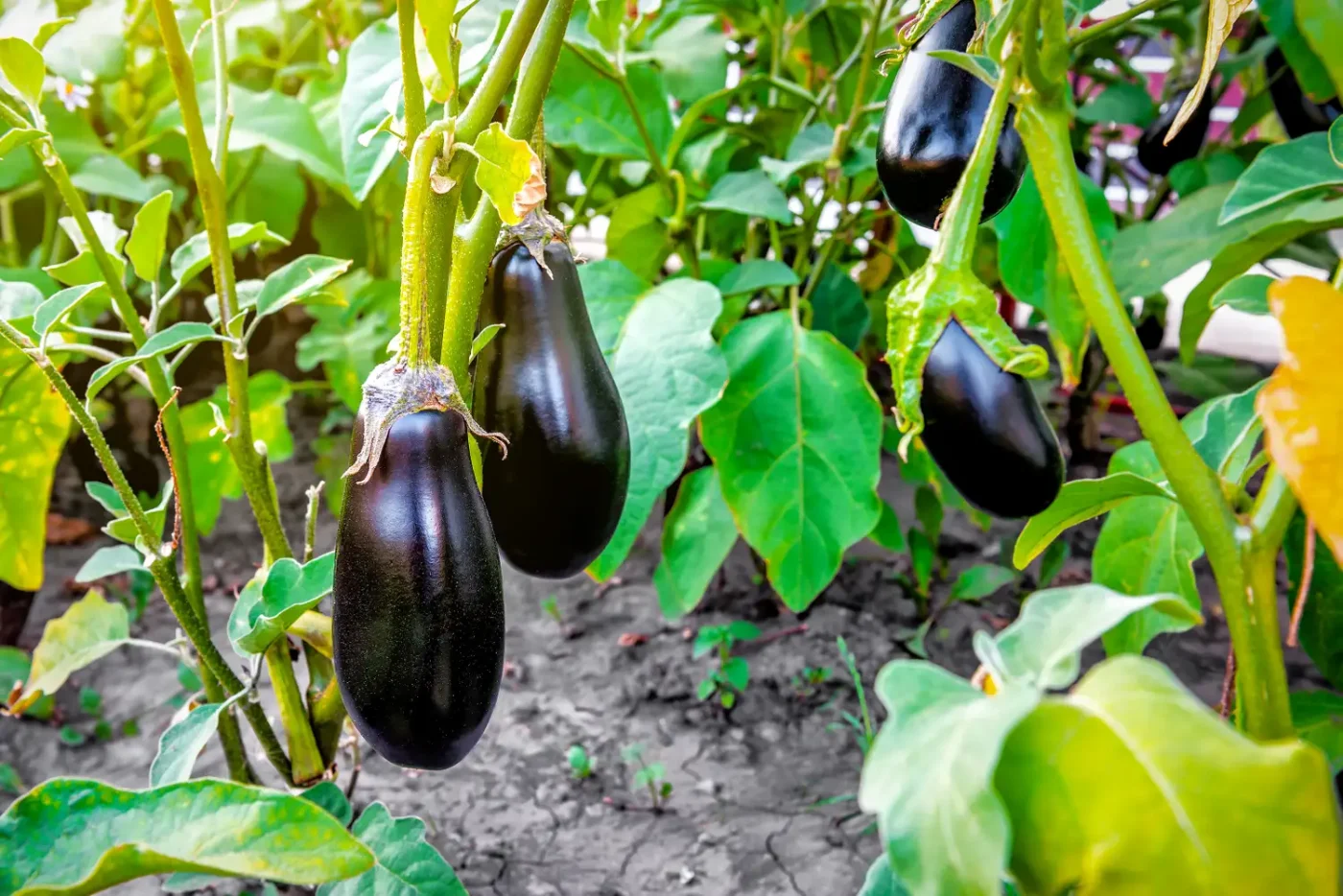
Eggplants in a garden
Another problematic member of the nightshade family, eggplants harbor Verticillium wilt that can rapidly transfer to your berry plants. This soil-borne fungus operates quickly and leaves crops ruined.
Eggplants also draw in aphids and nematodes. These parasitic pests drain nutrients and cripple strawberry growth before fruit can properly form.
Cucumbers
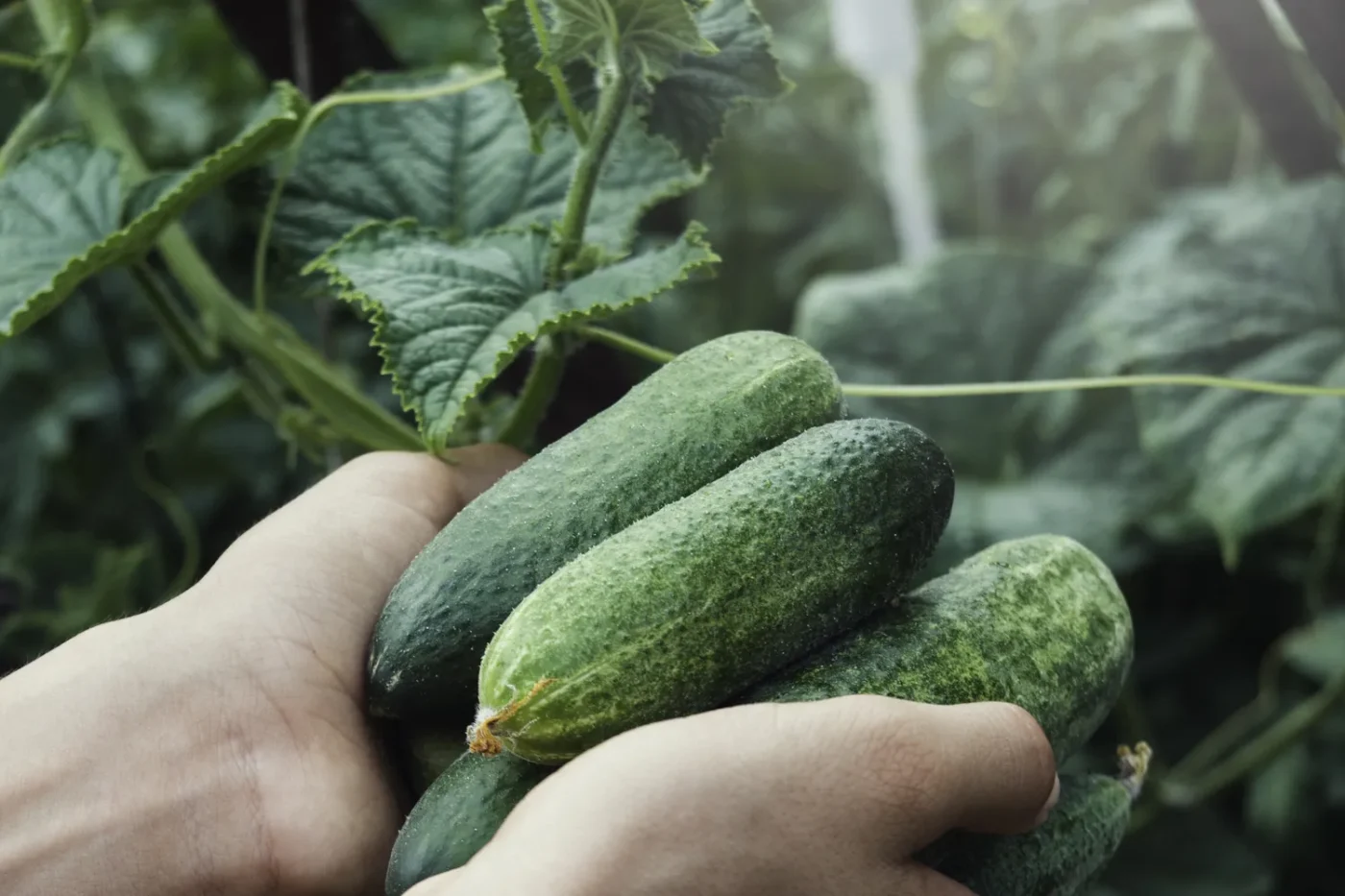
Freshly picked cucumber plant
Cucumber vines sprawl aggressively, competing for physical space and blocking sunlight from reaching the ground. Both plants are classified as heavy feeders, meaning they will constantly battle over soil nutrients and moisture.
If they must share a garden bed, strict trellising is mandatory. Train your cucumbers to grow vertically so they do not cast a permanent shadow over the strawberries below.
Squash
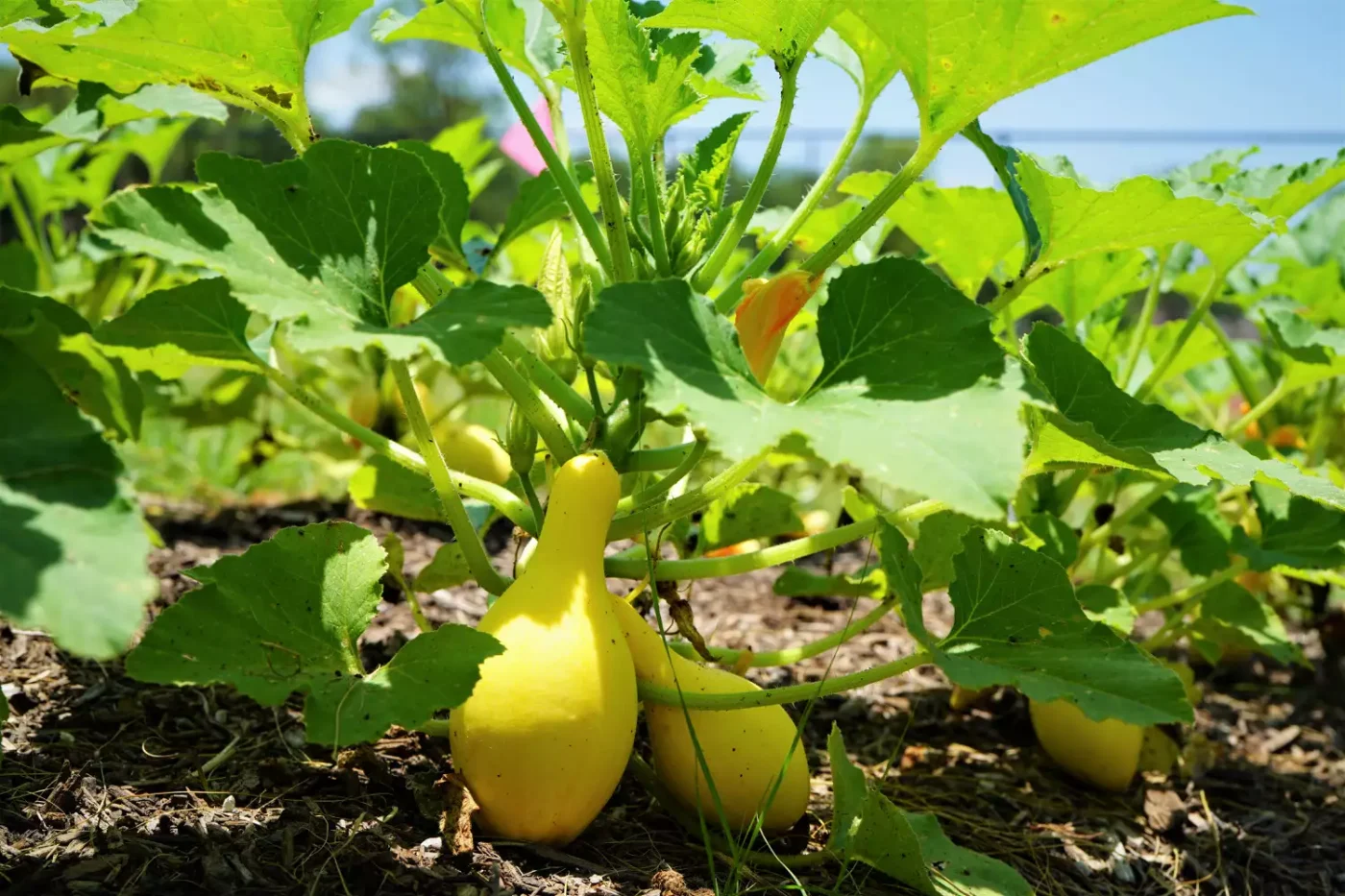
Crookneck squash
Both summer and winter squash produce thick, rapid-growth vines that easily engulf small strawberry plants. This crowding creates dangerous shade and severely limits nutrient availability.
Squash crops also frequently harbor soil-borne fungal diseases. Growing them next to strawberries drastically increases the risk of a patch-wide fungal outbreak.
Fennel
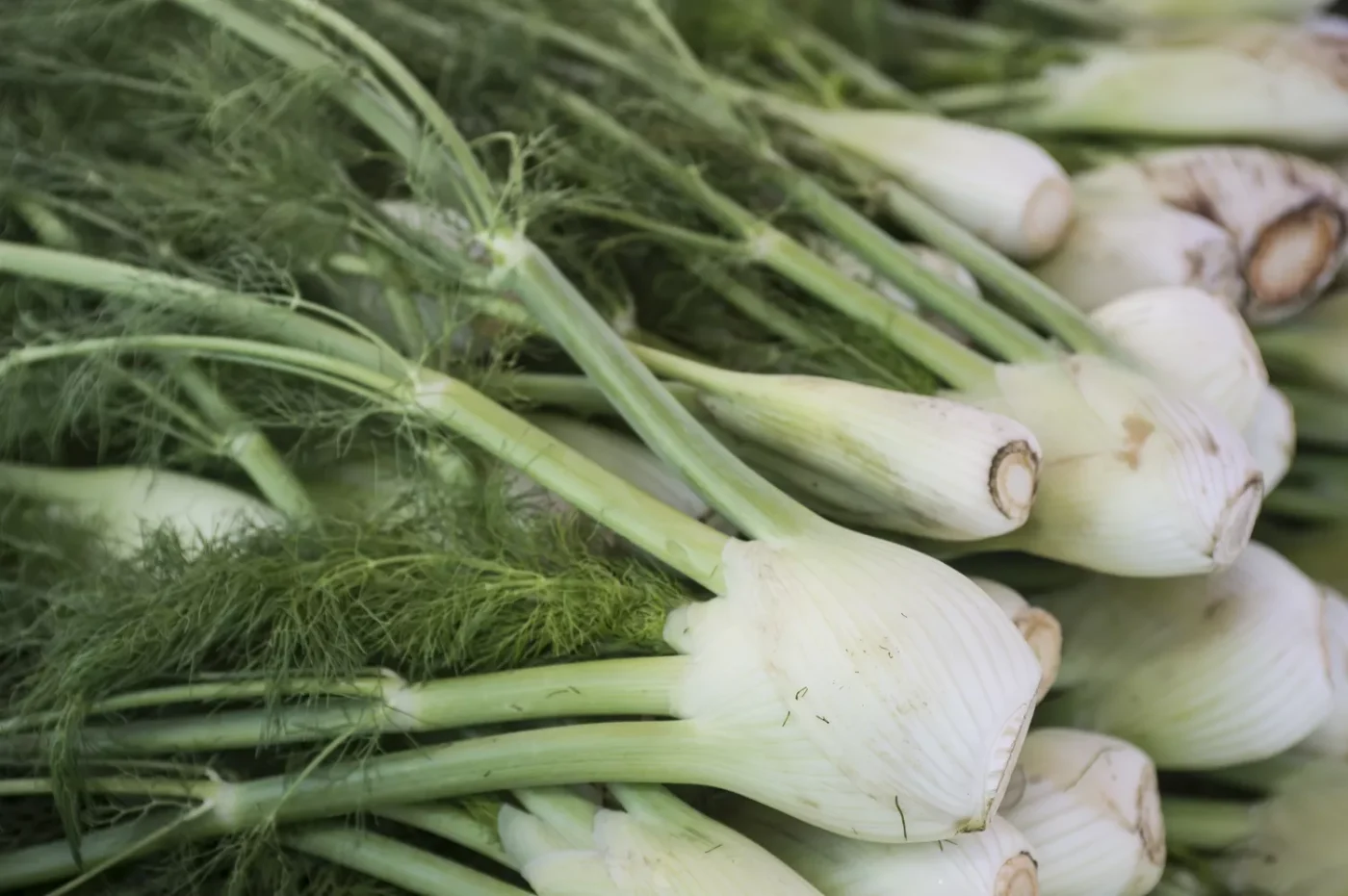
Fresh fennel bulbs
Fennel makes a poor garden companion for almost every crop, and strawberries are no exception. The plant is highly allelopathic, actively secreting growth-inhibiting chemicals into the dirt.
Fennel will also siphon off massive amounts of water and vital nutrients. Always isolate this herb in a separate container or dedicated raised bed.
Mint
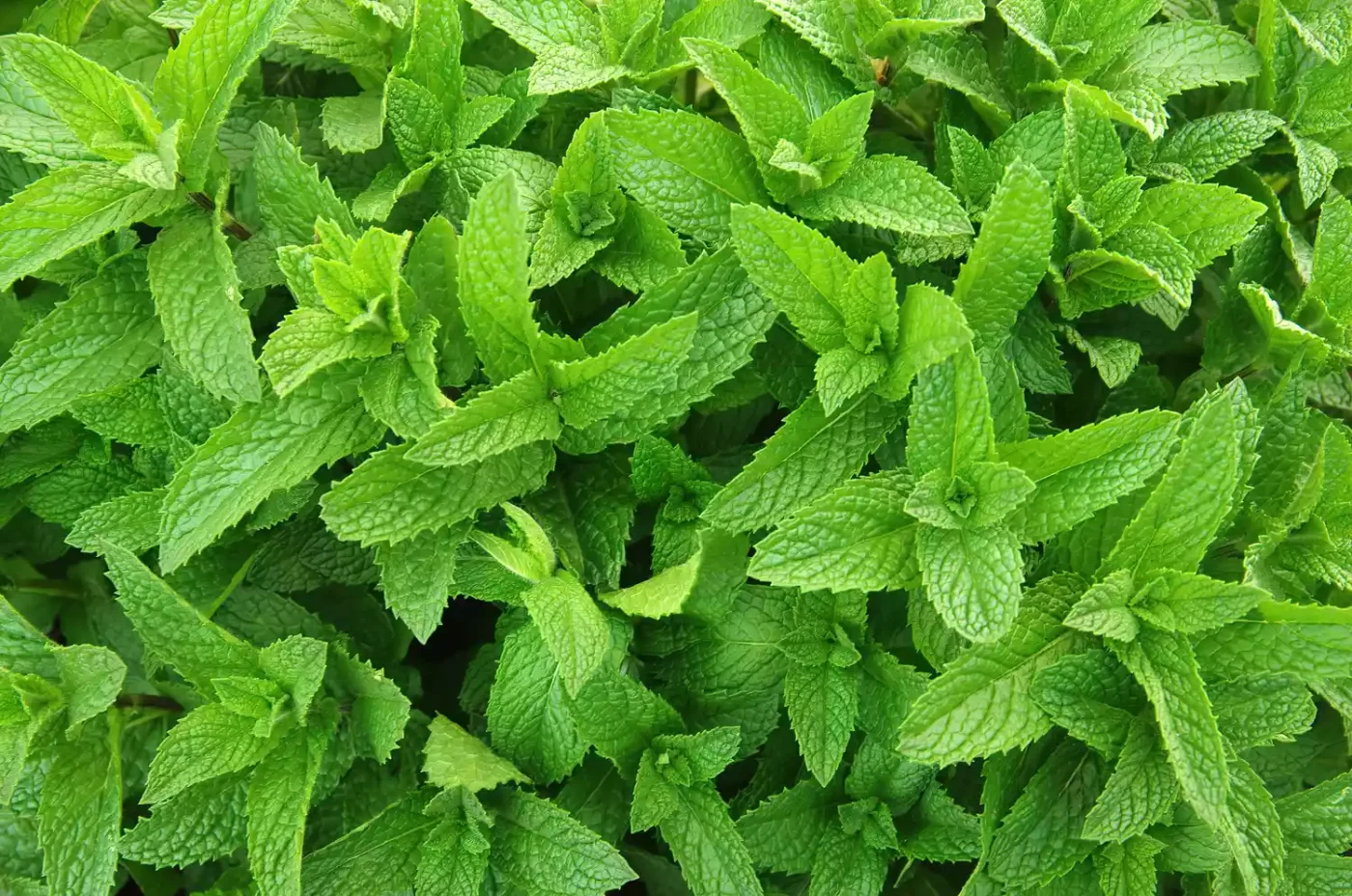
Mint growing in a garden
Mint is notoriously invasive and will quickly choke out a fragile strawberry patch if left unchecked. Its sprawling root system aggressively steals vital resources from surrounding flora.
Mint is also highly susceptible to Verticillium wilt. Keep this aggressive herb completely container-bound to protect your main garden beds.
Cabbage & Brassicas
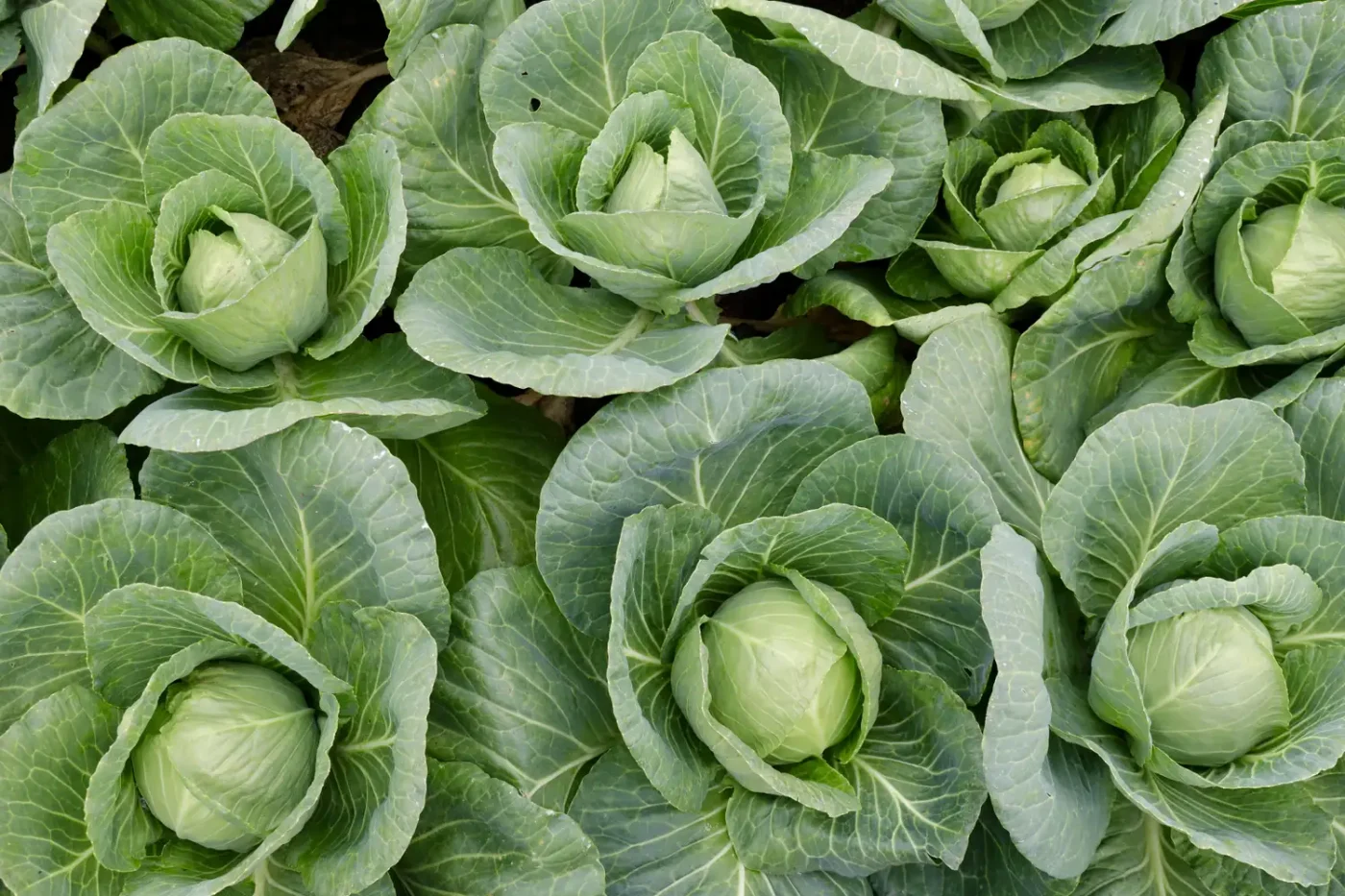
Rows of cabbage heads in the garden
Planting strawberries next to cabbage guarantees neither plant will reach its full potential due to fierce nutrient competition. Cabbages grow massive leaves that cast heavy shade, physically preventing strawberries from producing the necessary flowers for a fruit crop.
This strict boundary rule applies to the entire brassica family. Keep broccoli, cauliflower, and kale well away from your berry harvest.
Plants That Actually Help Strawberries
Strategic companion planting can save your crop and increase yield. Marigolds, dill, sage, and basil act as natural deterrents for harmful pests.
Bush beans and asparagus actively enrich the soil by fixing nitrogen. For highly efficient watering and feeding, group strawberries with rhubarb, spinach, or chives, as they all thrive under the exact same soil and moisture conditions.