A Hotspot for Bathroom Bacteria
Leaving a toothbrush next to the sink is a deeply ingrained daily habit. It keeps the tool within easy reach for routine brushing.
However, leaving bristles exposed on a bathroom counter might be a fast track to illness. Bathrooms are breeding grounds for bacteria, and microbes thrive in damp, humid environments.
A recent study from Northwestern University in Illinois highlighted the severity of the issue. Researchers examined 34 toothbrushes and 92 showerheads, discovering a staggering 600 different viruses living on the bathroom fixtures.
The 90-Day Replacement Rule
Before worrying about storage, baseline toothbrush maintenance is required. Dental professionals agree that a manual toothbrush—or an electric brush head—must be replaced every 90 days.
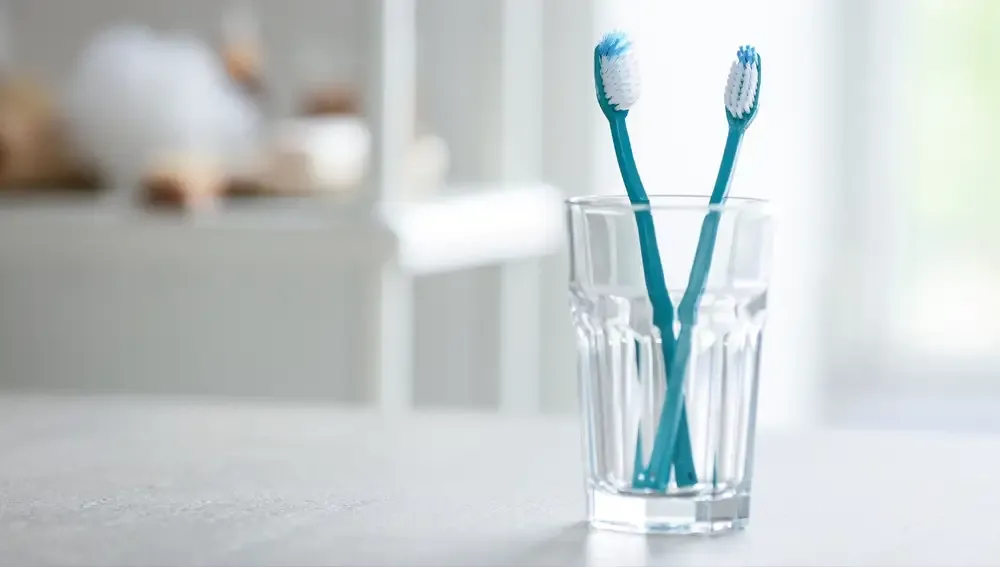
Experts reveal how often a toothbrush needs to be changed.
That timeline shrinks if you brush more than twice a day or for longer than two minutes per session. Overuse wears down the bristles, instantly reducing their ability to clean teeth efficiently.
The Right Way to Store Your Brush
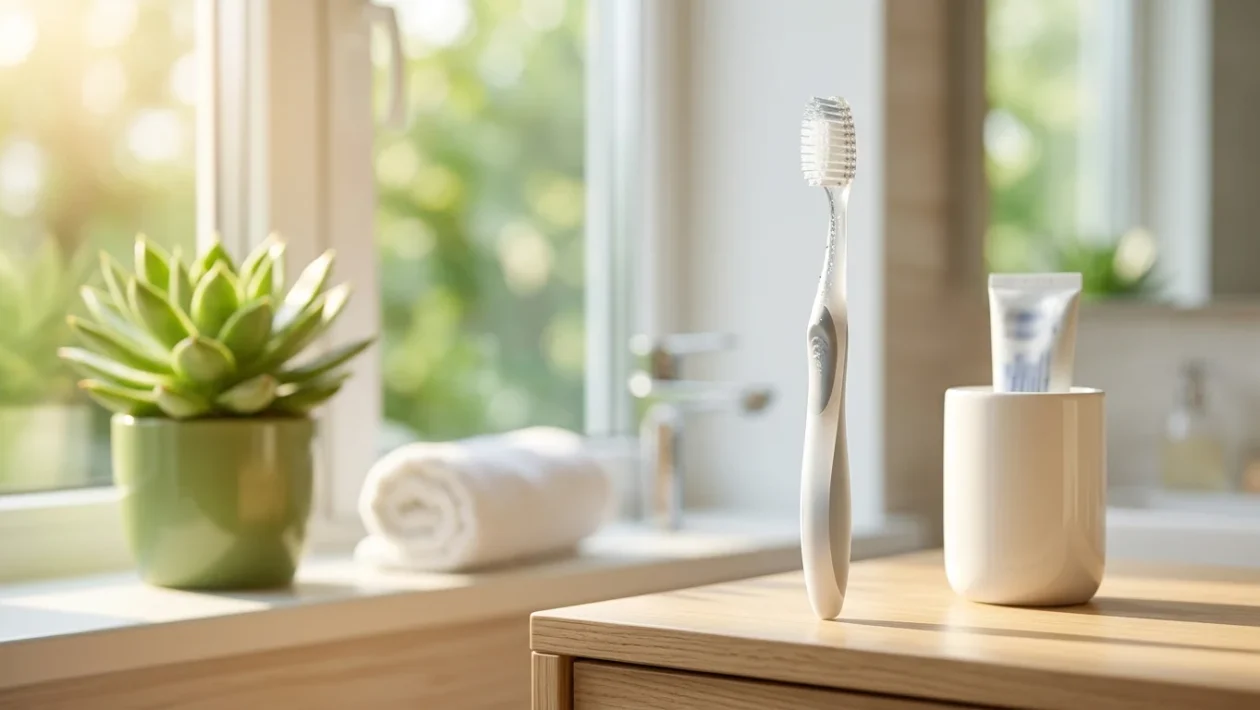
You do not need to move your toothbrush to the kitchen, but you should rethink its bathroom placement. The first rule is to keep the toothbrush holder completely dry and positioned away from the sink’s moisture.
Storing the holder inside a bathroom cabinet is the safest option. This shields the bristles from toilet plume—the aerosolized bacteria sprayed into the air with every flush.
Families must also avoid crowding multiple toothbrushes into a single cup. Bristles should never touch, as this guarantees cross-contamination between users.
Daily Disinfection Protocol
Keeping a toothbrush clean requires more than a quick rinse. Dentists recommend a specific four-step routine after every single use.
- Rinse thoroughly under running water to remove food particles, residual toothpaste, and saliva.
- Soak the bristles for a few minutes in a glass of warm water mixed with a splash of mouthwash.
- Rinse again with plain water to wash away the mouthwash solution.
- Air dry by vigorously shaking the excess water from the bristles.
Ditch the Plastic Caps
Toothbrush caps are exclusively for travel. Using a plastic cover at home creates a closed, damp environment where bacteria multiply rapidly.
Dr. Raúl González-García and Dr. Jesús Sastre Pérez from the Hospital Universitario Nuestra Señora del Rosario stress the importance of vertical storage. Storing a toothbrush upright allows moisture to drain downward naturally.
By keeping the brush upright, uncovered, and stashed in a dry cabinet away from the toilet, users can effectively block harmful bathroom viruses.