Renters and budget-conscious homeowners have largely been locked out of the clean energy transition. Upgrading to energy-efficient heating and cooling typically requires owning the property and spending thousands on structural modifications.
Heating and cooling buildings swallows 35% of all energy used in the United States every year. To cut costs and emissions, property owners are rapidly replacing traditional fossil fuel systems with electric heat pumps, which move existing heat rather than generating it from scratch.
Permanent mini-split systems require professional contractors. Installation alone can hit $10,000, and that figure does not even cover the actual equipment.
The Plug-and-Play Solution
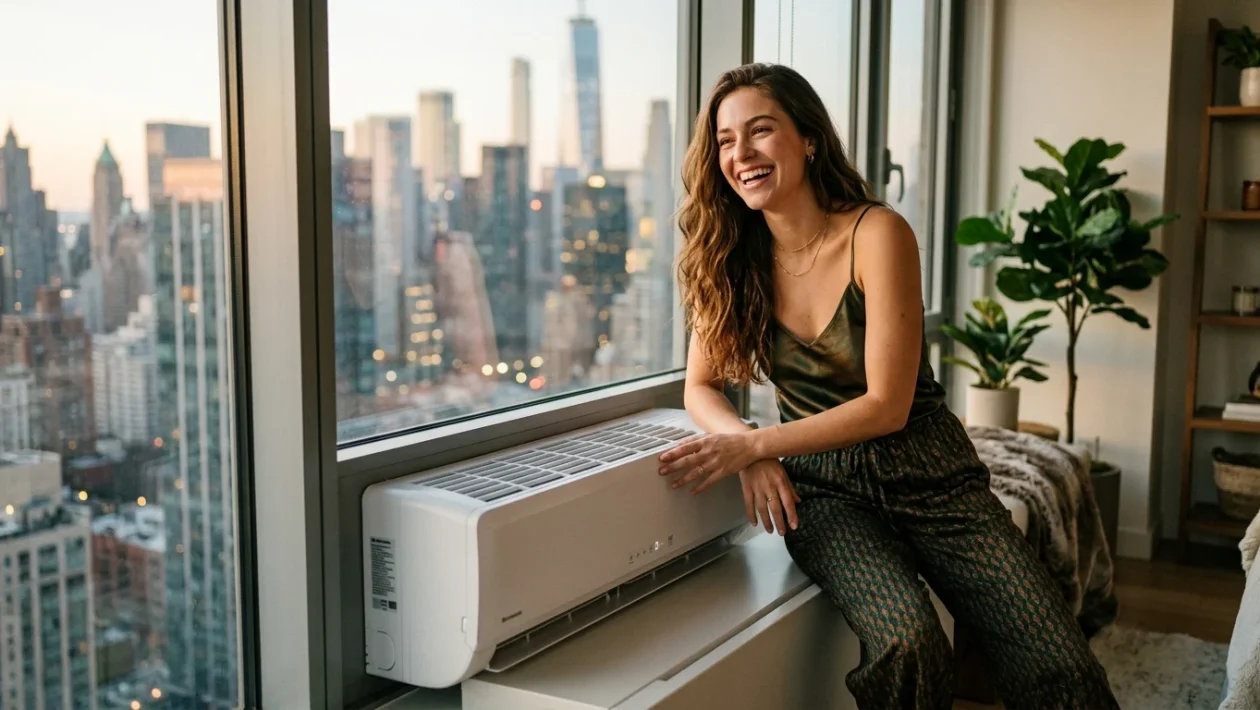
A new category of appliance is bypassing these barriers: the window heat pump. Like standard window air conditioning units, these self-contained devices require no contractor and plug directly into a standard wall outlet.
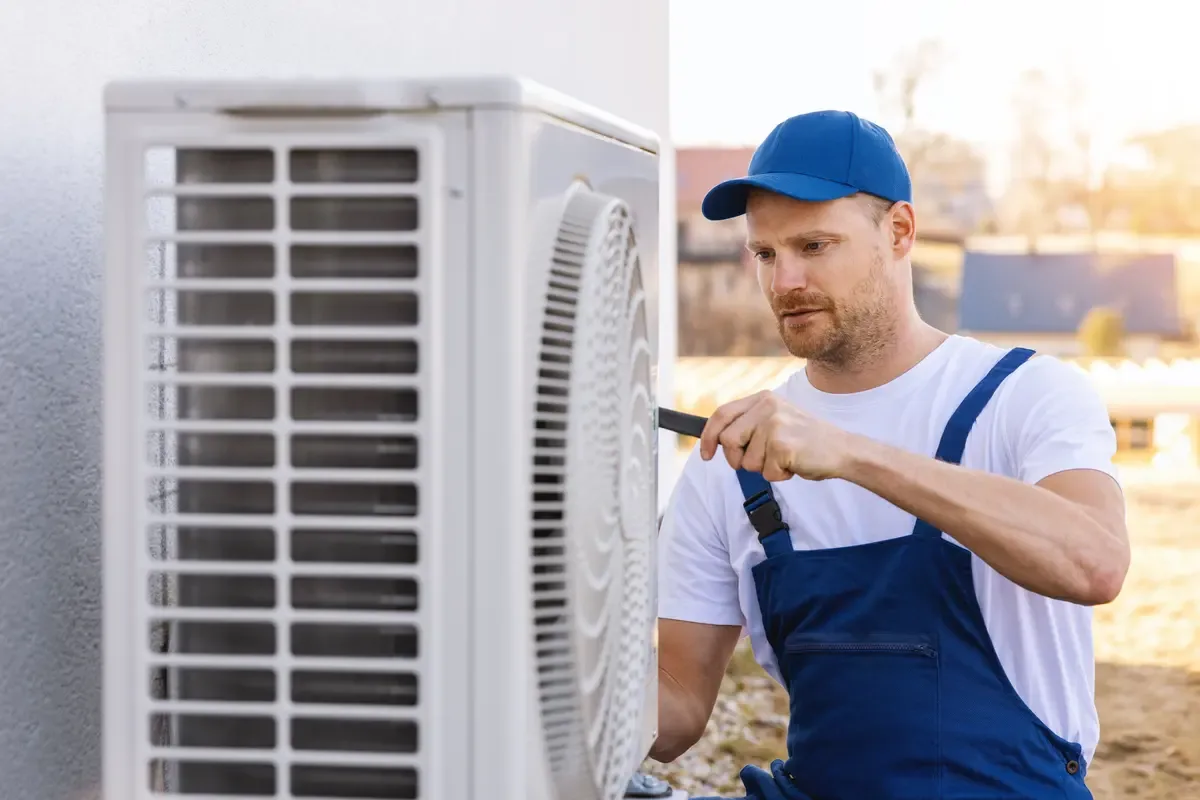
Unlike standard window air conditioners, window heat pumps provide both efficient heating and cooling.
Tenants can install the equipment themselves and take it with them when their lease ends. These portable units run between $3,000 and $4,000, offering massive savings over permanent split systems.
Cheaper models do exist on the market. However, experts warn they often lack efficiency ratings, fail in freezing temperatures, and generate significant noise while running.
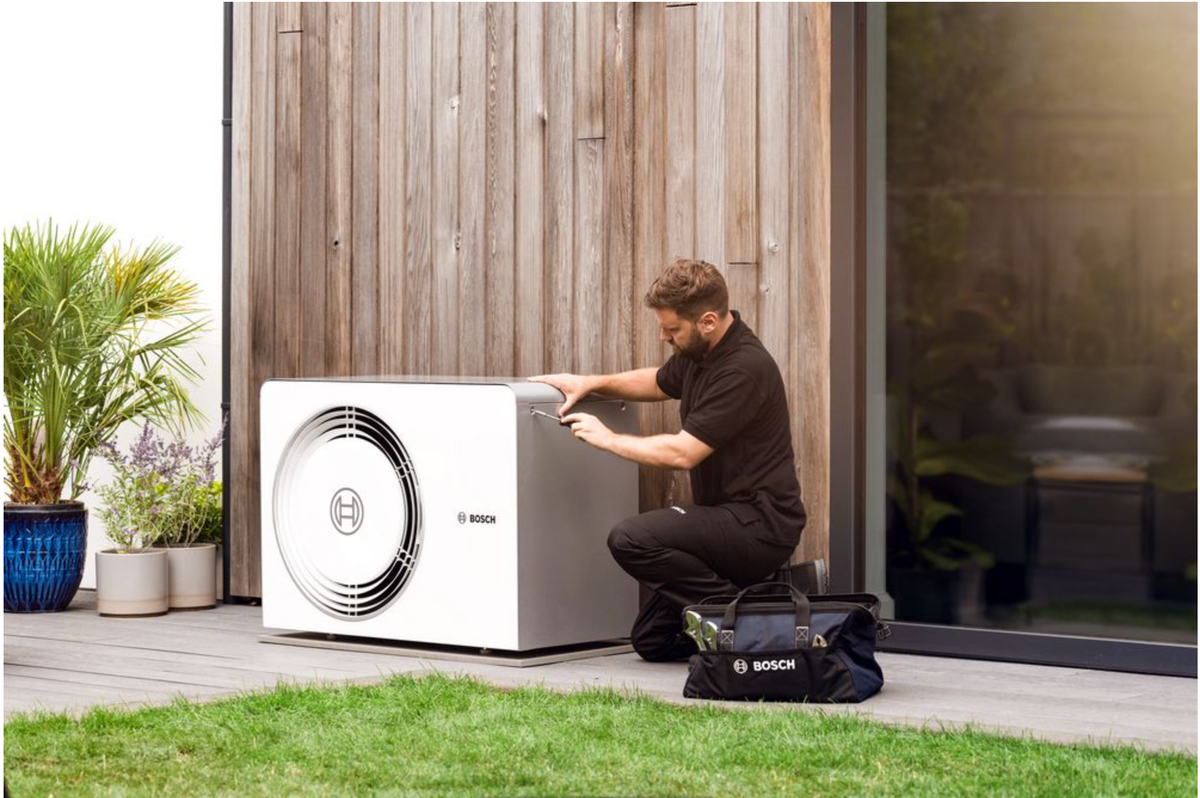
Packaged window heat pumps are inexpensive to install and offer all-in-one climate control for apartments and older homes.
Moving Heat, Not Making It
Heat pumps rely on a reversible refrigeration cycle. They provide the same climate control as traditional furnaces or space heaters but use less than half the electricity.
Moncef Krarti, a Professor of Civil, Environmental and Architectural Engineering at the University of Colorado Boulder, evaluates building energy technologies. He notes that these window units allow apartment dwellers to drastically upgrade their home efficiency without making structural changes.
Capacity Limits and Extreme Cold
While revolutionary for renters, window units have strict limitations. A whole-home heat pump requires a capacity of 12,000 to 60,000 British thermal units (Btu), but window units currently max out at roughly 9,000 Btu.
This means each window unit can only serve a single room, whereas permanent split systems can heat or cool multiple zones simultaneously.
Efficiency also plummets in extreme weather. When outdoor temperatures hit -13 degrees Fahrenheit (-25 degrees Celsius), a window heat pump’s heating output falls to nearly half its rated capacity. Energy efficiency simultaneously drops to one-third of its normal performance.
For consumers looking to buy, financial timing is critical. Federal subsidies for window heat pumps expired in 2025, but buyers can still secure financial assistance through local governments, state programs, and utility company rebates.