A Crackdown on Food Labels
Spain is overhauling how its famous table olives and vinegar-based preserves are presented to consumers. The sweeping changes come courtesy of Real Decreto 142/2026, which officially takes effect on March 1, 2026.
The new regulations mandate strict transparency on labels, directly impacting manufacturers of table olives and altering the allowable acidity margins for vinegars. Any products commercialized before the regulation goes into effect will be allowed to remain on store shelves until existing stocks are completely exhausted.
What Changes for Table Olives
Under the new rules, basic product naming leaves no room for ambiguity. Labels must explicitly state “olives” or “table olives,” alongside their specific presentation format and commercial category.
Manufacturers must also declare the exact color of the olives. The only exception to this color rule applies to transparent packaging where the consumer can already clearly see the product inside.
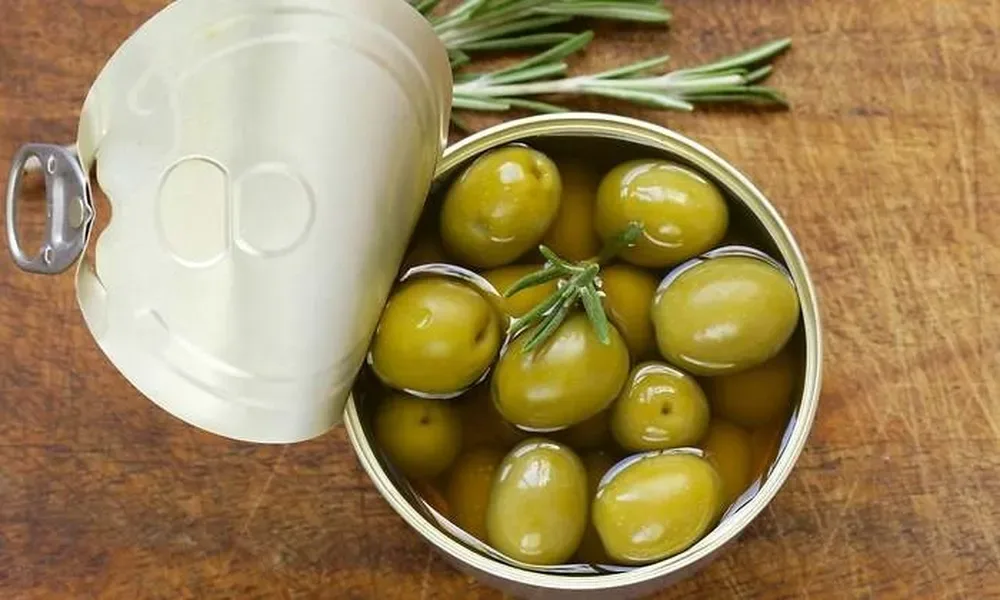
Table olives and pickled products regulated by the new food standards.
The End of Deceptive Stuffing
The most significant shift for the Spanish market targets stuffed olives. Moving forward, the product name must strictly follow the formula “olive stuffed with…” followed by the defining ingredient.
If the stuffing is actually a manufactured paste—rather than a solid piece of anchovy, pepper, or other food—manufacturers can no longer hide behind simplified names. The ingredient list must explicitly state that the filling is a paste and detail its entire composition.
For instance, a jar proudly displaying “anchovy-stuffed olives” on the front will be legally required to disclose on the back if that interior is actually a paste containing thickeners, other fish, water, salt, or artificial additives.
New Margins for Vinegars and Pickles
The legislation also brings much-needed clarity to vinegar production. The new framework officially sanctions specific ingredients for vinegar making, including fruit juices, concentrated juices, and various forms of grape must.
Vinegars protected by a Protected Designation of Origin (PDO) or Protected Geographical Indication (PGI) will also be permitted to use fresh grape must fortified with alcohol, provided their specific regulatory councils allow it.
When it comes to declared acidity levels, the law introduces new margins of error. Inspectors will accept a discrepancy of up to 0.2 degrees in standard products and 0.5 degrees in PDO or PGI vinegars, as long as the absolute legal minimum is met.
While cucumbers and other vegetables preserved in vinegar won’t receive a new quality classification under Real Decreto 142/2026, they will inevitably be impacted by the shifting ingredient profiles of the vinegars used to preserve them.