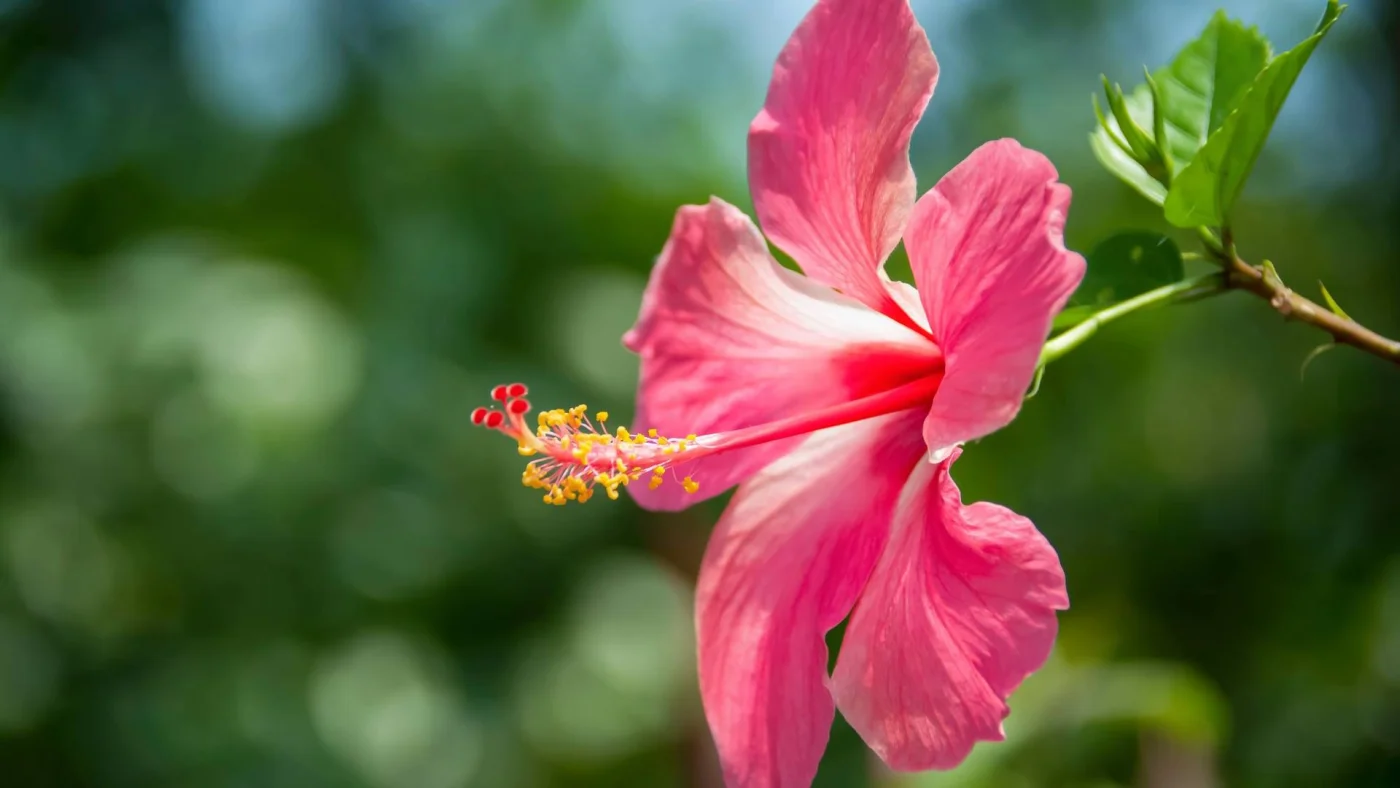
Pink hibiscus flower
By midsummer, gardens hit a critical dividing line. Some plants are rapidly burning through nutrients and demand aggressive feeding to maintain momentum.
Others are quietly preparing for dormancy or setting next year’s buds. If you feed them now, you trigger soft, late-season growth that the first winter frost will instantly destroy.
The golden rule of July gardening is simple: Anything actively producing flowers or fruit needs more fuel. Anything storing reserves for winter must be left alone.
6 Plants to Keep Feeding in July
These six heavy feeders are still working hard. Supplying them with the right nutrient blend in July ensures a strong finish to the season.
1. Tomatoes
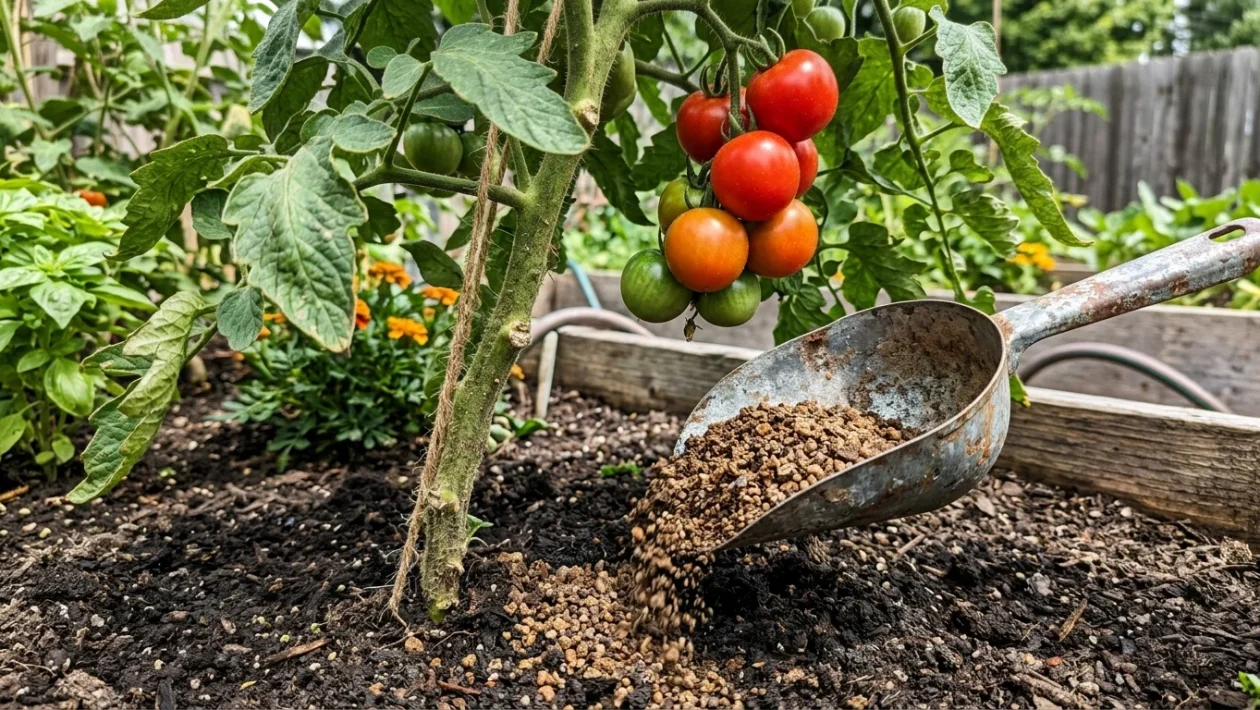
Tomatoes (Solanum lycopersicum) are heavy feeders grown as annuals across USDA zones 3-11. Once their fruit sets, you must immediately shift your strategy away from nitrogen.
Excess nitrogen grows massive leaves but ignores the fruit. Switch to a fertilizer with higher phosphorus and potassium every two to three weeks.
Products like Farmer’s Secret Fruit and Bloom Booster are ideal for this phase. Additionally, applying calcium prevents blossom end rot, a common midsummer tomato killer.
2. Peppers
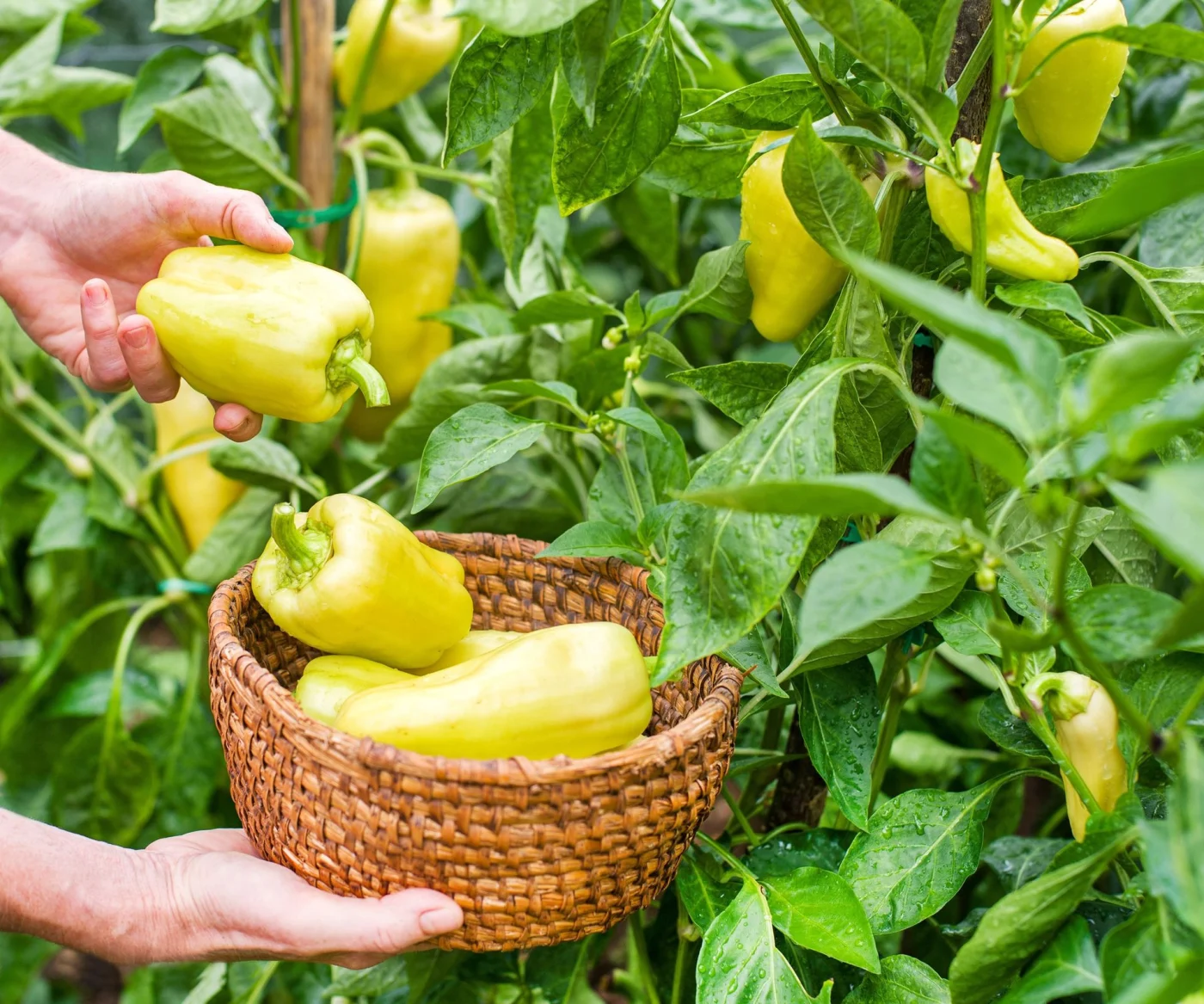
Fresh yellow bell peppers collected in a wicker basket during harvest.
Peppers (Capsicum annuum) share zones 4-11 with tomatoes and follow the exact same rules. They will continue throwing flowers and setting fruit until the first frost.
Keep them on a low-nitrogen diet every few weeks. Overfeeding nitrogen results in a stunning, dark-green bush that yields absolutely zero peppers.
3. Sweet Corn
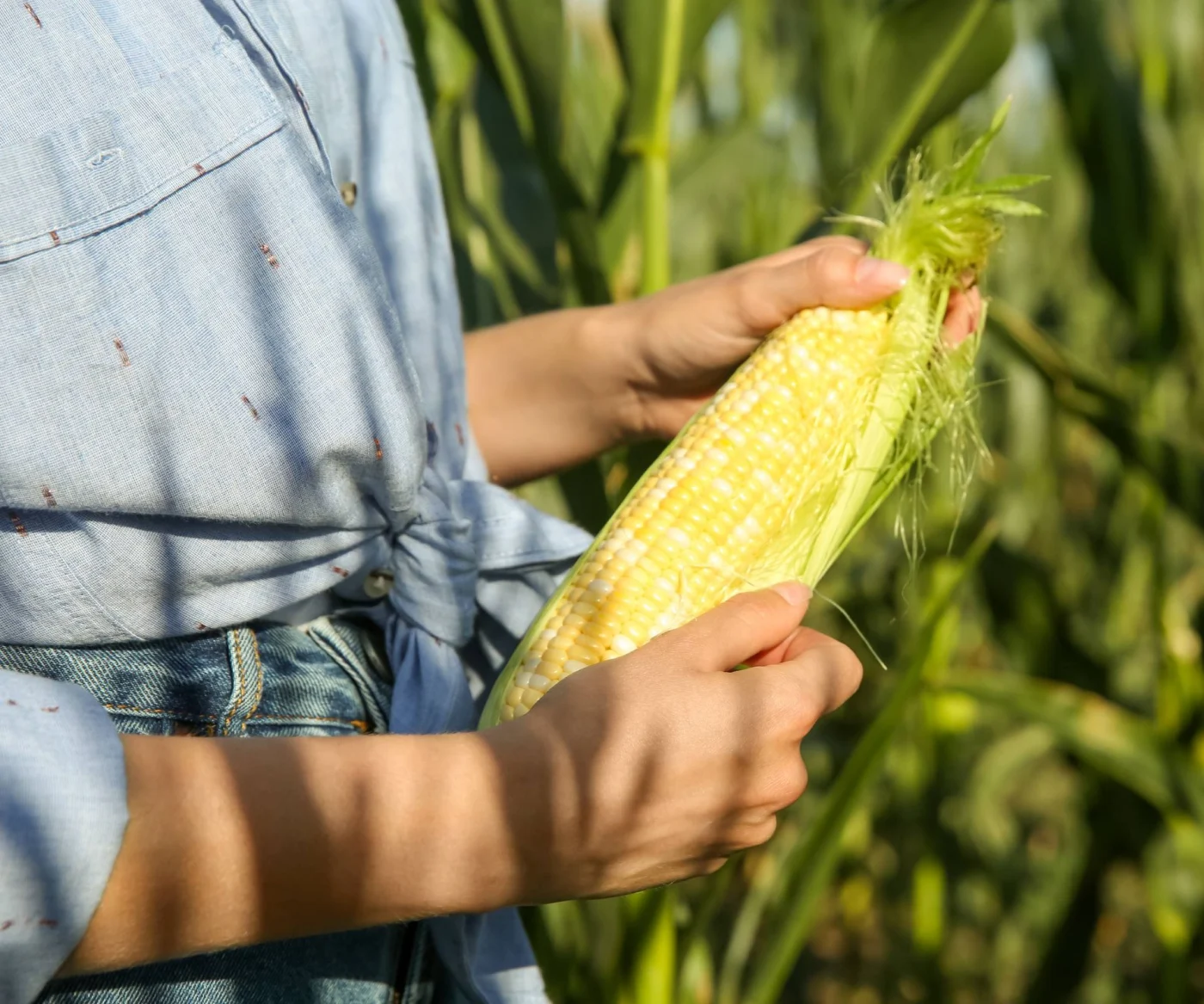
A gardener peels back the husk to reveal sweet corn kernels.
Sweet corn (Zea mays) is the exception to the low-nitrogen rule. Grown as an annual in zones 3-11, corn devours nitrogen from germination until the ears are completely full.
Side-dress the stalks with a high-nitrogen liquid option, like Gardenera Liquid Power Corn Fertilizer, when the plants reach knee height. Do it again when the tassels appear.
If you see pale lower leaves with yellowing along the midrib, the plant is already starving for nitrogen.
4. Roses
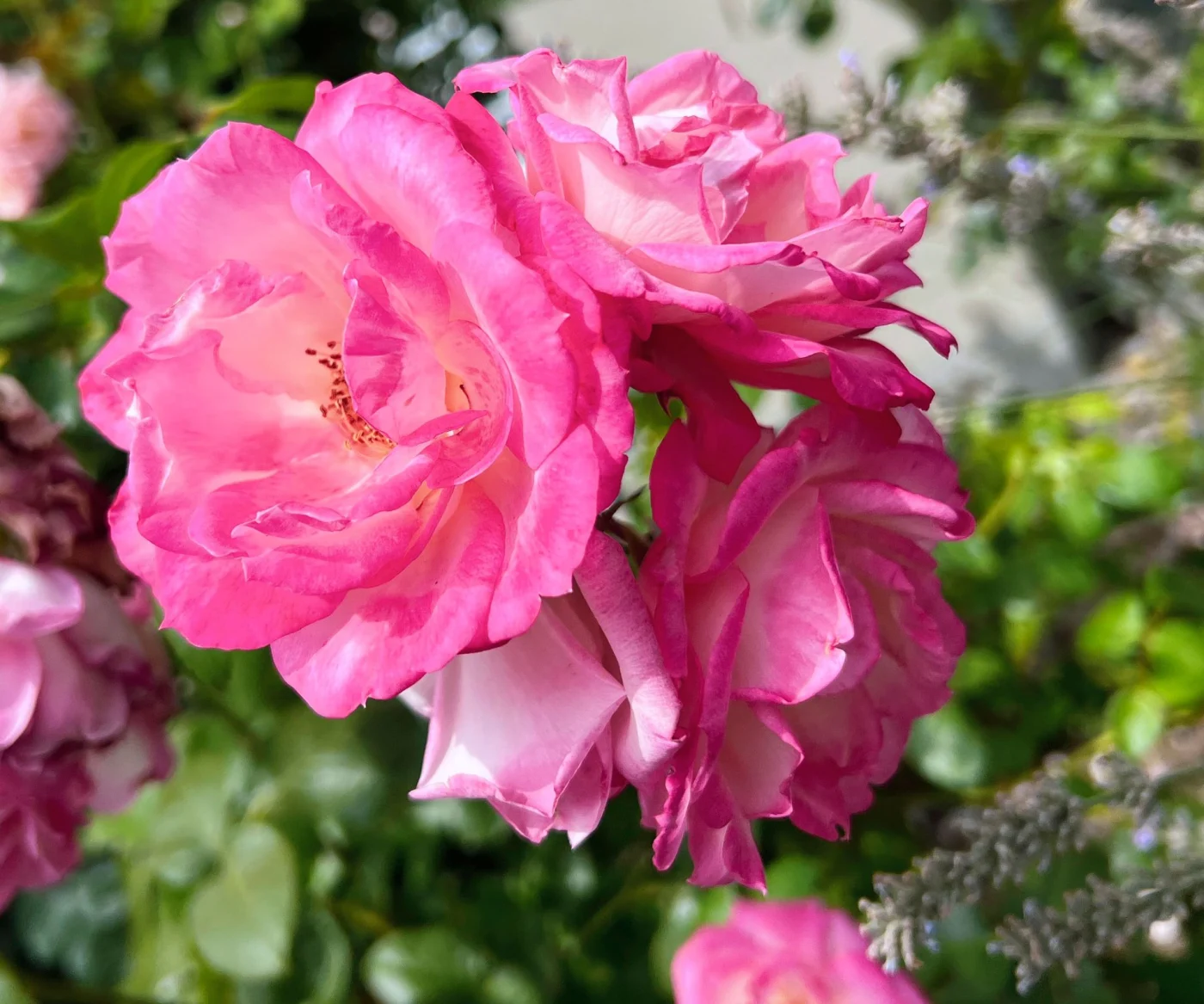
A Sweet Chariot rose bush with large pink flowers.
Roses (Rosa spp.) are hardy in zones 3-9 and drain their energy with every flush of blooms. Applying a balanced fertilizer after each flush guarantees the next round of flowers.
An organic option like Jobe’s Organics Granular Rose Fertilizer prevents root scorch during extreme July heat. However, there is a strict deadline.
You must stop feeding roses six to eight weeks before your first expected frost to prevent tender, vulnerable canes from forming right before the cold hits.
5. Container Annuals
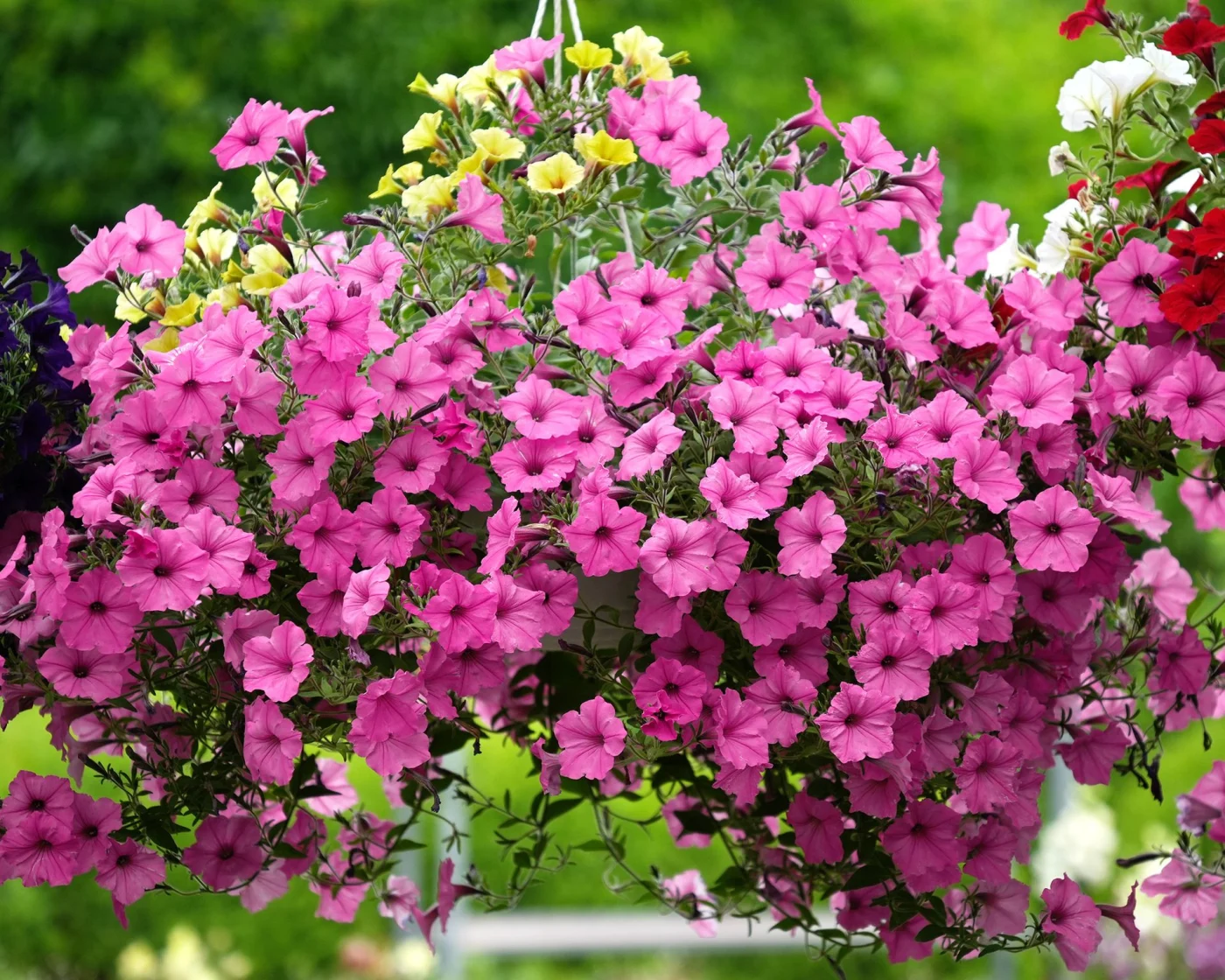
A close-up of a blooming Vista Bubblegum supertunia in a summer garden.
Container annuals, such as petunias (Petunia spp.), survive purely on borrowed nutrition. While perennial in zones 9-11, they are treated as annuals everywhere else.
Every time you water a pot, nutrients wash out the drainage holes. By July, any fertilizer mixed into the potting soil back in May is completely gone.
Replenish the soil using a dilute liquid feed every week or two. A water-soluble all-purpose plant food like Miracle-Gro keeps potted plants thriving through the hottest months.
6. Tropical Hibiscus
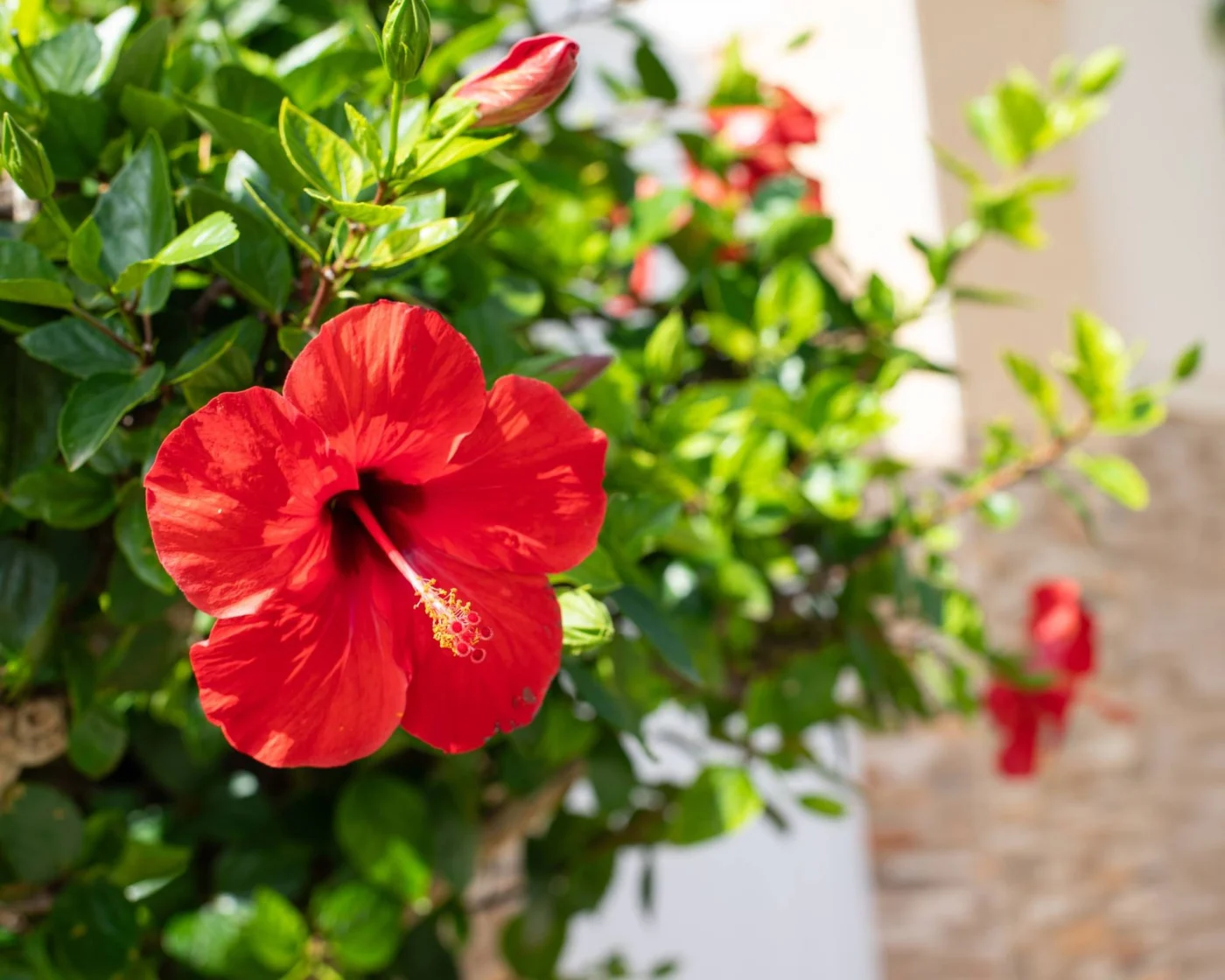
A bright red tropical hibiscus flower.
Outside of zones 9-11, tropical hibiscus (Hibiscus rosa-sinensis) must be grown in pots and moved indoors for winter. It will bloom constantly through the warm months if properly fed.
This plant craves potassium but despises high phosphorus. Standard bloom-boosting fertilizers will actually stunt its growth.
Use a specialized formula like Nelson Plant Food NutriStar Hibiscus Fertilizer every couple of weeks until it is time to haul the pot inside.
3 Plants to Stop Fertilizing Now
These three plants have already shifted their focus to next year. Feeding them in July causes unseen damage that will haunt your garden later.
1. Bigleaf Hydrangea
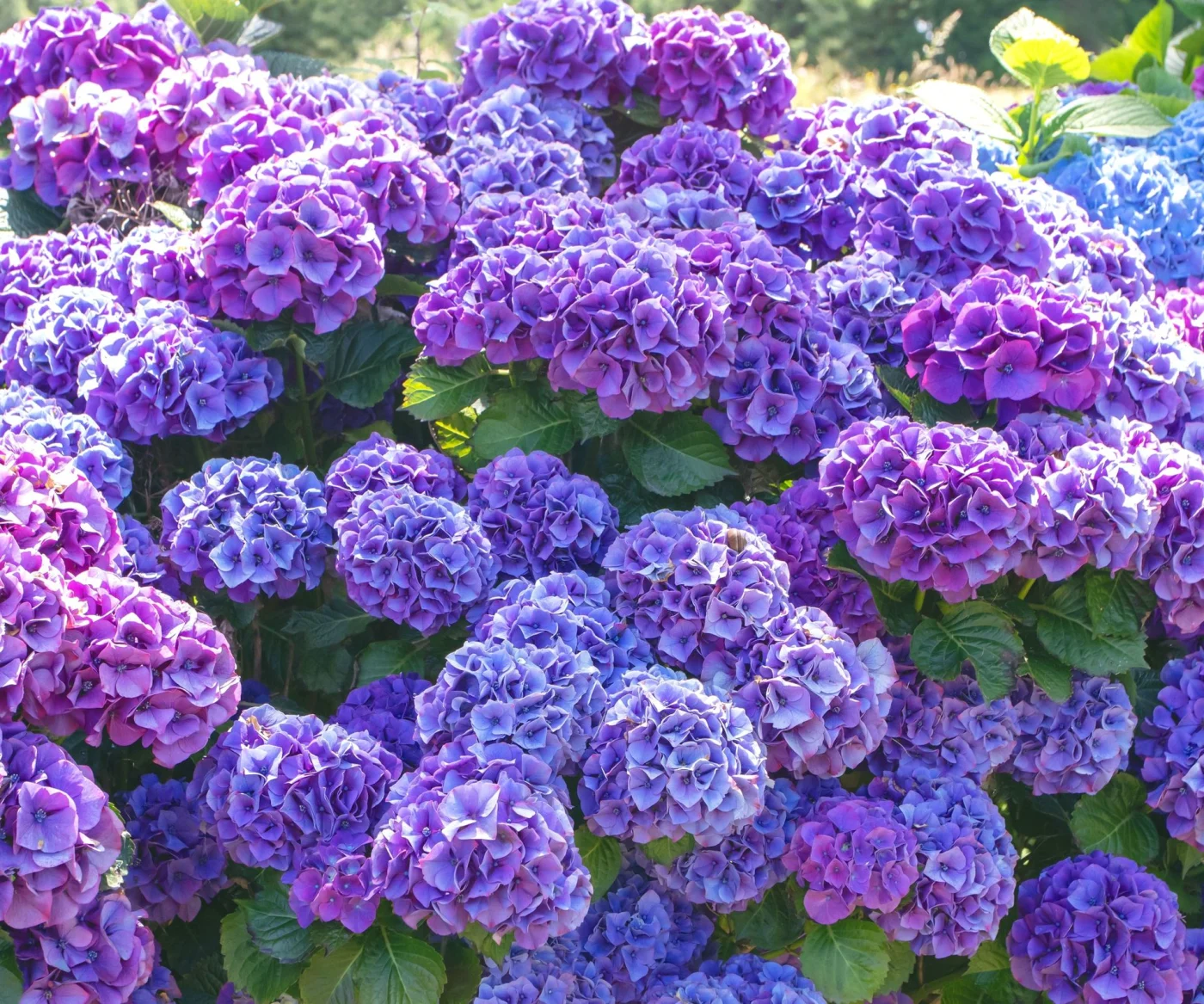
A bigleaf hydrangea bush displaying purple and blue flowers.
Bigleaf hydrangeas (Hydrangea macrophylla) in zones 5-9 are already setting next spring’s flower buds. This process requires hardening off the wood.
Adding nitrogen in July forces soft, weak growth. When winter arrives, that new growth will instantly freeze and die back.
All feeding should end by early summer. In July, they only require consistent watering and a thick layer of mulch.
2. Peonies
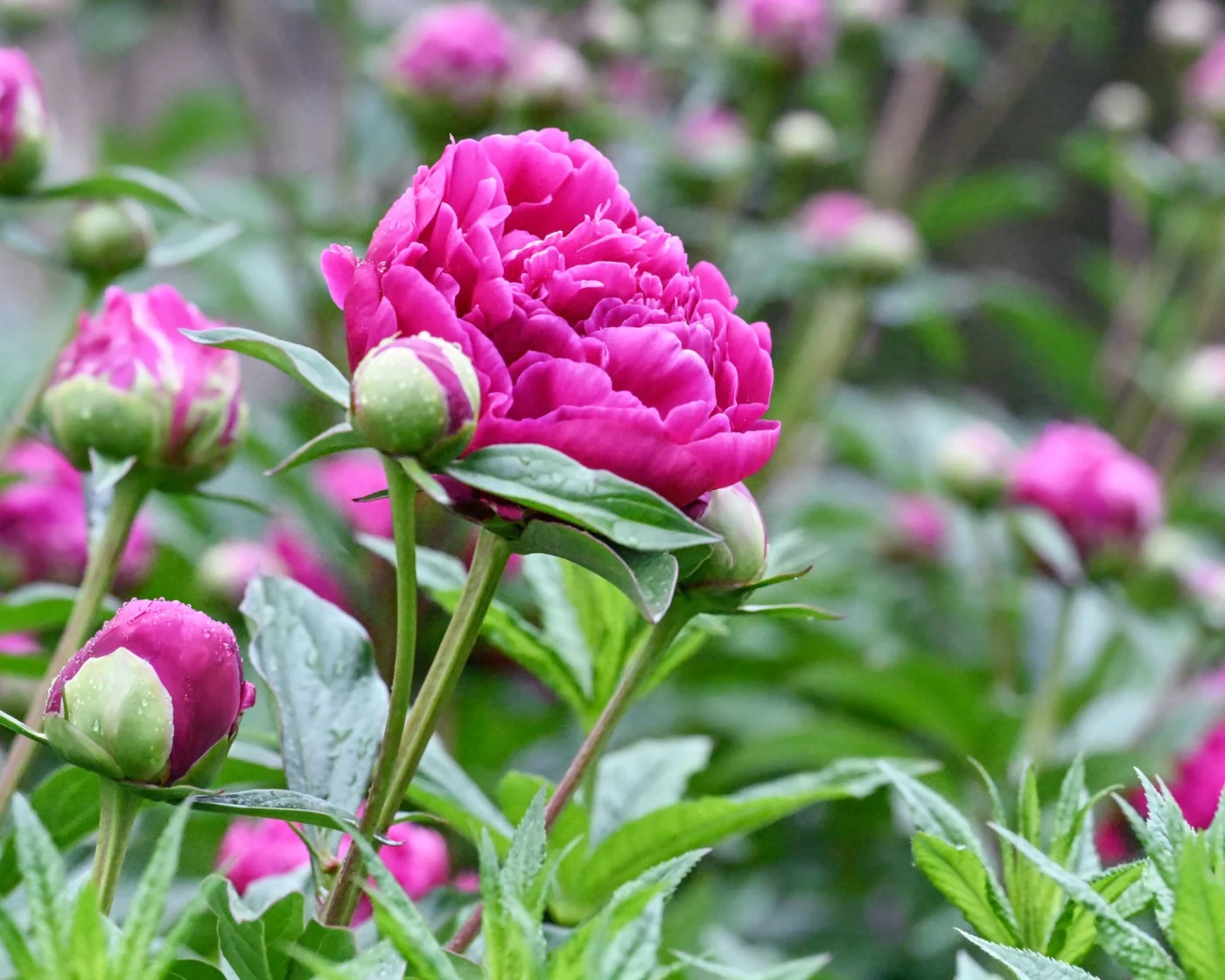
Pink peonies and unbloomed flower buds growing in a garden.
Peonies (Paeonia lactiflora) finish their bloom cycle early in zones 3-8. Right now, they are exclusively photosynthesizing to stock their roots for next year.
Fertilizing in midsummer forces the foliage to flop over and severely reduces next spring’s bud count. Their feeding window officially closed in June.
Do not cut the foliage back, as the leaves are the primary engine powering the root system. Let them rest.
3. Garlic
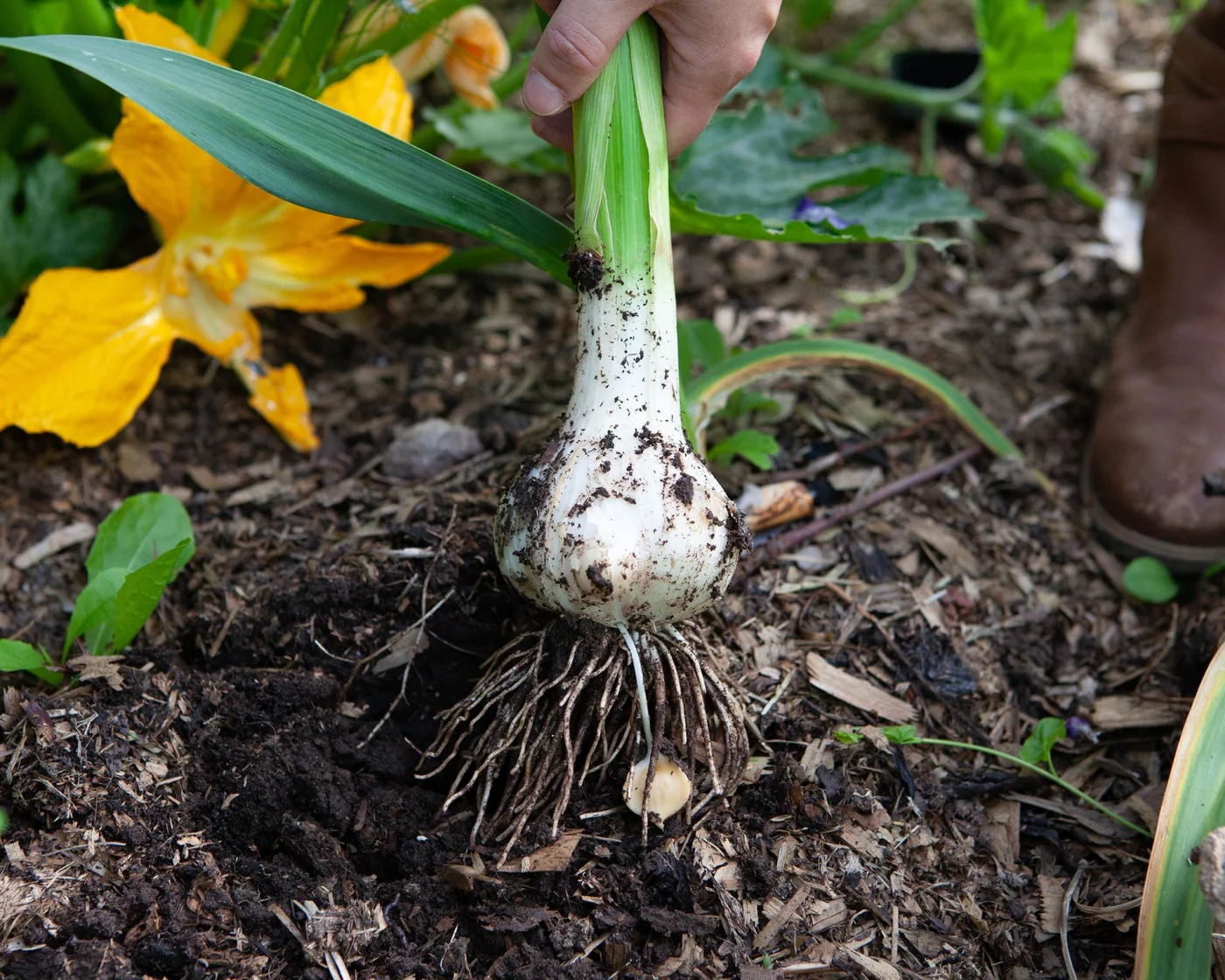
A gardener harvests a large elephant garlic bulb from the soil.
Planted in the fall and hardy through zones 3-9, garlic (Allium sativum) is currently swelling its underground bulbs or sitting ready for harvest.
Applying nitrogen now forces the plant to grow above-ground leaves instead of bulbs, resulting in a weak harvest that rots in storage.
Garlic feeding must stop the moment the scapes appear. From that point on, provide only water, and taper that off right before pulling the bulbs.
Tyler Schuster brings over a decade of controlled-setting microbiology experience to the garden. After surviving spinal injuries and brain surgery, his approach focuses heavily on adapting outdoor cultivation techniques to respect physical limits.