The Return of Stainless Steel
Choosing cookware goes beyond sleek designs and clearance tags. Smart consumers prioritize materials that offer long-term durability and safe daily use.
This shift in mindset has sparked a massive revival for classic stainless steel pots and pans.
However, a quick glance at the bottom of these pots reveals cryptic stamps like “304” and “316.” While they look identical on the shelf, these numbers dictate exactly how the metal performs on the stove.

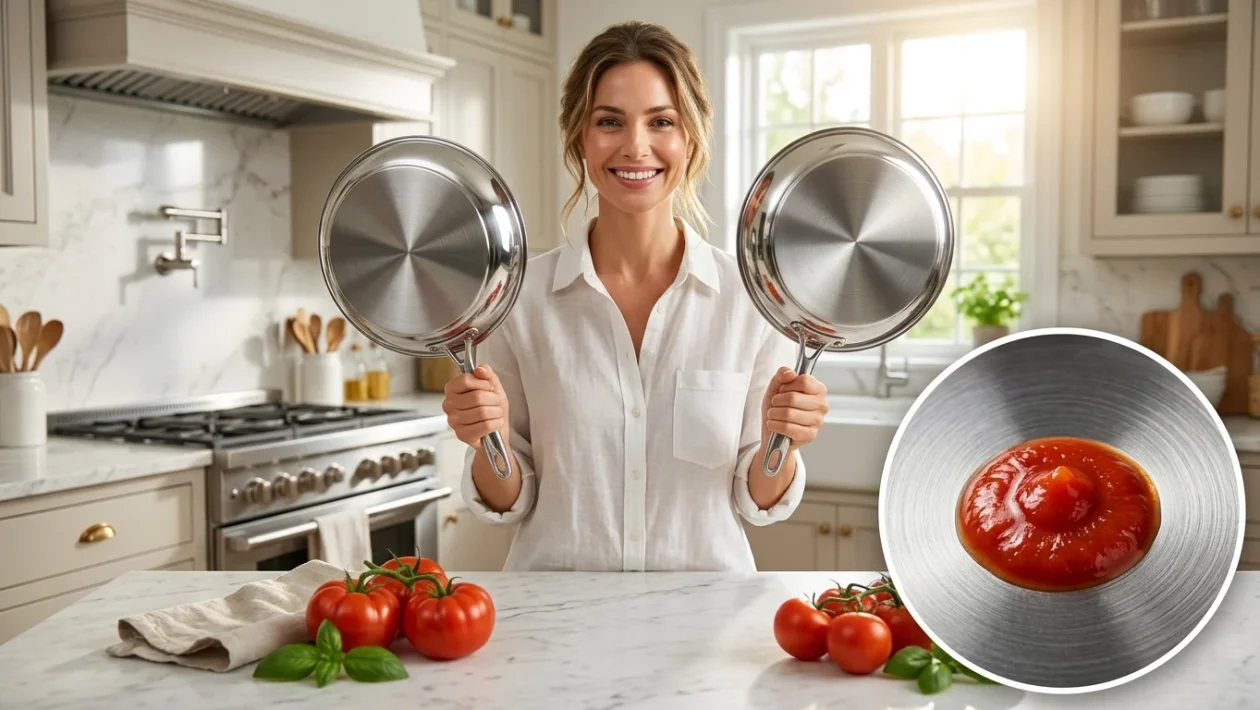
A set of stainless steel cookware placed on a kitchen counter.
The Standard Choice: Grade 304
Social media platform Threads has recently become a hub for cookware debates. User Melissa Aliyya broke down the structural differences, pointing out that grade 304 is the industry standard for a reason.
For the average home cook, 304 stainless steel hits the sweet spot. It offers excellent rust resistance and is built to last through decades of standard meal prep.
Whether you are boiling rice, simmering basic soups, or pan-frying, this grade gets the job done.
Aliyya notes that buyers do not need to empty their wallets for more expensive grades if they only do standard daily cooking.

A close-up view of the numeric grade stamped on the bottom of a steel pan.
The Premium Upgrade: Grade 316
If 304 is the reliable workhorse, grade 316 is the premium upgrade. The secret lies in a specific chemical addition called molybdenum.
This element dramatically increases the metal’s resistance to heavy corrosion.
Aliyya recommends grade 316 for cooks who frequently prepare highly acidic meals. If your weekly menu relies heavily on tomato sauces, vinegar-based reductions, or heavy citrus, this premium steel prevents pitting and chemical breakdown over time.