Scorching temperatures and hosepipe bans have left countless yards looking like barren wastelands. Dry, brown grass and wilting flowerbeds are sparking panic among homeowners.
But local experts say it is far too early to give up on your landscape. With a little patience and the right strategy, your garden can completely recover.
The Grass Is Dormant, Not Dead
A completely dried out, brown residential lawn suffering from severe drought.
With three massive heatwaves triggering drought status in regions across Wales, the West Midlands, East Anglia, and Hertfordshire, the outlook for suburban lawns seems grim.
Yet horticulturists offer a simple reassurance: the grass will bounce back when the rain returns.
John Cushing, owner of the award-winning Goldstone Hall Hotel & Gardens in Shropshire, emphasizes patience.
“Grass is remarkably resilient and won’t die because of a period of drought,” Cushing said.
Close-up of parched, yellow grass blades in a sun-baked yard.
BBC radio broadcaster Darren Rudge, known as the Laughing Gardener, echoes this sentiment from his base in Bloxwich.
“The roots are alive, it’s totally OK and you do not need to worry about your lawn,” Rudge noted. He describes the brown grass as sleeping rather than dead.
Cushing’s primary advice is to simply let nature take its course. Aside from trimming wild grass seed heads to stop them from spreading, homeowners should leave their yards alone.
Prepping the Soil for Rain
When rain finally breaks the dry spell, heavily baked soil often causes water to run off rather than soak in.
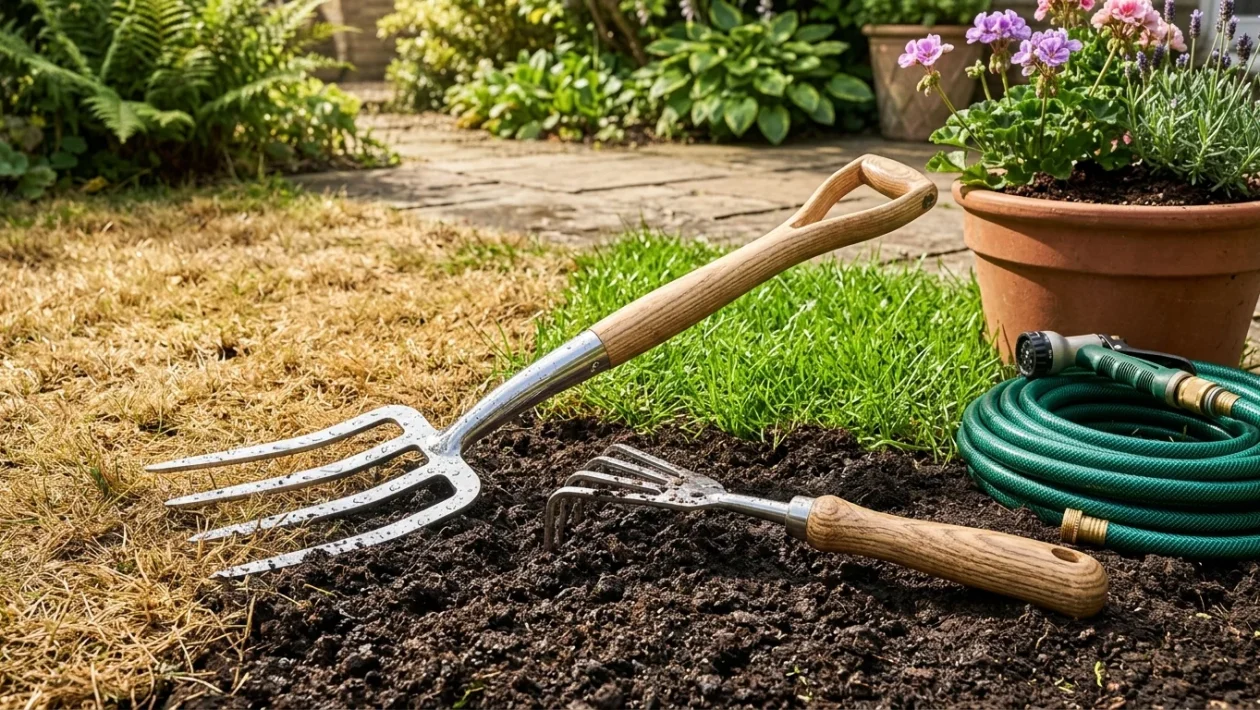
Daniel Puicar, head gardener at Middleton Hall and Gardens near Tamworth, suggests scarifying or raking the yard. Dragging a rake in a criss-cross pattern removes moss and breaks up the hard topsoil.
“The jagged edges of the broken soil crust will decrease water run-off, allowing more of the water to seep into the soil,” Puicar explained.

A garden fork pushed into dry dirt to aerate the compacted soil.
He also recommends aerating the ground by pushing a garden fork five to six inches (12-15cm) deep. This creates direct channels for water to reach thirsty roots.
For an added boost, applying a standard wetting agent from a local garden center can speed up the recovery process.
Mowing and Fertilizer Myths
Coventry-based garden designer Jon Norman warns against panicking and attempting drastic landscape repairs.
“Established grass often becomes dormant during prolonged dry weather and, given sustained rainfall and a little patience, it will slowly begin to recover,” Norman said.
He strongly advises against applying fertilizer to stressed or dry grass. Homeowners must wait until the turf is actively growing again before reaching for a mower.
When you do resume mowing, Norman suggests raising the mower blades slightly higher than normal. This protects the surviving blades and helps the soil retain vital moisture.
Bare patches should be ignored until early fall, when cooler temperatures and consistent moisture provide the perfect environment for reseeding.
Rescuing Flowerbeds and Vegetables

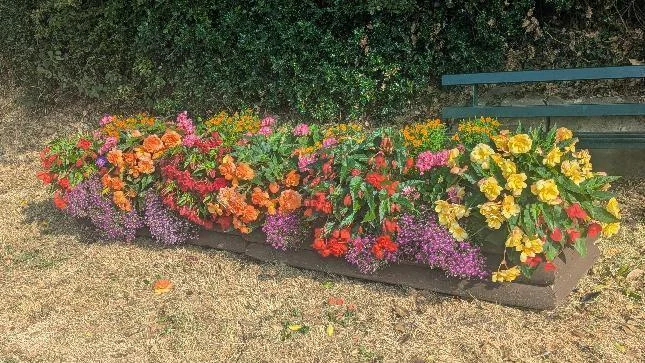
Wilting pink flowers drooping over dry earth under intense sunlight.
Lawns aren’t the only casualties of relentless heat. Hydrangeas, roses, and delicate perennials are wilting under the intense summer sun.
Marie and Tony Newton, owners of the acclaimed Four Seasons Garden in Walsall, say timing is everything when rationing water.
They advise watering only during the coolest parts of the day—either early morning or late evening.
“This allows water to reach the plant roots before it evaporates and avoids scorching of delicate foliage,” the Newtons explained.
The couple also recommends deadheading blooming plants and trimming perennials to help them conserve energy. Potted plants should be relocated out of direct sunlight, and transplanting must be avoided entirely during a drought.

A gardener using a watering can to hydrate specific plants carefully.
For delicate vegetable plots, Telford allotment owner Maggie Bull faces a tough balancing act. She knows water conservation is critical but refuses to let a year of labor wither away.
“If we don’t water these vegetables they will die and our whole year’s work will have gone,” Bull said. Her strategy is to water sparingly, targeting only the most vulnerable crops.
Darren Rudge agrees with this targeted approach. He suggests using a watering can instead of a hosepipe to accurately track water usage and prioritize new or young plants.
Designing for a Hotter Future

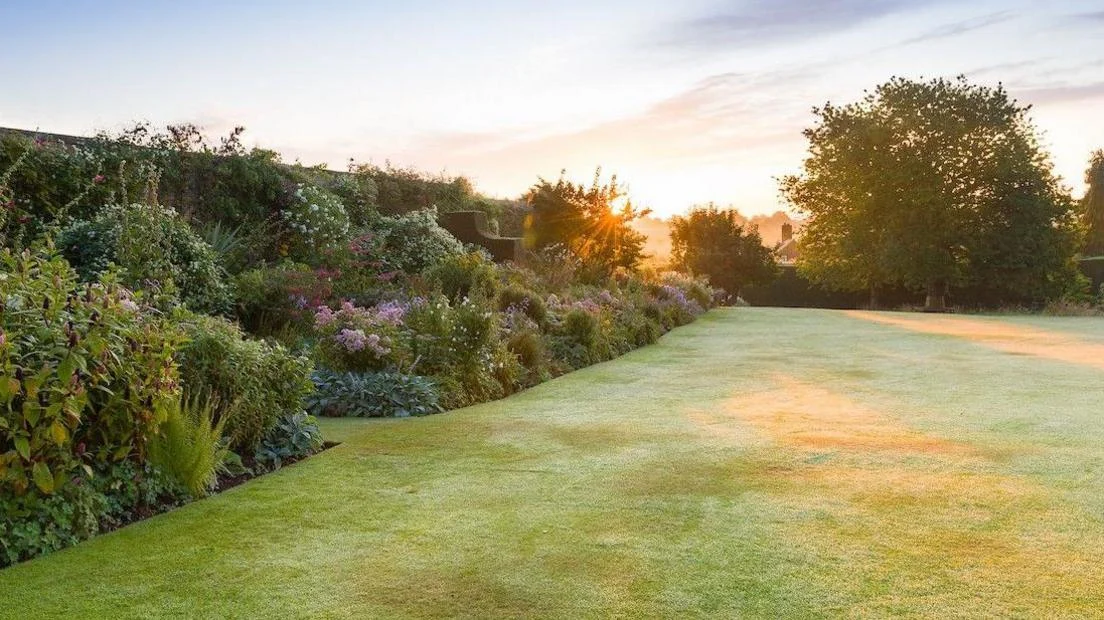
A lush, drought-resistant garden designed to withstand extreme summer temperatures.
With scientists warning that intense summer heatwaves will become the new normal across the UK, garden strategies must evolve.
The Newtons plan ahead by letting their grass grow longer in the days leading up to a forecasted heatwave, insulating the soil naturally.
However, long-term survival will require a fundamental shift in how we approach landscape design.
“Future gardens will need to be designed with greater resilience in mind,” Jon Norman noted. He envisions a pivot toward drought-tolerant plants, aggressive water conservation systems, and a shift away from closely mown lawns.
Daniel Puicar recommends taking notes right now on which plants thrive and which fail under heat stress. The horticulture industry, he adds, is overdue for a broader conversation about engineering landscapes capable of surviving massive extremes between very wet winters and bone-dry summers.