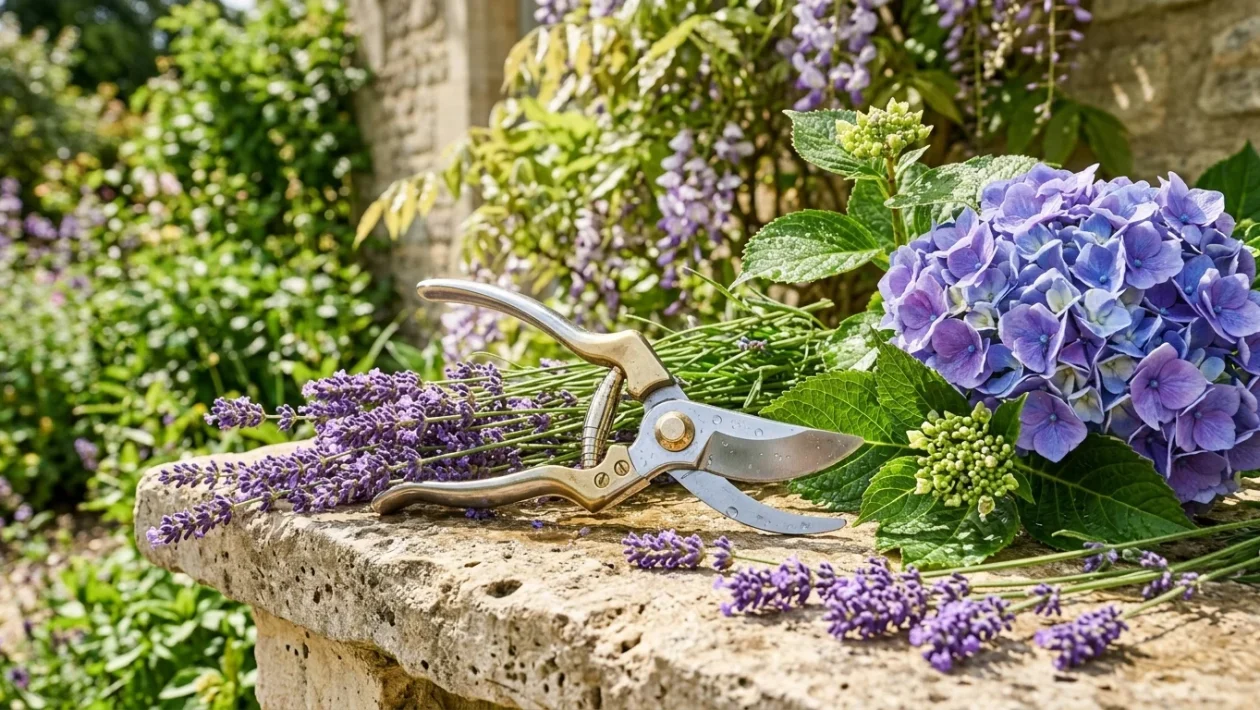
August delivers the final stretch of intense summer heat, making it a critical month for outdoor maintenance. It is the ideal time to grab your shears and tackle essential gardening jobs before fall arrives.
Pruning right now encourages fresh growth, shapes unruly branches, and eliminates diseased foliage. However, timing and technique vary wildly depending on what is growing in your yard.
Here are the five plants you need to prune this August, along with the strict rules for handling them correctly.
Lavender
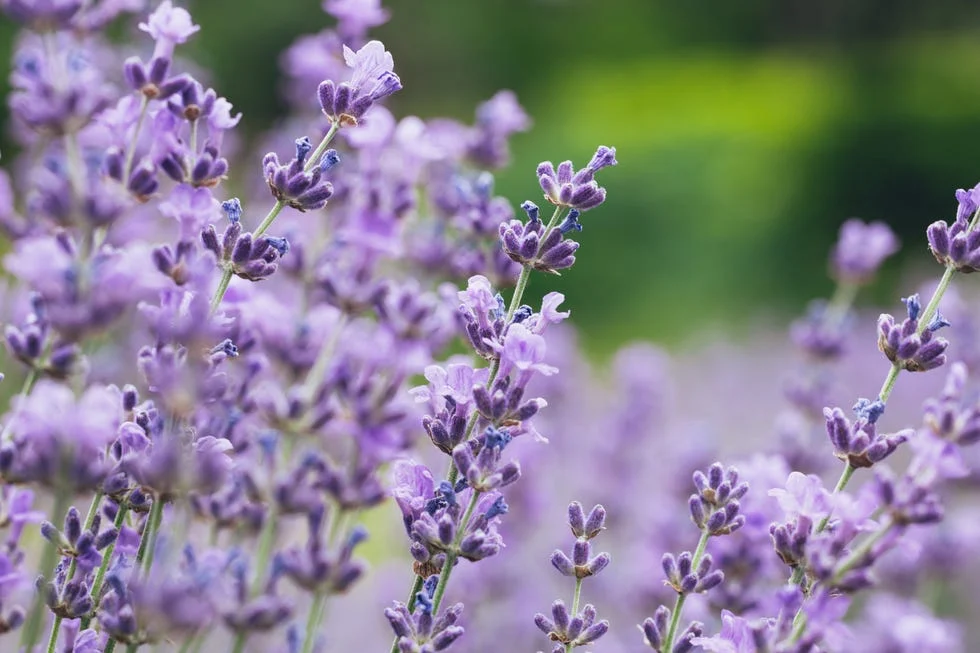
Vibrant purple lavender bushes blooming under bright sunlight
Known for its unmistakable scent and drought tolerance, lavender thrives in warm, breezy environments. If ignored, this perennial flowering plant quickly turns woody and unruly.
Richard Barker, commercial director at LBS Horticulture, laid out the rules to Country Living: “When left alone, lavender can become woody, so it will need to be pruned in late summer after flowering has finished to keep the plant compact.”
Barker advises removing faded flower stalks and roughly one inch of leaf growth. Never cut back into the woody core unless you are removing damaged stems, as this can permanently stunt regrowth.
“Ideally, lavender should not be pruned any later than autumn or six weeks before the first frosts are expected, as the plant will need several weeks to recover from being pruned,” Barker adds.
Hydrangea
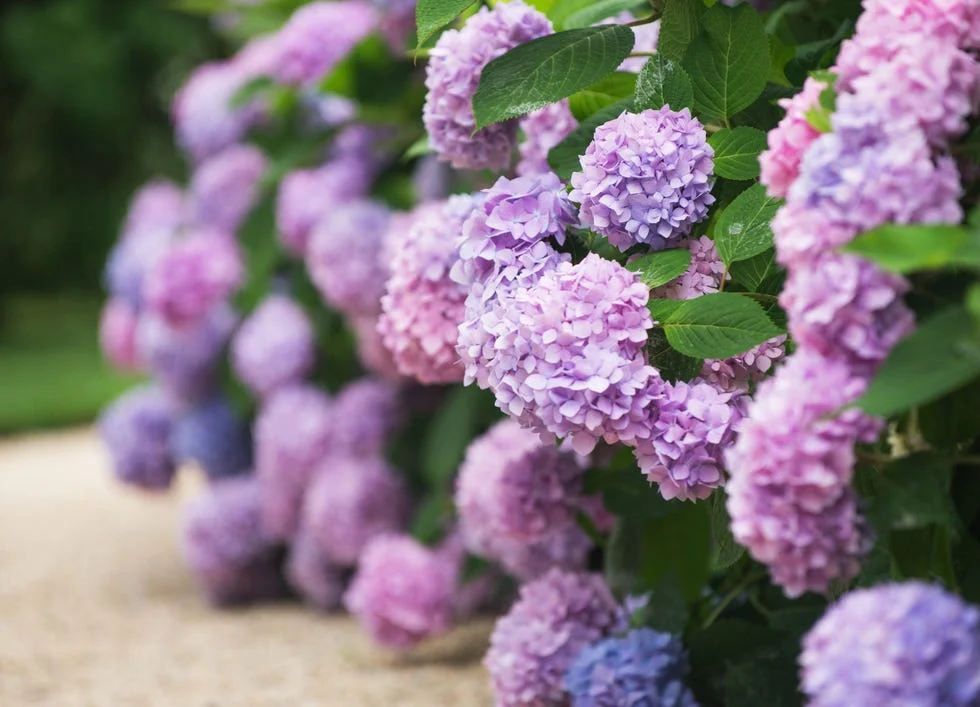
Large hydrangea blossoms growing beside green leaves
Hydrangeas are beloved for their massive, blowsy blooms and ability to thrive in dappled shade. But not all hydrangeas are ready for an August trim.
“The only type of hydrangea that should be pruned in summer is climbing hydrangea,” Barker tells Country Living. Because it produces flowers on the previous year’s shoots, pruning immediately after flowering gives the plant time to develop new flowering wood for next season.
You should prune back flowered shoots and shorten excessively long new growth. Since most flowers form near the top, leave that upper section alone or trim it very lightly.
If you plan to cut an established climbing hydrangea back hard, stagger the process over a few spring seasons to avoid losing all your flowers. Barker advises against severely cutting back any hydrangea that grows on old wood.
“If you are unsure as to what kind of hydrangea you have in your garden, the best option is to deadhead the plant and then observe how it grows after this,” he explains.
Wisteria
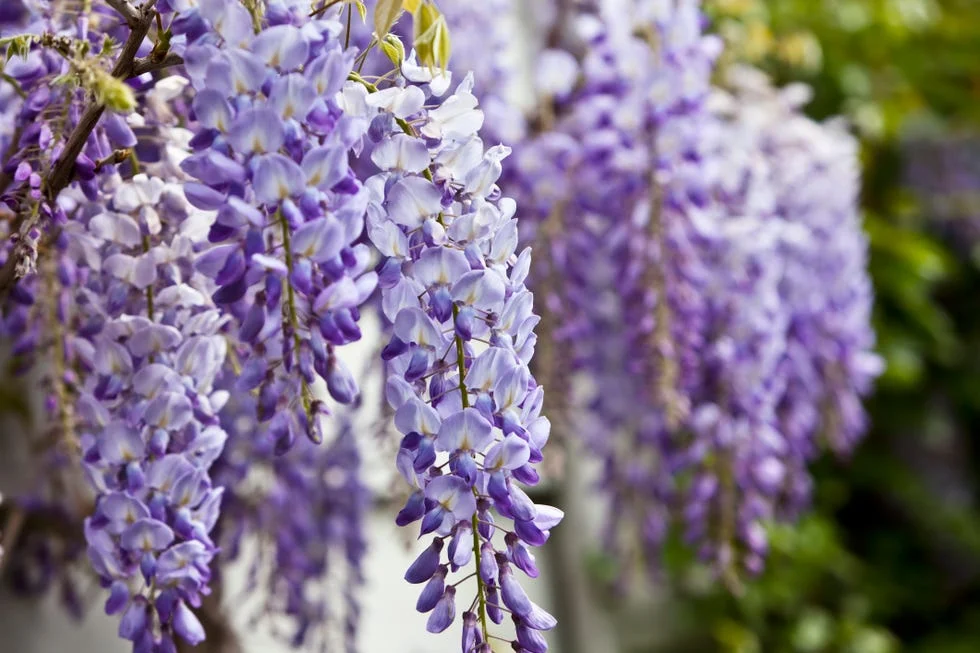
Cascading purple wisteria flowers hanging from a structured garden support
Wisteria is an aggressive, towering climber that easily scales trees up to 10 meters or walls up to 20 meters. To keep it in check and blooming profusely, you must prune it twice a year: once in July or August, and again in January or February.
“Summer pruning allows better air circulation around the plant and enables more sunlight to reach the young growth, which encourages the wood to ripen and improves flower bud formation,” Barker says.
After wisteria finishes flowering in August, snip back the whippy green shoots from this year’s growth, leaving just a few leaves. This forces the plant to prioritize flower buds over excessive foliage.
Do not hard prune in the summer. Wisteria needs its remaining foliage to generate food and recover. For younger plants, focus on snipping low branches and training strong side shoots into your support structure.
Roses
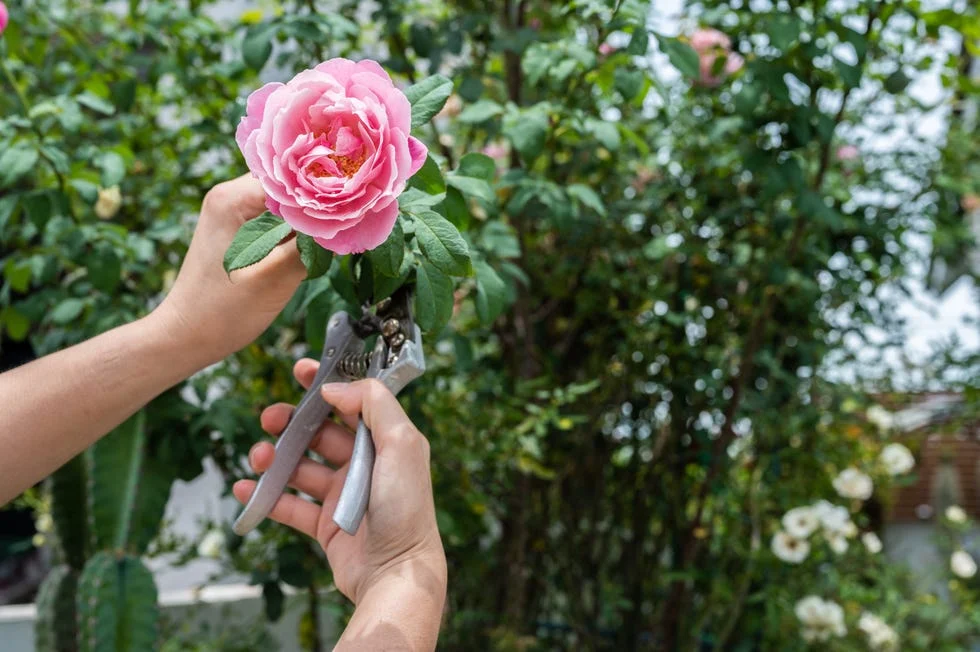
Person carefully deadheading pink roses with pruning shears
Roses require fertile, well-drained soil to deliver their show-stopping blooms. When it comes to late summer maintenance, restrict your cuts to rambling varieties.
“In summer, only rambling roses should be pruned after they have produced flowers and hips,” Barker tells Country Living. Trim younger rambling stems back by roughly 40cm and strip away dead or twiggy growth.
If you are working with an older, restricted plant, thin out excessive bulk and remove the stems that have already flowered.
Barker strongly advises against pruning before rainfall, as splashing water easily transfers fungal spores into fresh cuts. Always use sloping cuts to deflect water away from the buds, and avoid cutting too close to the bud itself.
Apple and pear trees
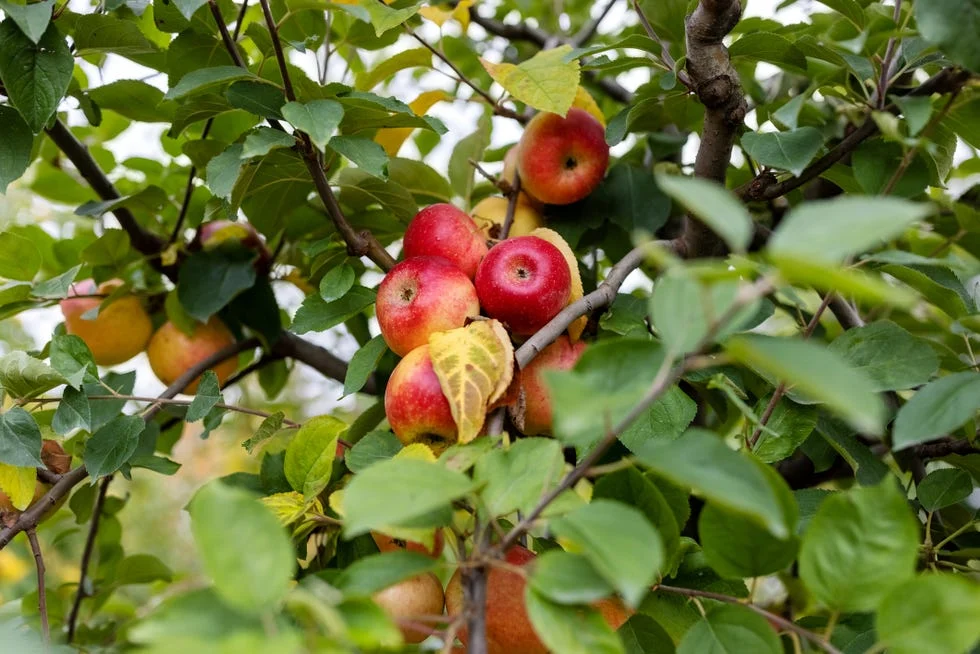
Green apples growing heavily on a fruit tree branch in a backyard
Fruit trees require strategic maintenance to yield a heavy harvest. If your apple and pear trees are trained as restricted forms—like espaliers or cordons—August is the time to prune.
Standard or bush varieties should be left entirely alone until winter. You will know your restricted trees are ready when the bottom third of the new shoots turn stiff and woody. Pears generally hit this stage before apples.
“Cut back new shoots that are more than 20cm long and growing from the main stem to a few leaves above the basal cluster of leaves,” Barker says.
Leave any new shoots shorter than 20cm alone, as they often terminate in fruit buds. If new shoots are sprouting from existing side shoots, cut them down to a single leaf above the basal cluster. Any vigorous, perfectly upright growth should be sliced off completely.