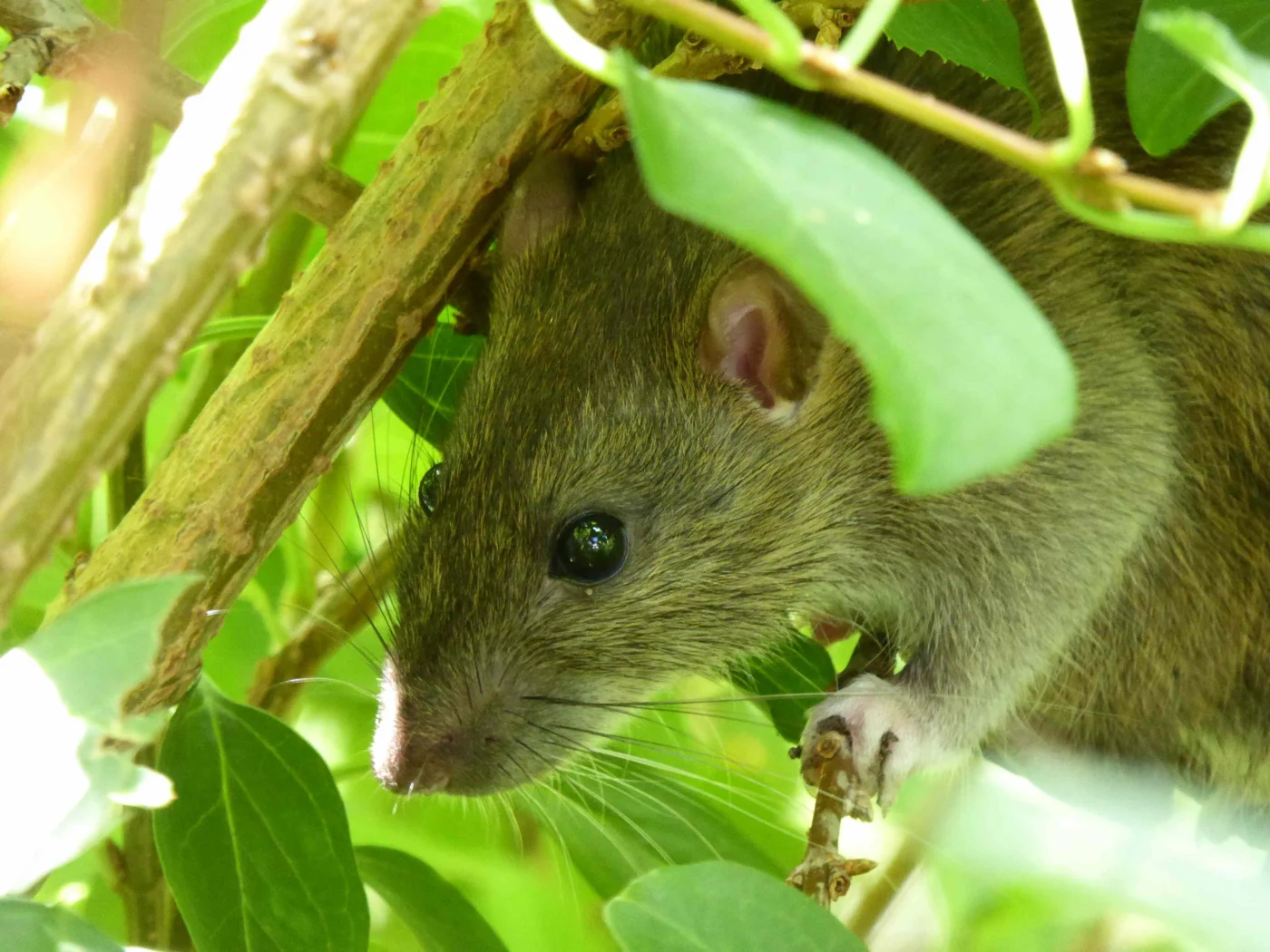
A wild rat searching for food among outdoor garden plants
Most pest control efforts stop at the front door. But a rodent infestation in your backyard can swiftly decimate your vegetable harvest and pose severe health risks.
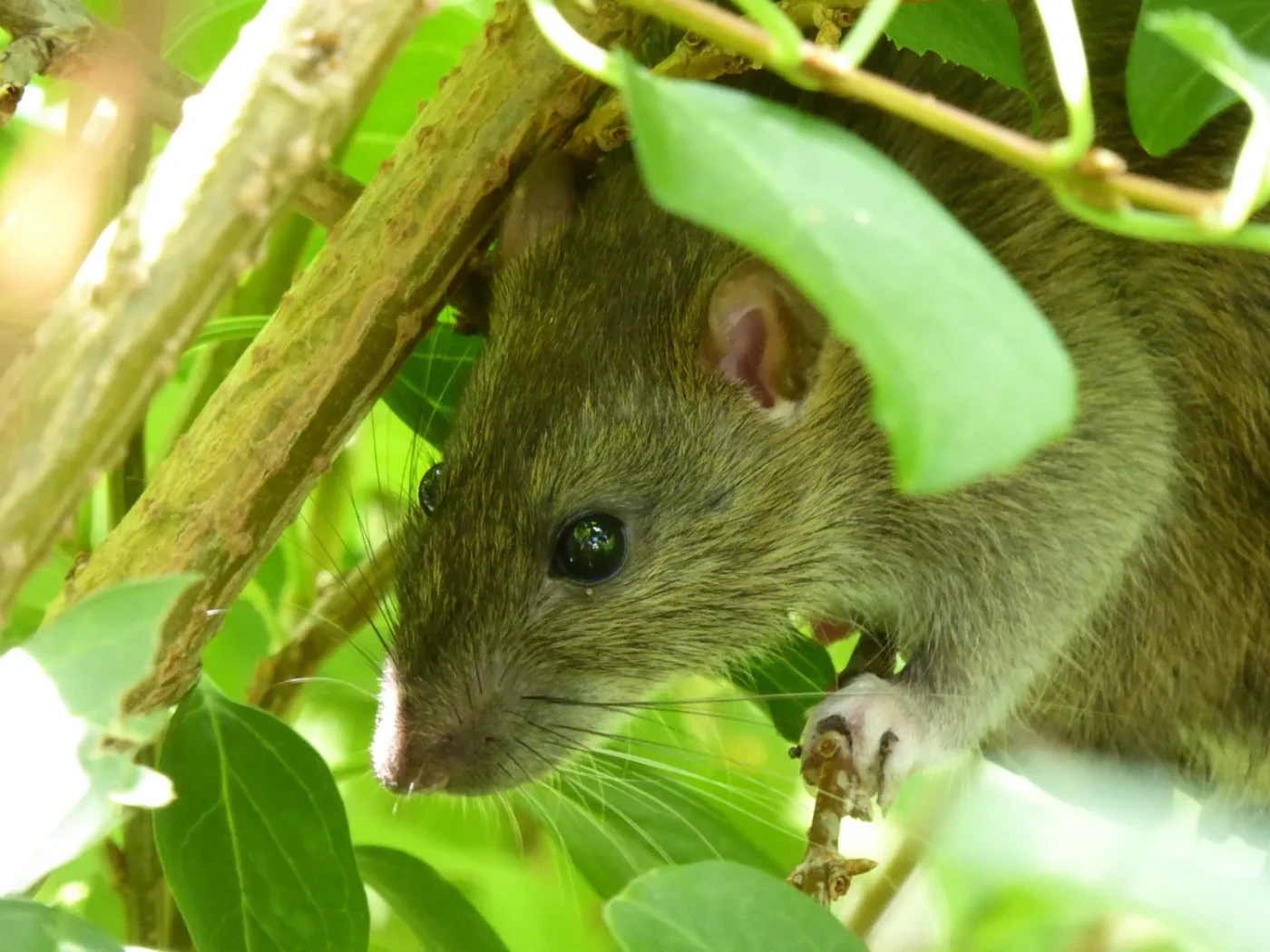
A rat navigating through garden foliage
According to Christopher Hayes, Ph.D., an assistant professor and extension specialist at North Carolina State University, wild animals readily exploit cultivated spaces. While rats might occasionally nibble on flower buds and leaves, they do their real damage in food gardens and orchards.
The Health and Harvest Risks
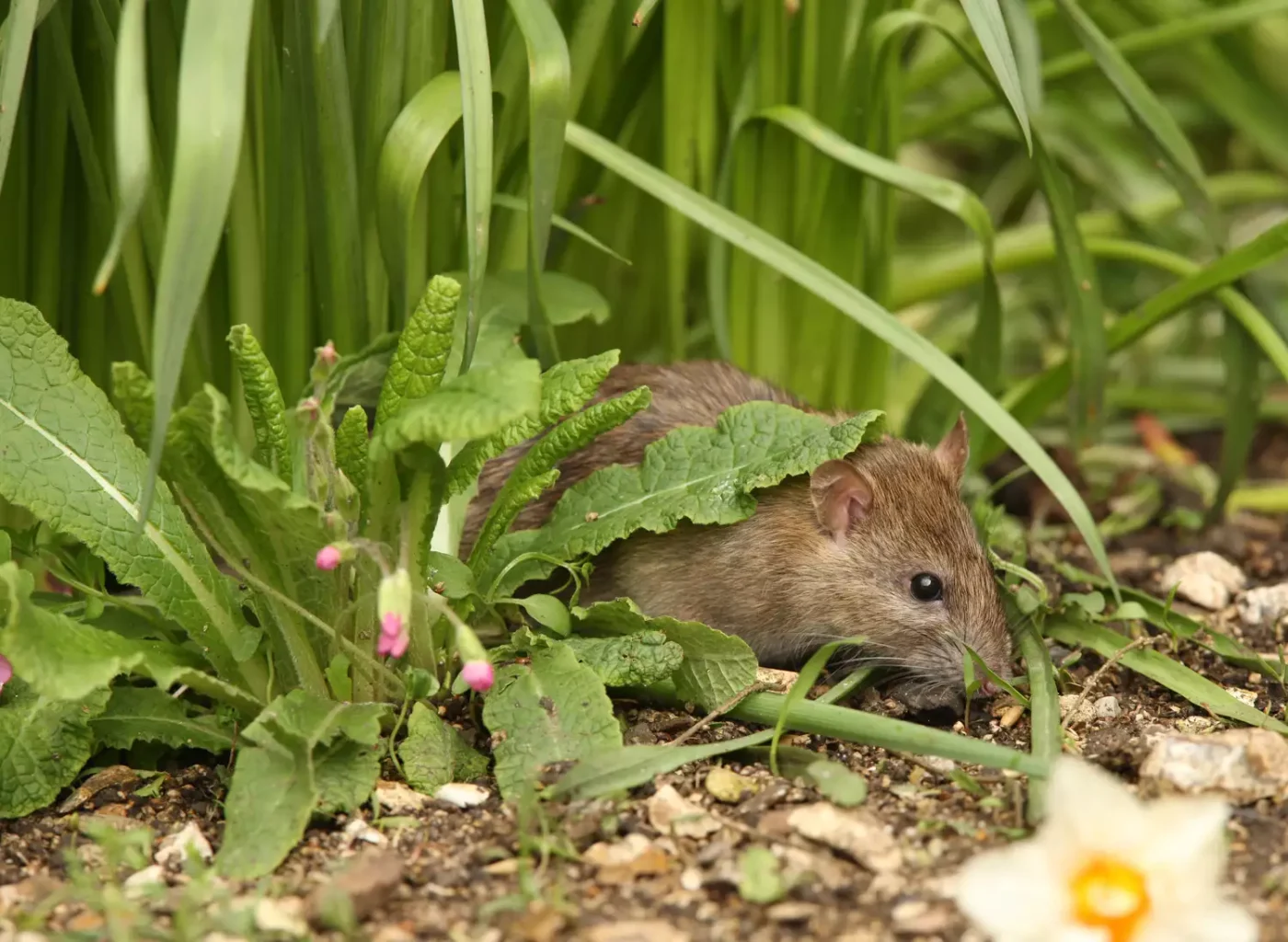
A brown rat standing on dirt near garden vegetation
Rats actively target ripe or nearly ripe produce. They view compost heaps as a constantly restocked buffet.
“In these spaces, rats can become pests of the crops we grow, feeding on ripe or nearly ripe produce and reducing our yields,” Hayes says.
Beyond ruined tomatoes, rats introduce serious pathogens to the soil and edible plants. These rodents carry diseases like salmonella, leptospirosis, and listeria.
“Rodents of all kinds can carry disease in their bodily fluids,” Hayes explains. He emphasizes that while direct risk outdoors might be lower than indoors, proximity to rodent feces and urine is always a health hazard.
Spotting the Damage
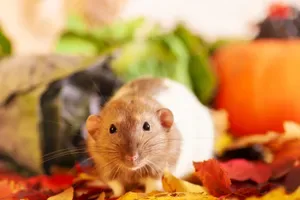
A close-up view of a rat moving through garden debris
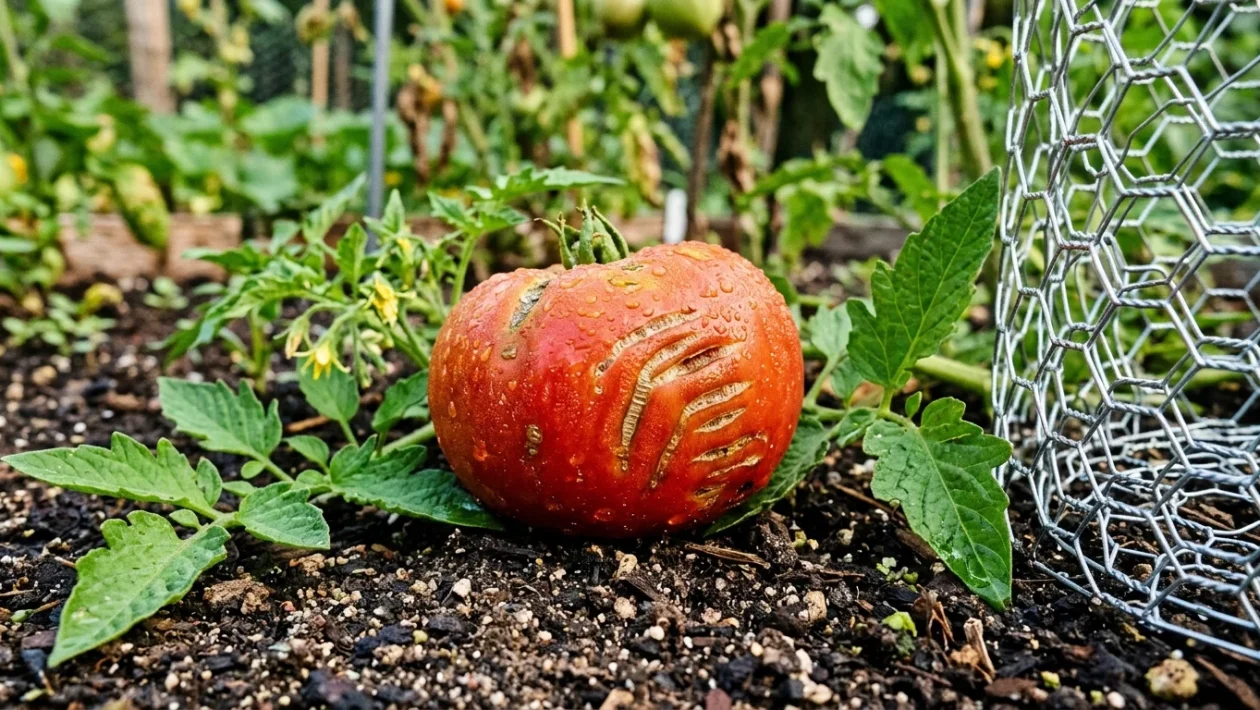
Rats are nocturnal feeders. The most obvious sign of their presence is parallel grooves on half-eaten vegetables, left behind by their long, straight incisors.
Their preferred menu includes sweet corn, tomatoes, apples, strawberries, pumpkins, squash, seed-bearing plants, and root vegetables.
A wild rat standing alert outdoors
You may also spot 1- to 3-inch burrows crisscrossing your garden beds. Chewed plastic, gnawed wood, and torn seed bags are absolute confirmation that rodents have moved in.
Because microscopic pathogens are invisible, any suspected rat damage means you must act immediately to secure your harvest.
Poison-Free Removal Tactics
A rat exploring a residential garden area
Using toxic bait outdoors is a dangerous mistake. Poisons travel swiftly up the food chain, ultimately killing natural predators like owls, hawks, foxes, and household pets. Instead, rely on environmental modifications.
Eliminate the Clutter
Rats thrive in overgrown, neglected spaces. Mow your lawn regularly and prune back dense shrubs.
Keep firewood stacked neatly and elevated off the ground to eliminate nesting spots, and clear out any yard debris you no longer need.
Cut the Food Supply
Harvest vegetables the moment they ripen. Pack away summer bird feeders, store bulk pet food in heavy-duty bins, and use rodent-proof feeders for backyard chickens.
Compost piles should be turned frequently and encased in bins lined with fine-mesh hardware cloth.
Leverage Their Paranoia
Rats are strictly neophobic, meaning they fear new objects and sudden changes to their environment. Frequently moving garden furniture or installing ultrasonic deterrents keeps them on edge.
Strong botanical deterrent sprays made from mint, garlic, or rosemary can also effectively drive them away.
Encourage Natural Predators
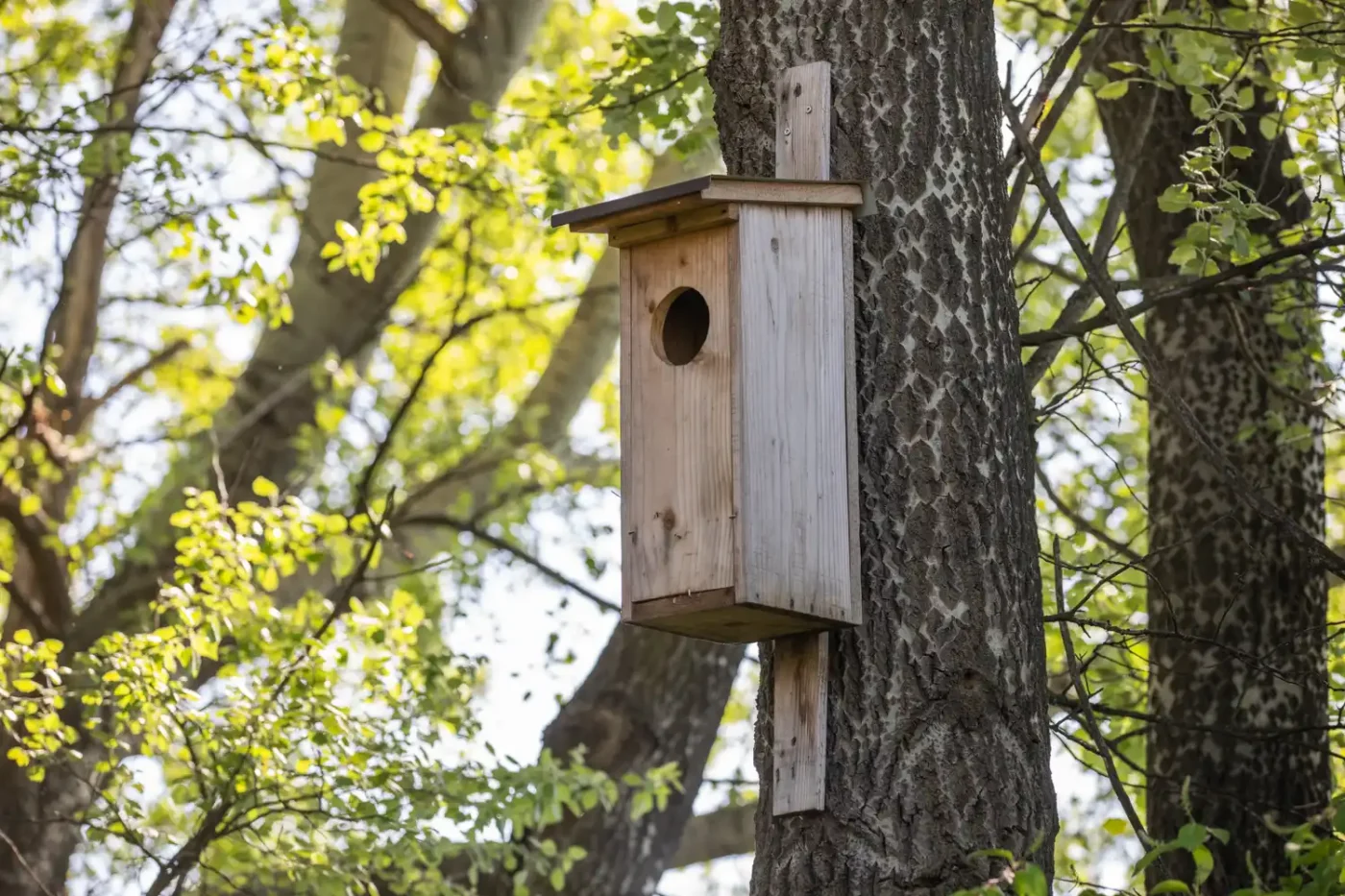
Turn your yard into a hostile environment for prey animals. Install owl nesting boxes to invite birds of prey, and allow your dogs or cats to patrol the perimeter.
If natural deterrence fails, it is time to call in earth-safe pest control professionals. They specialize in trapping and removal methods that protect both your vegetable yields and the local wildlife.