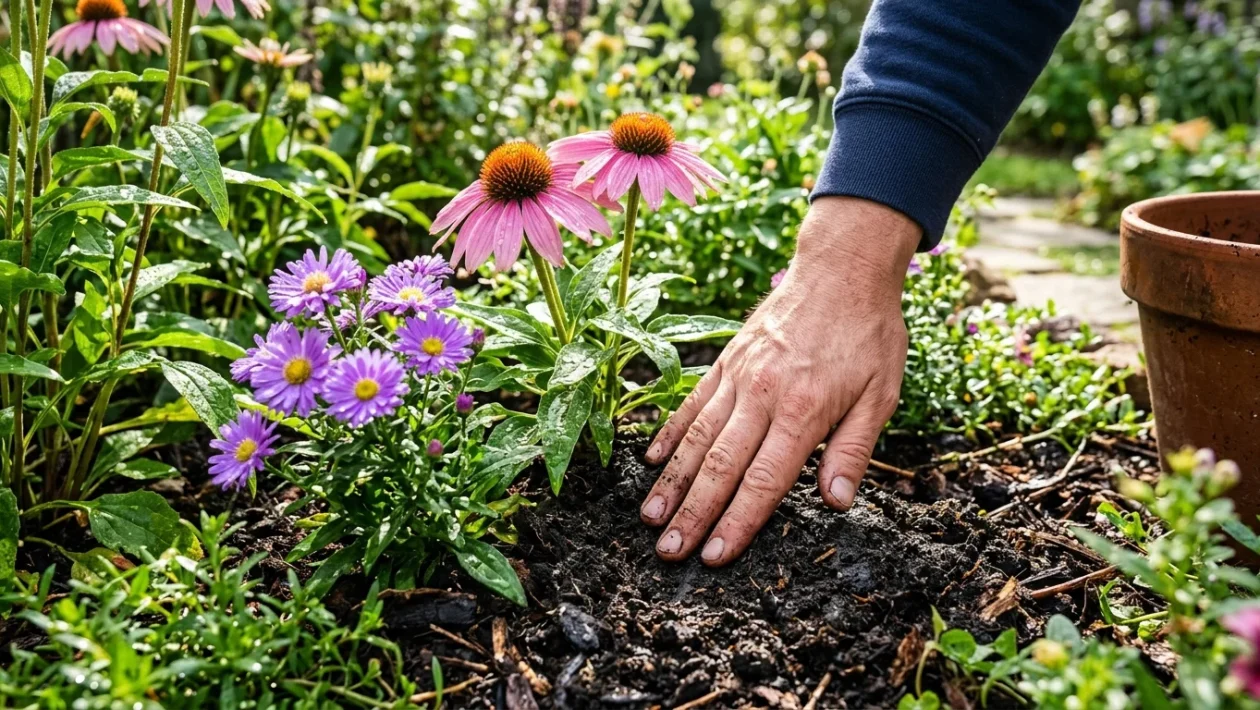
A colorful garden path lined with vibrant late-summer perennial blooms.
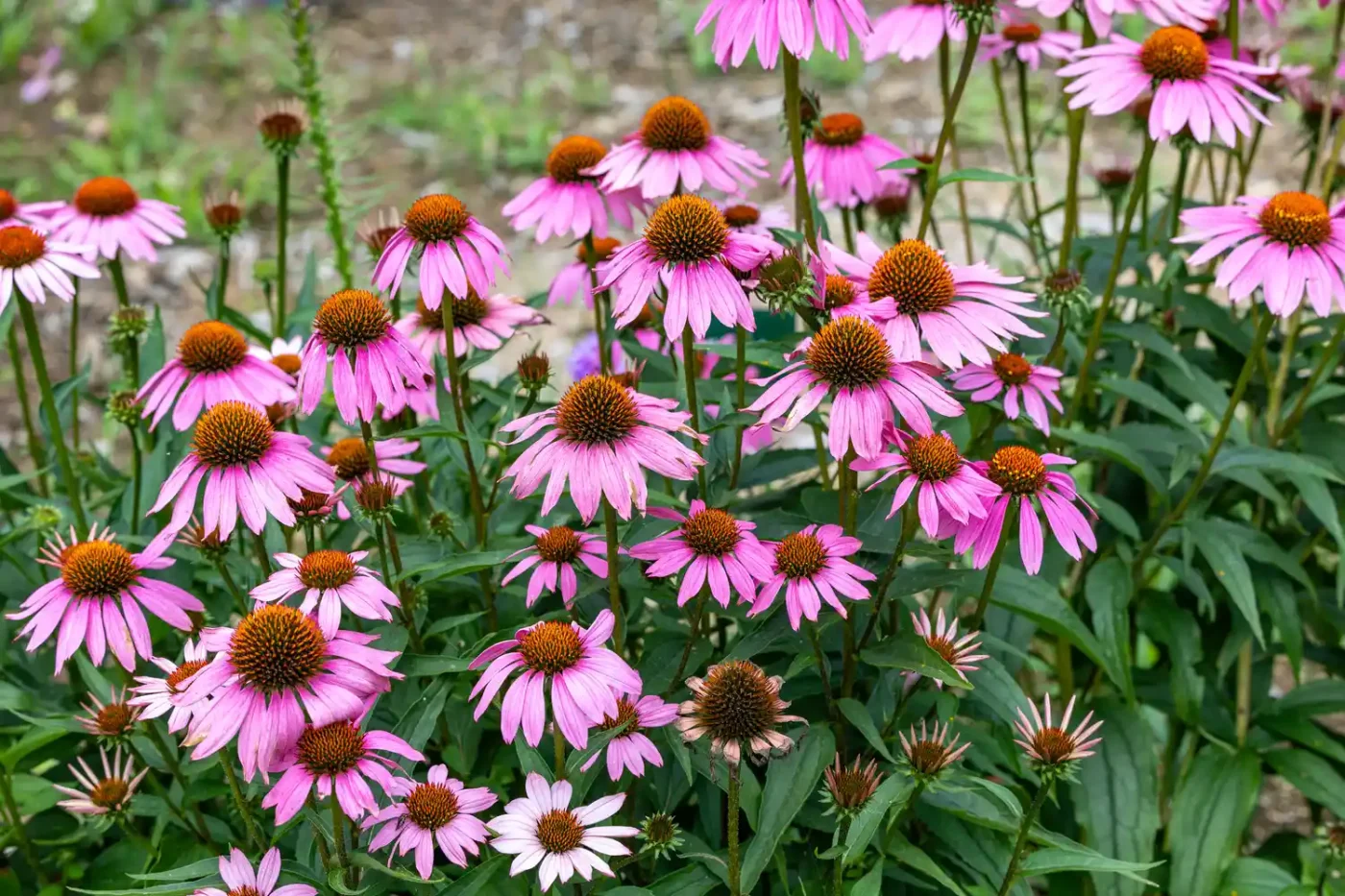
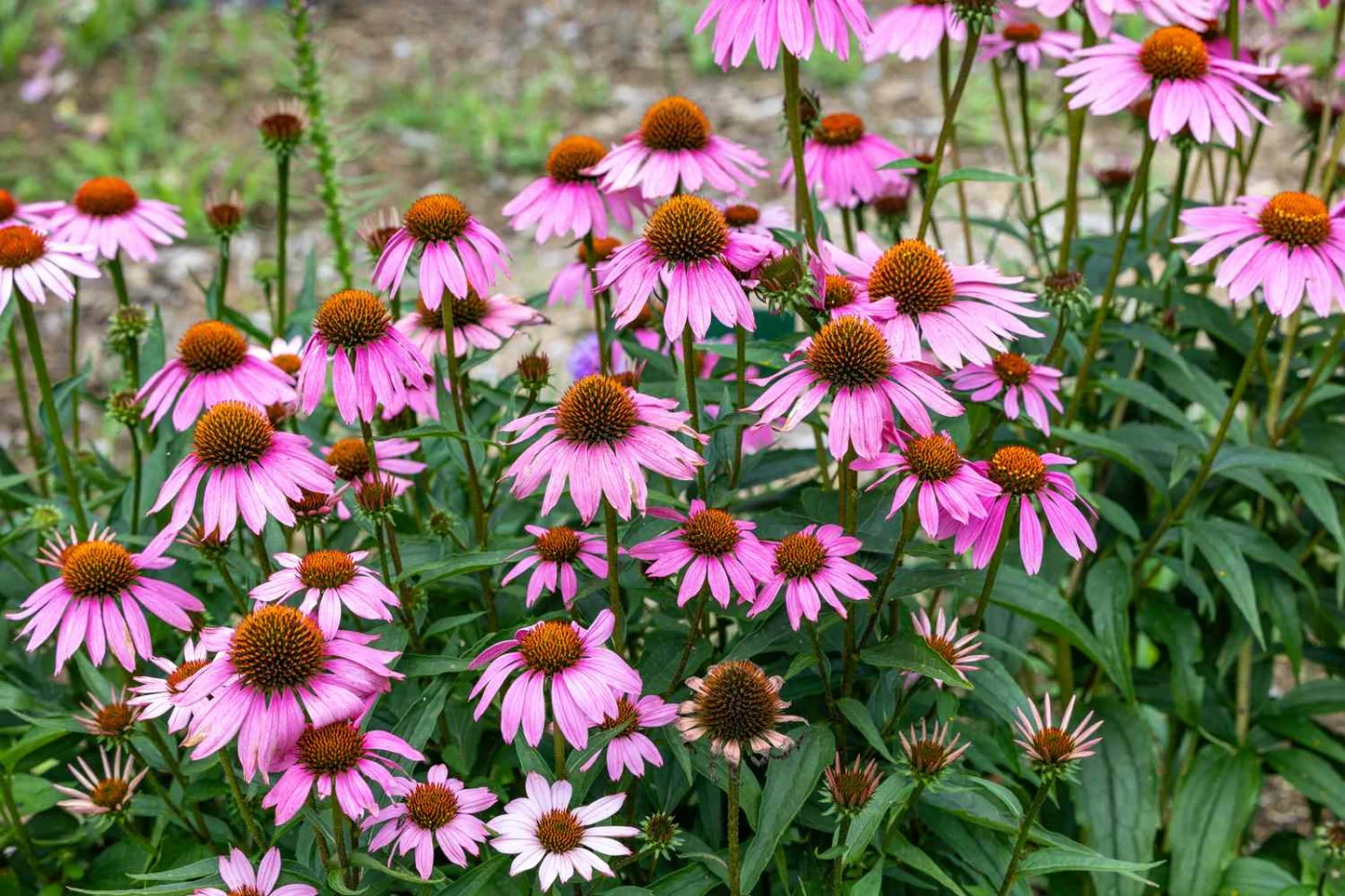
A close-up view of bright perennial flowers thriving in the summer heat.
Summer’s intense heat doesn’t signal the end of your gardening window. Planting certain perennial flowers and herbs in August actually sets up your yard for a vibrant autumn and a robust spring return.
Reem Arbid, co-founder of the Blue Door Kitchen & Inn, relies on late-season planting to maintain her expansive herb, vegetable, and flower beds.
“Having such a large garden, I need it to look full and luscious through the fall season,” Arbid says. “I plant an assortment of flowers like asters, coneflowers, black-eyed Susans, and mums in lots of colors.”
Here are 11 perennials you can confidently put in the ground before summer fades.
Coneflower
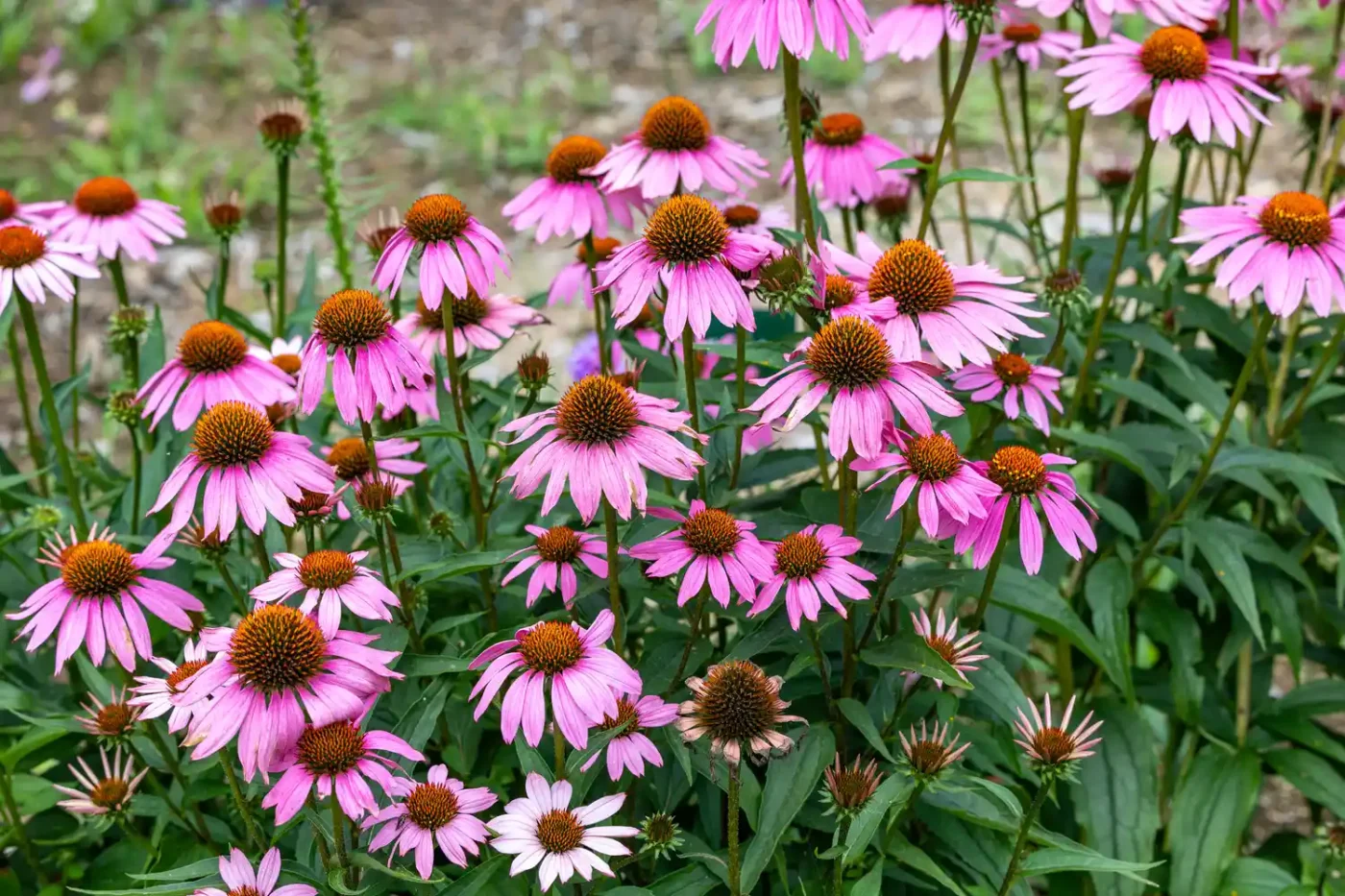
A vibrant pink coneflower blooming outdoors.
Native to North America, the coneflower is one of Arbid’s top choices for late summer planting. This pollinator magnet thrives in warm temperatures and will continue to push out blooms well into autumn.
Getting them in the ground now ensures a strong root system for their spring return.
Irises
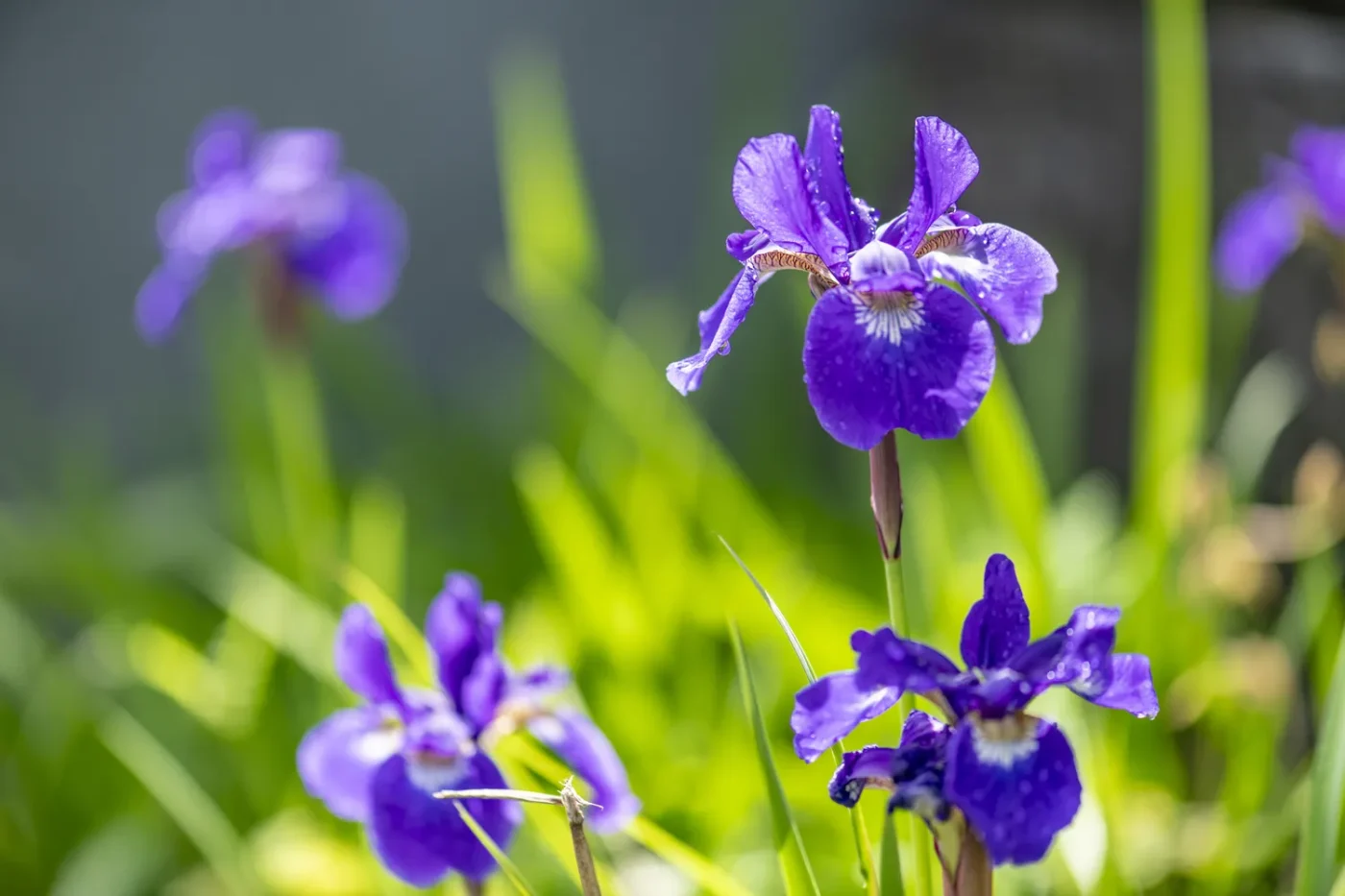
Purple irises standing tall in a lush garden bed.
While irises are famous for their spring and early summer displays, August is actually the optimal time to plant them. Use this late-summer window to plant new bulbs or divide your existing plants.
This gives the roots ample time to establish before cold weather arrives.
Asters
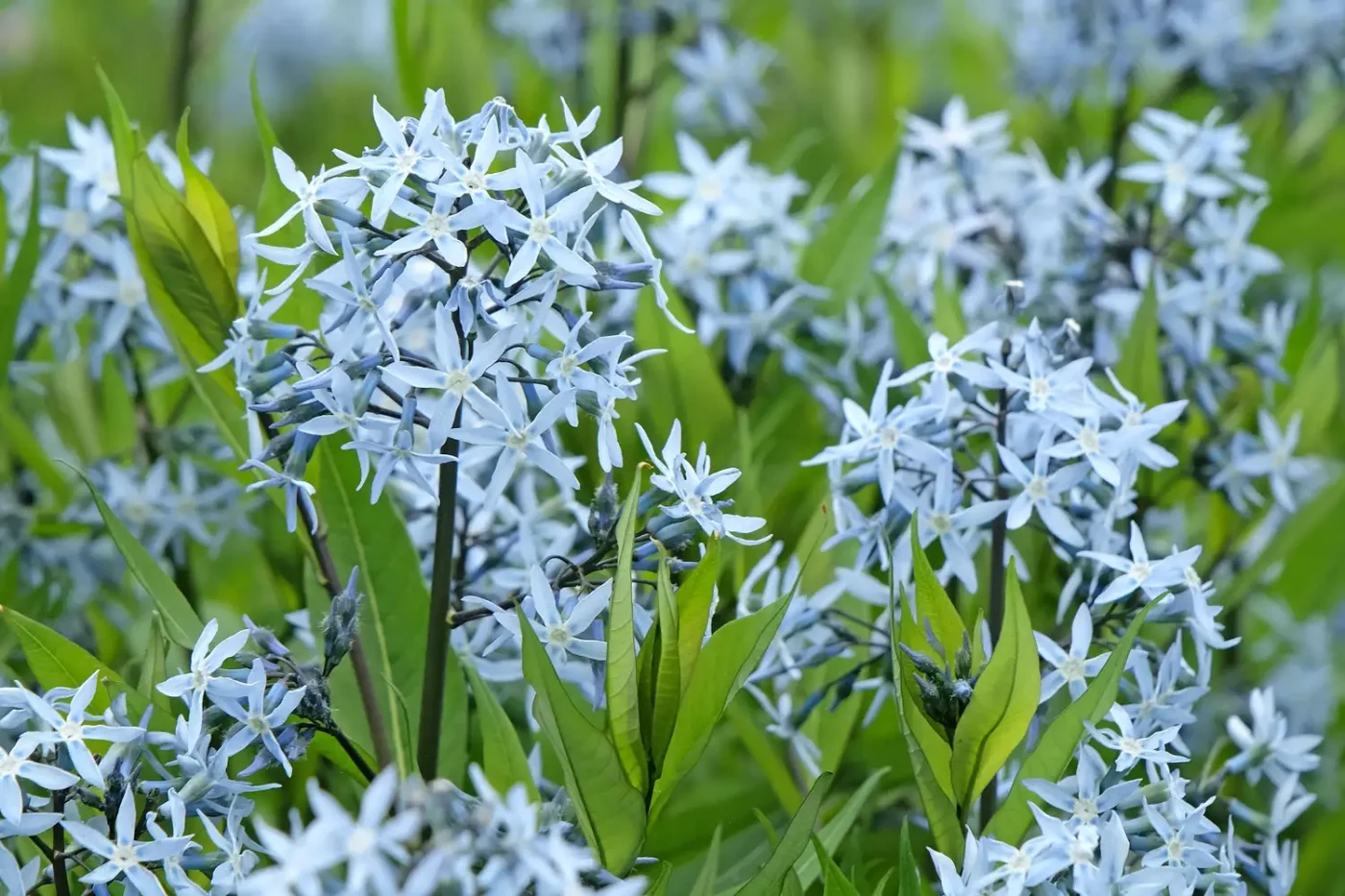
A dense cluster of bright purple aster flowers.
For delicate, vivid color later in the year, asters are a reliable choice. Buy them from a nursery just before they bloom and plant them in partial shade.
Keep them heavily watered through August’s peak heat, and they will reward you with steady fall flowers.
Japanese Anemone
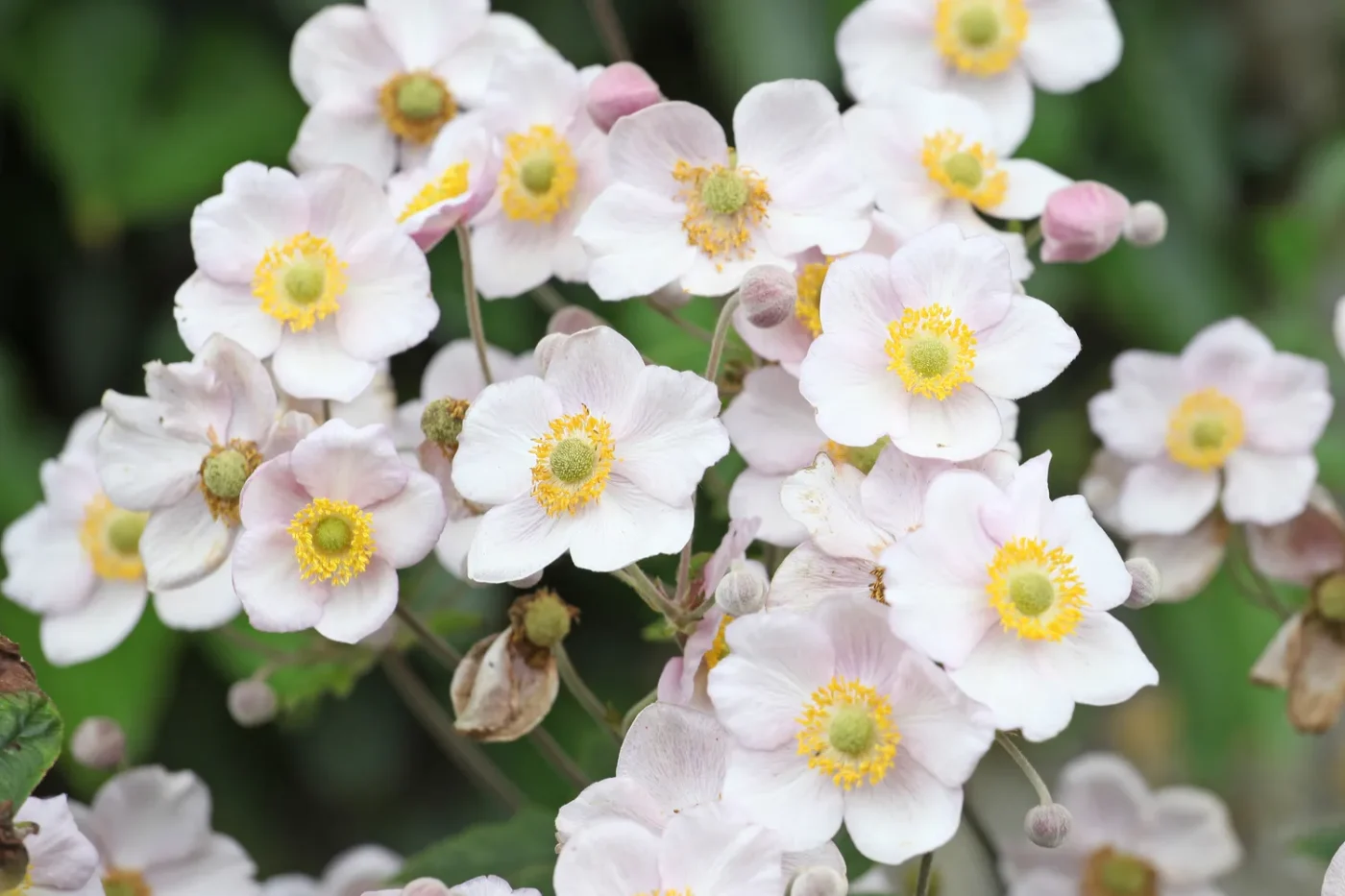
Soft pink Japanese anemone flowers with bright yellow centers.
These tall, five-petaled beauties resemble cherry blossoms and flourish in partial shade. Japanese anemones will blanket your garden in blooms from late summer through fall.
Planting them in August gives them the critical time needed to establish deep roots ahead of their second growing season.
Coral Bells
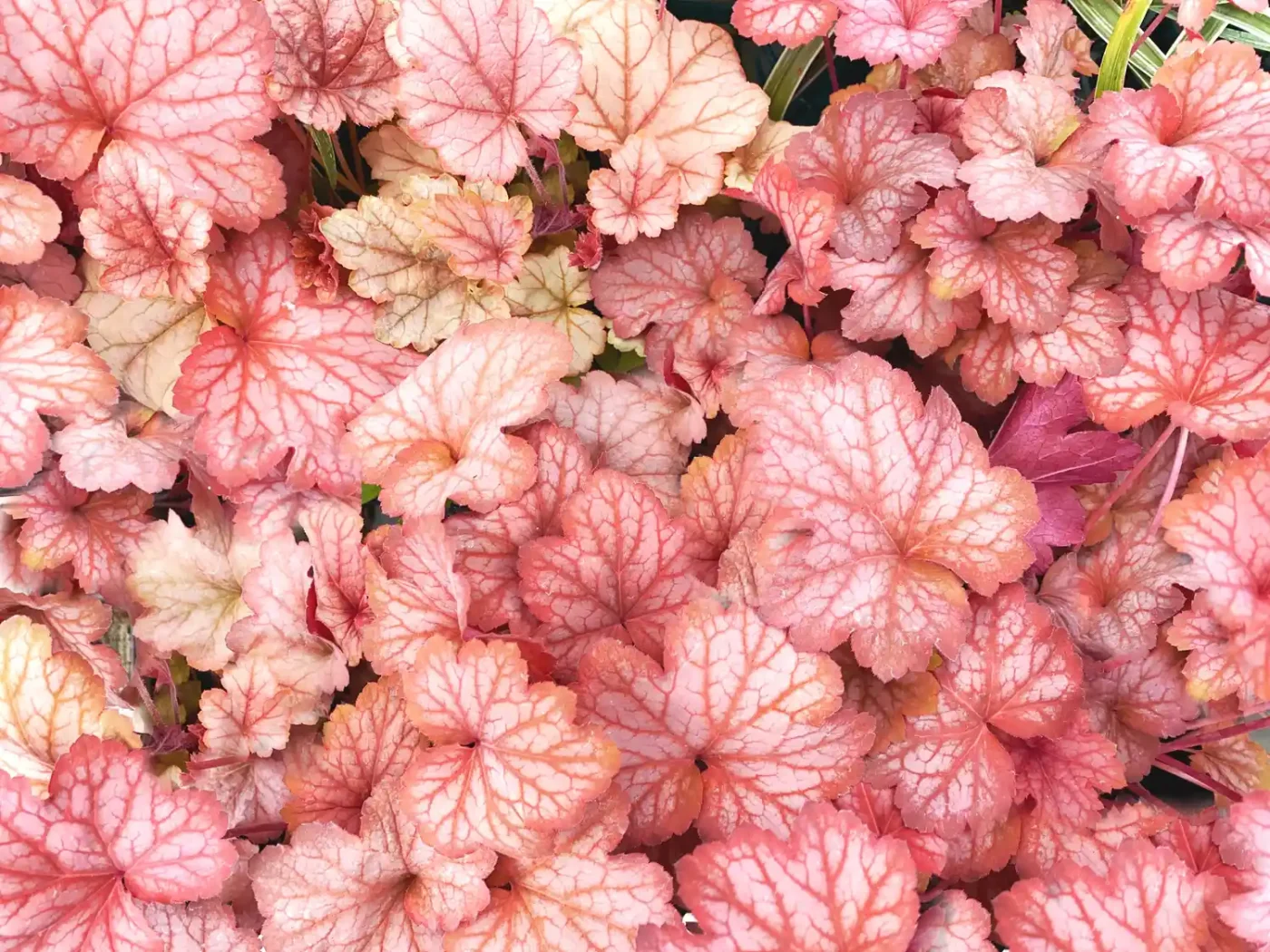
Rich, reddish-purple foliage of coral bells growing in a garden.
Coral bells thrive when planted in late August, just as the weather begins to cool. They require a shady spot and plenty of water.
Tucking them into the soil now guarantees a splash of rich color for autumn while giving you a head start on next year’s landscape.
Daylilies
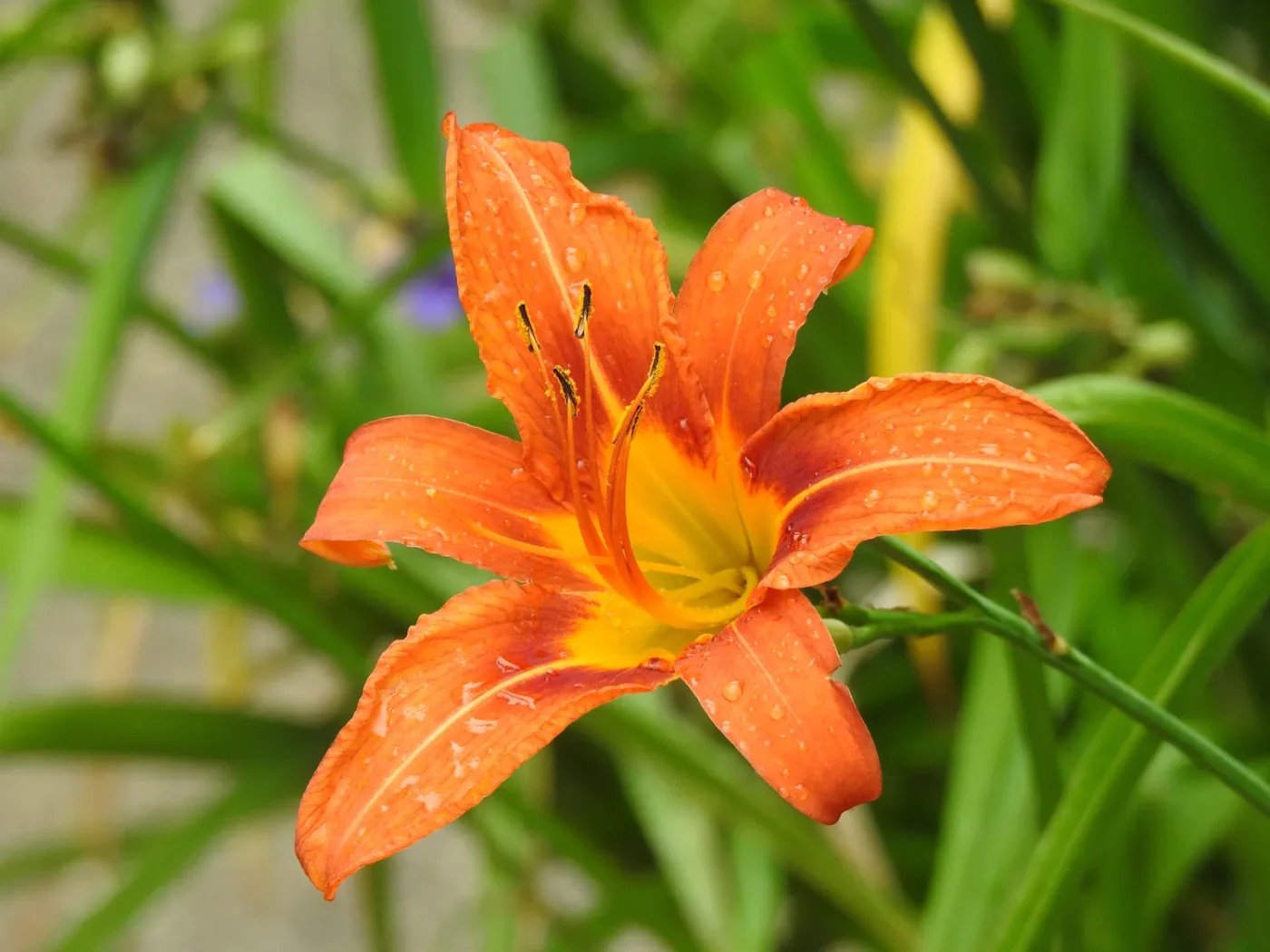
A bright orange daylily flower fully open in the sunlight.
Grown from tough tubers, daylilies are incredibly resilient and tolerate intense heat and direct sun.
While an August planting likely won’t yield immediate blooms this season, it securely anchors the plants. By next spring, they will be fully prepared to deliver a spectacular floral show.
Chrysanthemums
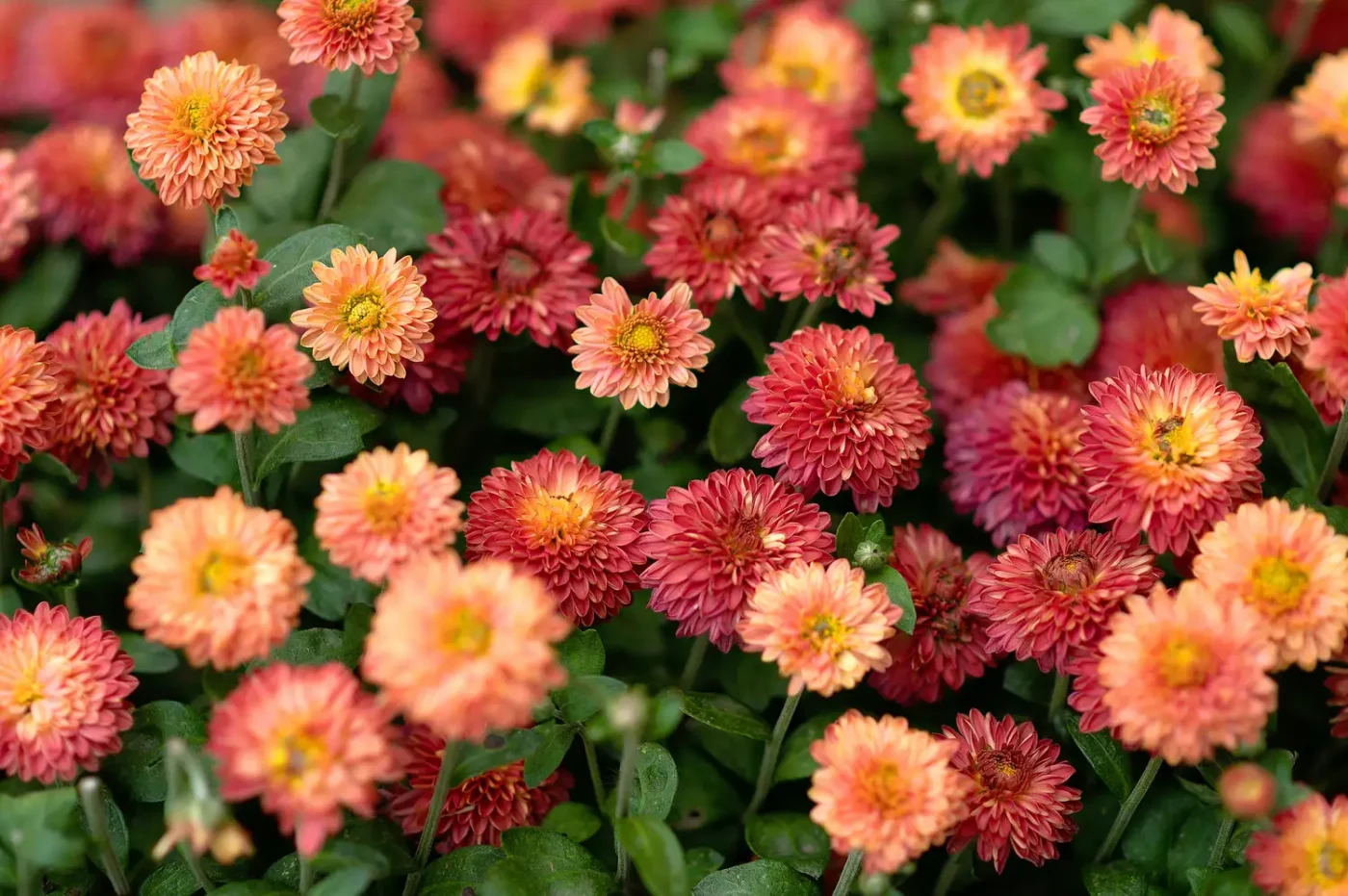
A sprawling mound of reddish-orange chrysanthemums in full bloom.
Nothing signals autumn quite like mums. Available in striking shades of red, orange, yellow, and magenta, these classics bloom from late August through Thanksgiving.
Stick to hardy perennial varieties so they return to your garden year after year.
Sage
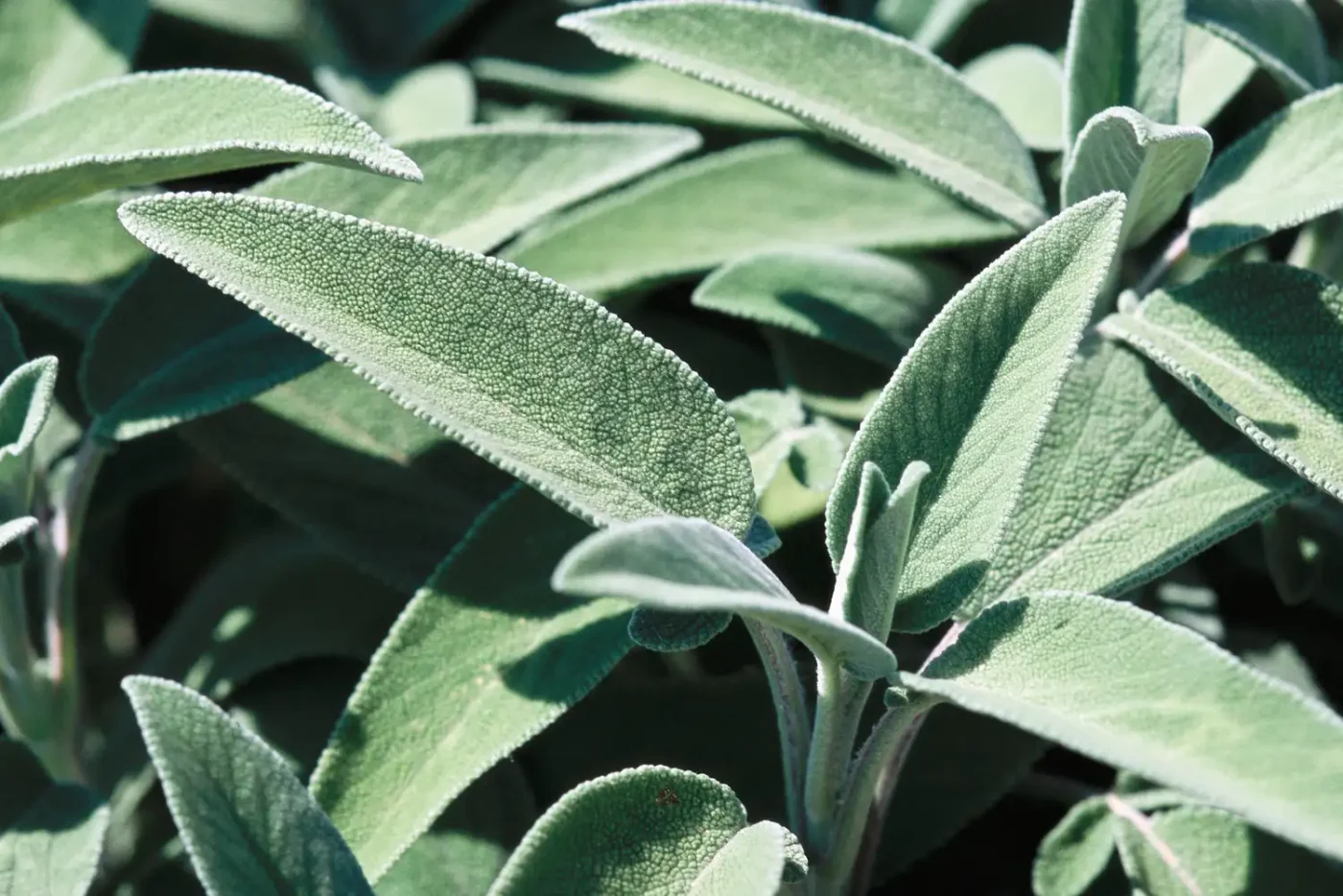
Green sage leaves growing vigorously in a garden bed.
Sage is a highly durable herb that easily handles the harsh summer sun and heat. Better yet, it remains evergreen throughout the winter months.
An August planting allows the herb to build a solid root system before freezing temperatures strike.
Black-Eyed Susan
Bright yellow black-eyed Susans with distinct dark centers.
When other summer plants begin to fade, black-eyed Susans take center stage. These iconic yellow flowers bloom from late summer deep into fall, unfazed by intense heat.
They also readily re-seed, ensuring a steady supply of color for years to come.
Lemon Balm
Lemon balm is a highly fragrant perennial herb perfect for fresh teas. Planting it in August gives you enough time to secure a modest harvest before the first hard freeze.
The late-summer start ensures a strong root base for a vigorous return in the spring.
Salvia
Planting salvia in August guarantees a rush of purple blooms throughout the fall. This late-season color provides crucial food for pollinators long after other flowers have died back.
Establishing its roots now sets the plant up for aggressive growth next year.