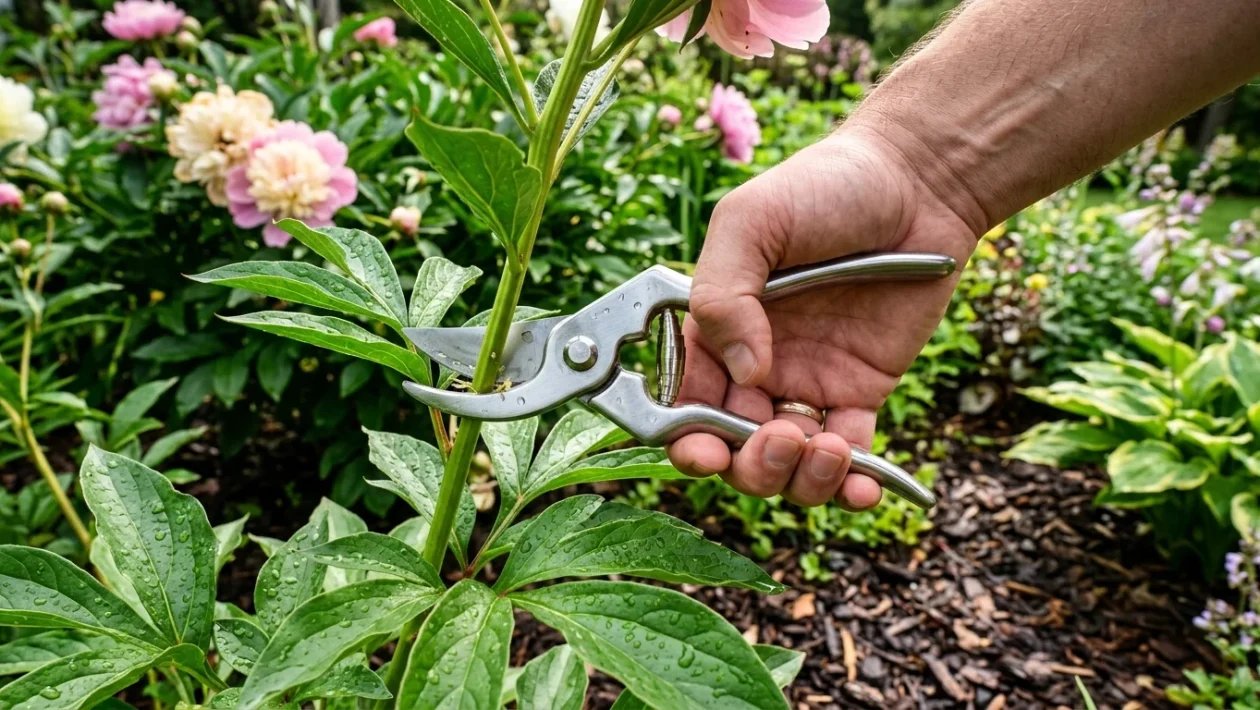
The lush peony displays of early summer are officially over. But while the petals have dropped, your plant is currently working overtime.
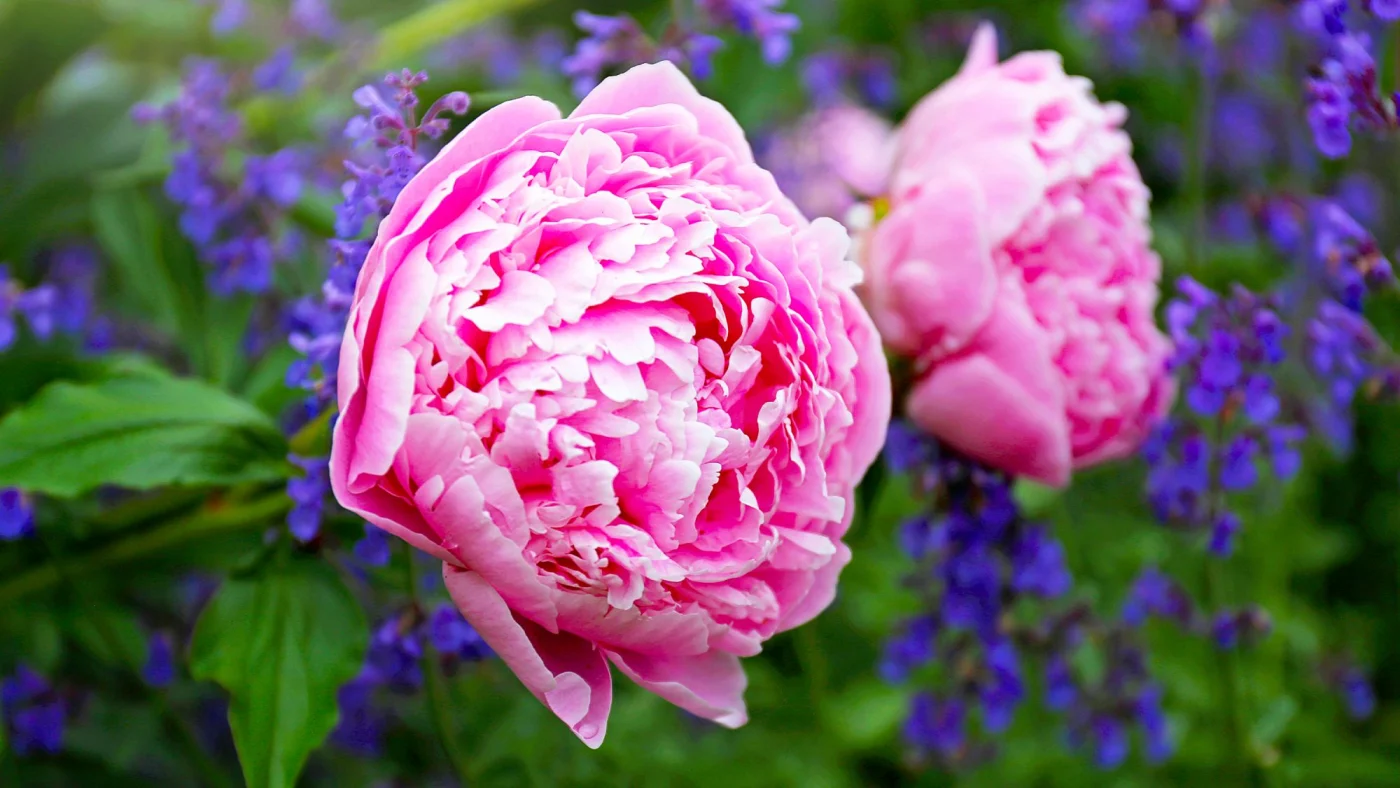
Lush pink peonies growing densely in a garden border.
July is when peonies store the energy required to produce next spring’s massive, blousy blooms. Heat-stressed plants naturally prioritize basic survival over future flower production.
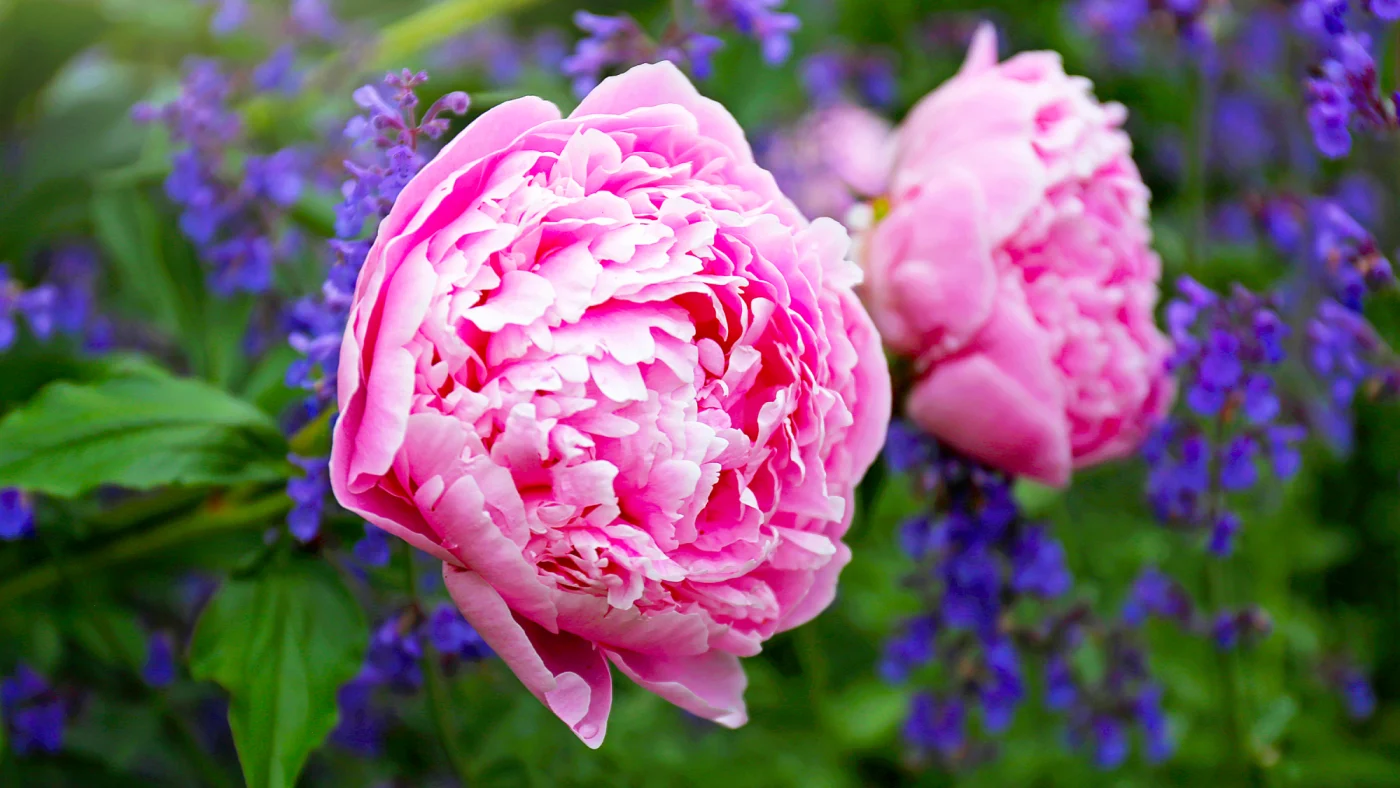
Close-up of bright pink peony petals in full bloom.
If you want a spectacular floral show next year, you need to intervene now. These four simple maintenance tasks will guide your plants through the harshest weeks of summer.
1. Deadhead Spent Flowers for Root Growth
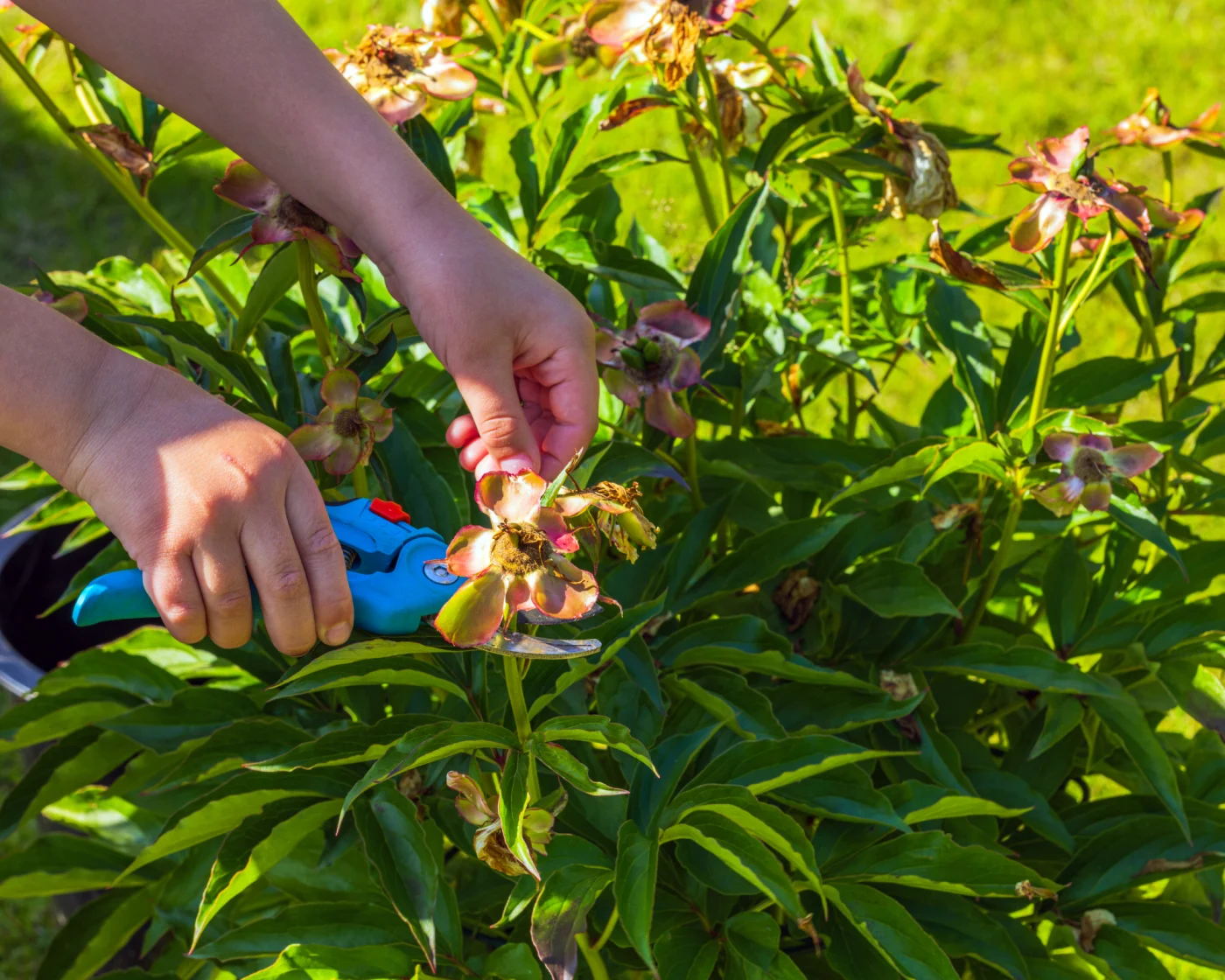
Gardener using bypass pruners to cut a faded peony stem.
As soon as petals fade, most peonies begin developing leathery seed pods. This seed production drains vital energy that should be redirected toward expanding the root system.
Grab a sharp pair of bypass pruners and snip off the old blooms right above the first healthy leaf. Trash the clippings rather than composting them to prevent disease outbreaks.
Even if you grow sterile Intersectional (Itoh) varieties that do not produce seed, deadheading remains a crucial hygiene practice to keep the garden tidy and pest-free.
2. Remove Damaged Foliage to Block Fungal Disease
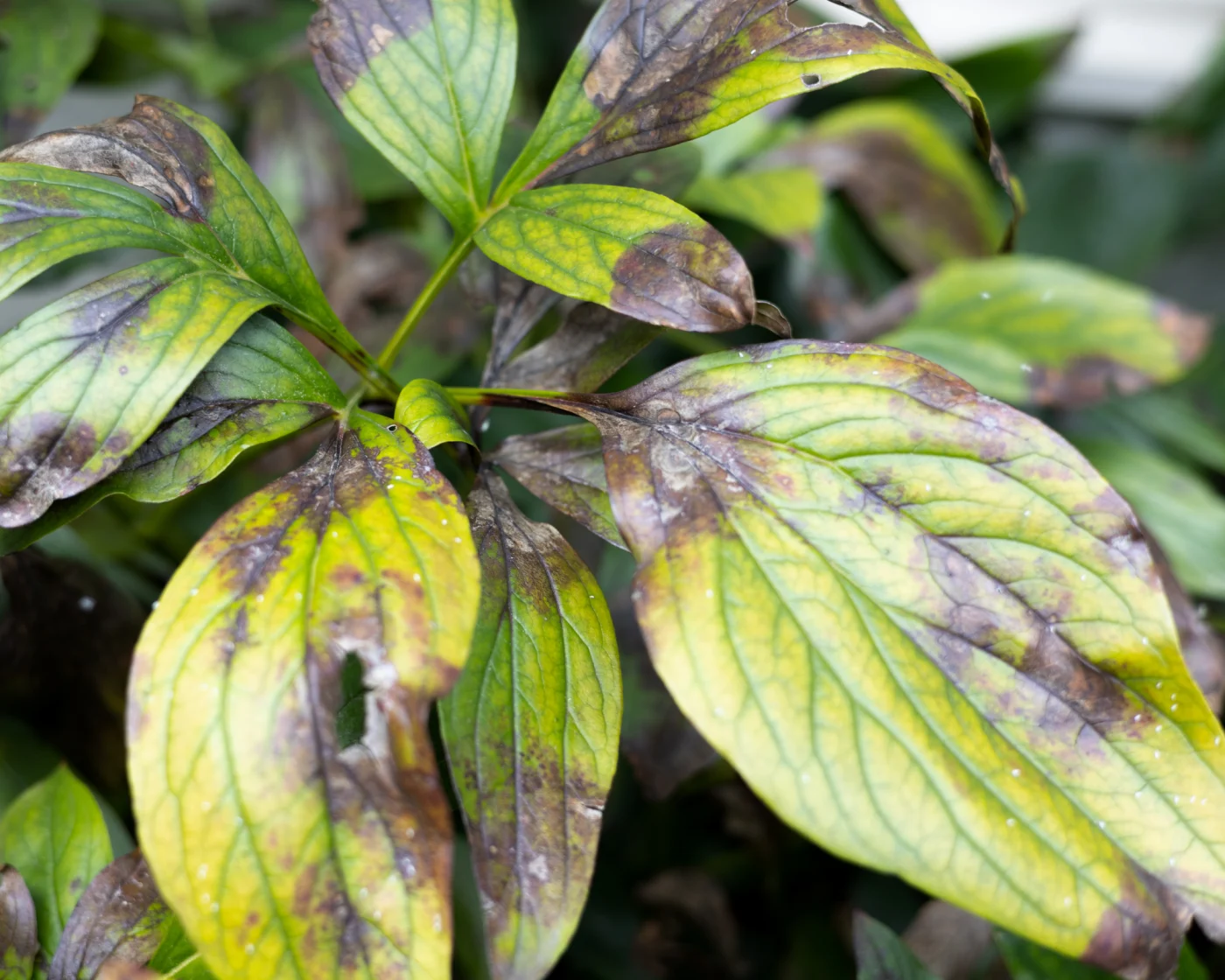
Peony leaves showing dark, irregular spots of fungal disease.
High summer heat and humidity invite fungal infections that actively steal energy from your plant. Botrytis blight (gray mold), powdery mildew, and peony leaf blotch (measles) are all common midsummer threats.
Remove any spotted or dead leaves immediately and throw them in the garbage. Keep your healthy, green leaves intact, as they act as solar panels fueling the plant’s fleshy tubers until the first fall frost.
Always disinfect your shears between cuts. A quick wipe down with a strong solution, like MaxTite 99.9% Isopropyl Alcohol, stops pathogens from spreading across your garden.
3. Commit to Deep, Weekly Watering
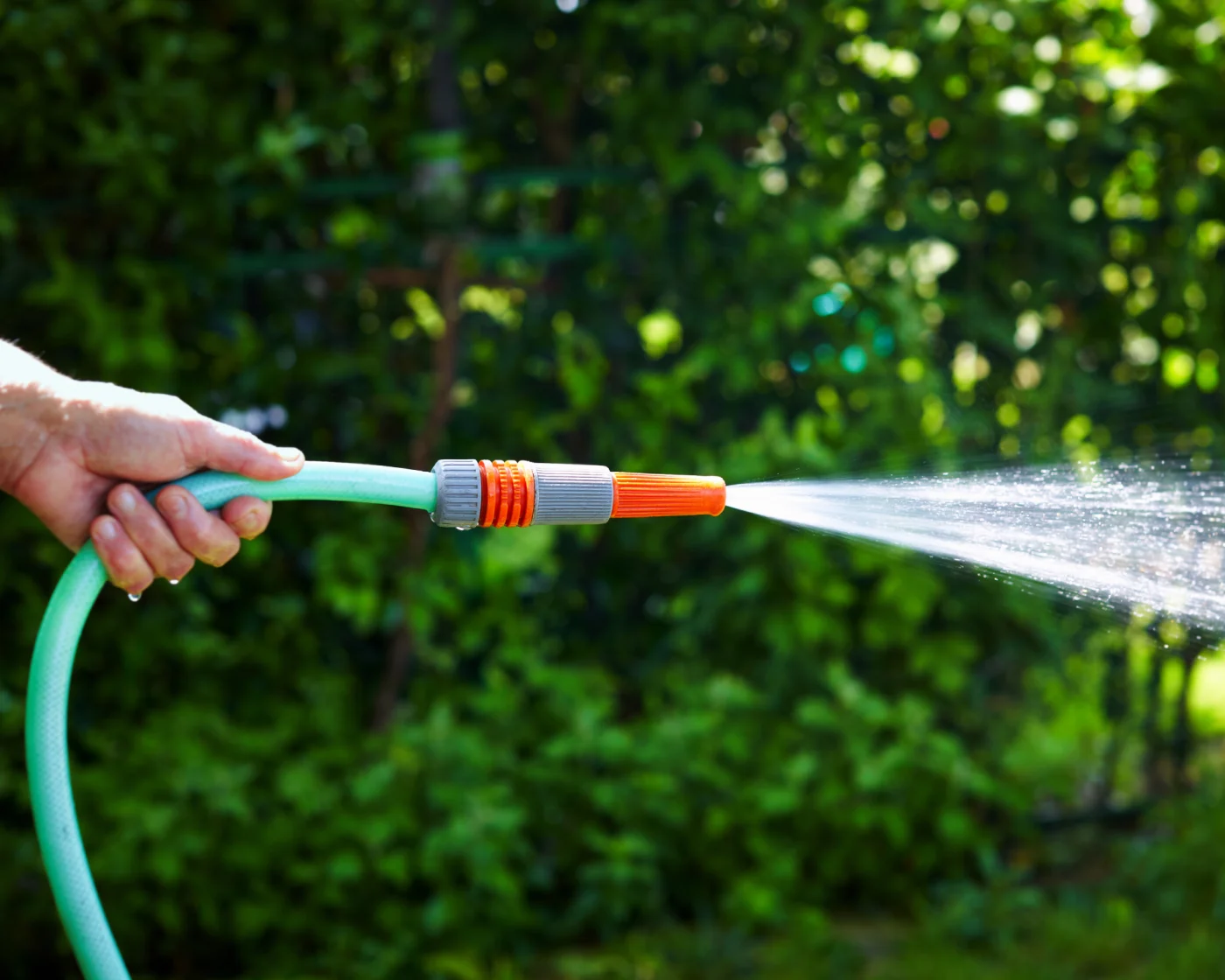
Watering the base of a green peony plant with a garden hose.
Established peonies handle drought well, making them easy to ignore in July. But starting in August, peonies form microscopic embryonic buds—called “eyes”—just beneath the soil surface.
These dormant eyes hold the blueprints for next year’s stems and flowers. To support them, deliver one deep, soaking watering session per week rather than a daily light misting.
Deep irrigation forces roots to grow downward, creating a highly resilient plant. Avoid wetting the leaves, and remember that young plants or container-grown peonies will require more frequent watering.
4. Apply Mulch but Protect the Crown
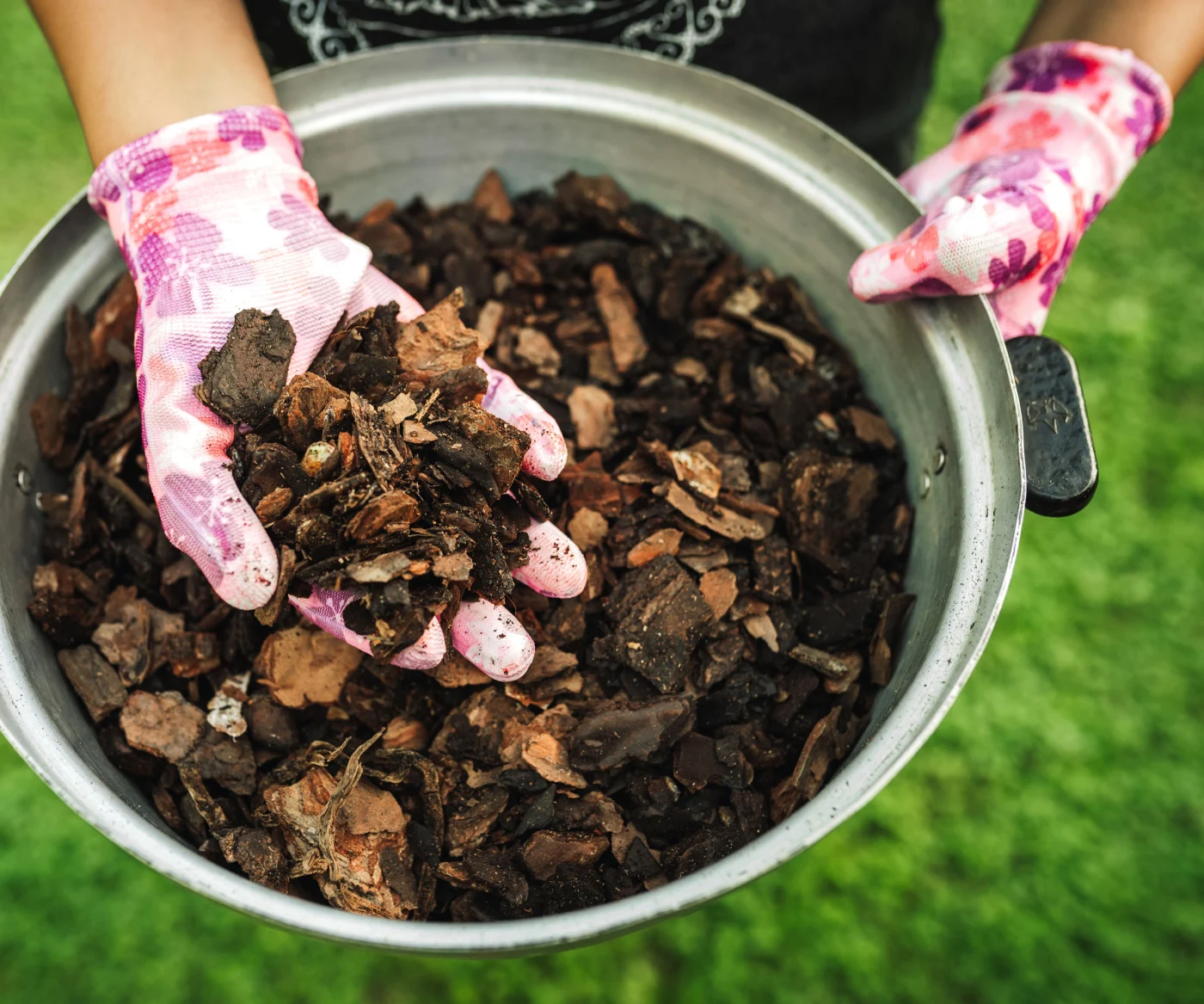
Dark, nutrient-rich mulch spread evenly over garden soil.
Lock in summer moisture by spreading a two-inch layer of natural mulch, such as homemade compost or leftover potting soil. Use the tines of a bow rake to distribute the material, then flip it over to smooth the surface.
Keep the mulch strictly around the outer perimeter of the plant, accommodating the peony’s wide root system. Burying the central crown traps moisture against the stems, which leads to fatal rot and guarantees zero flowers next year.
The One Thing You Should Never Do in July
It is tempting to hit your peonies with fertilizer right now to encourage root growth. Do not do this.

A vibrant, healthy flower blooming outdoors in the sunlight.
Peonies are notoriously light feeders. Pushing nutrients in late summer triggers a flush of vulnerable new foliage when the plant should be preparing for fall dormancy.
This late-season foliage growth drains tuber reserves and acts as a magnet for fungal diseases once wet autumn weather arrives. A basic natural mulch provides all the slow-release nutrients your plant needs.
If you suspect a serious nutrient deficiency, do not guess and fertilize blindly. Run a lab-based soil test, like a Sta-Green kit from Lowe’s, to diagnose the exact issue before taking action.