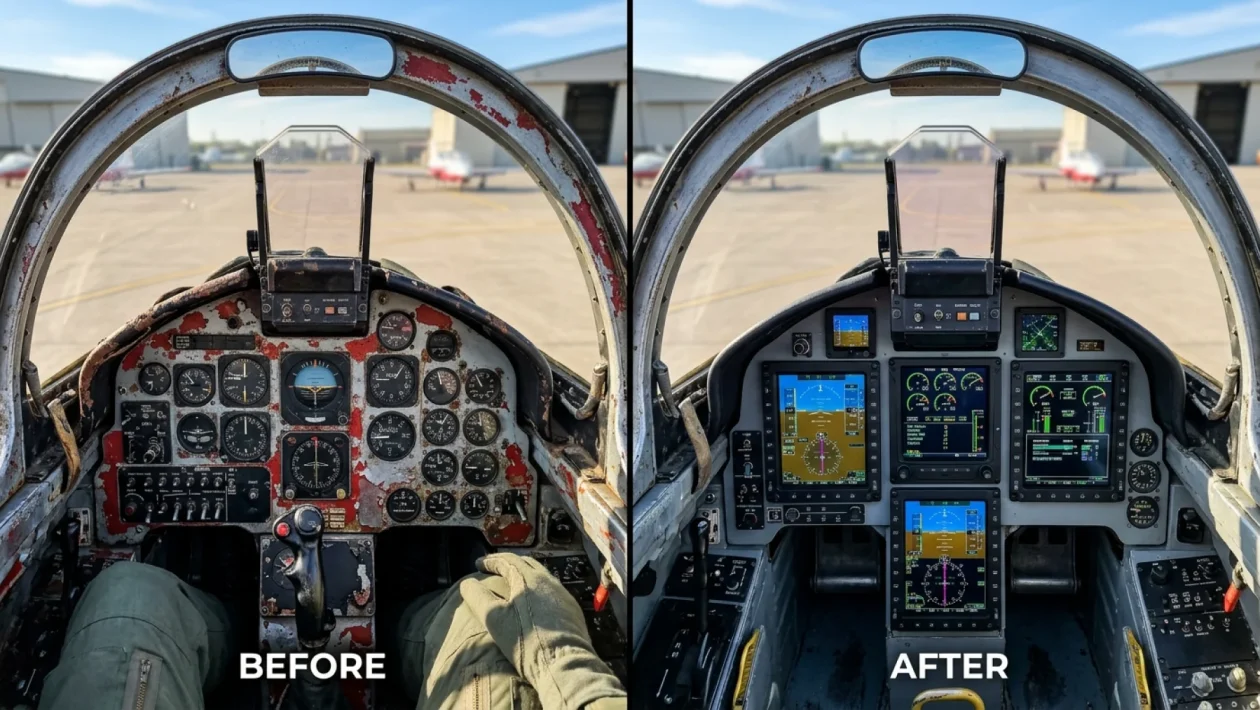
Ottawa just dropped a cool $29.3 million on fancy new tech for aircraft that are getting sent straight to the scrapyard three years early. If you’ve ever paid a mechanic to rebuild the transmission on a rusty, 20-year-old pickup truck just days before the engine completely blew, you know exactly how the Department of National Defence (DND) feels right now.
We are officially facing an early Snowbirds Jet Retirement. The beloved aerobatic shows that define Canadian summers will abruptly vanish after the 2026 season.
There is no sugarcoating it. The fleet is grounded until the early 2030s while we wait for new Swiss-made replacements. Let’s dig into exactly how we spent millions modernizing antique jets just to pull the plug on them anyway.
Snowbirds Jet Retirement
The iconic CT-114 Tutor jets have been tearing across Canadian skies since the 1960s. That makes these planes older than almost every single serving member of the Royal Canadian Air Force today.
Back in 2021, the government decided these aging birds needed to keep flying until 2030. They greenlit a massive modernization project. Just last month, Prime Minister Mark Carney even toured the IMP Aerospace facility in Halifax to inspect the newly upgraded aircraft.
But the air force commander just dropped a bombshell. The engineering reality of keeping 60-year-old airframes safely in the sky finally caught up with us. The Snowbirds Jet Retirement is happening right now, three years ahead of schedule.
| The Original 2021 Plan | The 2026 Reality |
|---|---|
| Fly safely until 2030 | Grounded after the 2026 season |
| Modernize 20 Tutor jets | Halted at 13 upgraded jets |
| Seamless transition to new planes | No air shows until the early 2030s |
Why A $29.3M Avionics Upgrade Happened
You might be wondering how we managed to blow nearly $30 million on a fleet that’s practically obsolete. The answer comes down to “glass cockpits.”
The original goal was to drag the 1960s technology into the modern era. Canadian aerospace companies like Magellan Aerospace assessed the engines in 2019 and gave the green light, claiming they were viable until 2030.
So, the military got to work. Here is how they approached overhauling the fleet’s outdated brains:
- Gutting the Analog: Technicians physically ripped out the traditional, heavy analog dials and physical gauges from the cramped cockpits.
- Installing Digital Displays: They wired in modern electronic instrument displays—large digital screens designed to give pilots better situational awareness.
- Upgrading Comms: New flight data recorders, transponders, and advanced navigation systems were bolted in to meet current aviation safety standards.
The upgrade was a masterclass in retrofitting, but putting a smart-TV inside a house with crumbling foundations rarely ends well.
Couldn’t Save Canada’s Grounded Fleet
Despite the shiny new screens, the mechanical bones of the CT-114 Tutors simply couldn’t handle the strain. The DND admitted that ongoing challenges with the airframes, engines, and escape systems became too massive to ignore.
It’s a bitter pill to swallow for aviation fans and Canadian taxpayers alike. However, some defence experts argue the money wasn’t entirely wasted if it kept our pilots safe for these final few seasons.
Spending $30 million to keep an airplane older than almost every serving member of the RCAF, it’s probably not a bad investment to get another season’s worth of air shows and all the interactions with the public.
Ultimately, no amount of digital lipstick was going to save this aging workhorse. The safety of our pilots comes first, and pushing these airframes past 2026 was a gamble Ottawa wasn’t willing to take.
Frequently Asked Questions
When is the very last Snowbirds air show?
The current fleet of CT-114 Tutors is only certified to fly safely through the 2026 season. After that, the aerobatic shows will be entirely suspended.
What happens to the $29.3M upgraded jets now?
The divestment process is long, but it’s highly likely these newly modernized planes will end up stripped for parts, scrapped, or placed on public display in aviation museums across Canada.
When will the Snowbirds fly again?
Don’t expect to see the signature nine-jet formations again until the early 2030s. The government is currently working on procuring new, modern Swiss-made aircraft to relaunch the program.
🤝 It’s tough to say goodbye to a Canadian icon, especially after pouring millions into keeping them alive. But just like knowing when to finally trade in that old trusty truck, acknowledging when a machine is done takes common sense.
💡 I want to know where you stand on this. Was upgrading these planes a total waste of taxpayer dollars, or was it a necessary expense to keep our pilots safe during their final flights?
📱 Share your thoughts with me in the comments below, or send this article to a buddy who loves aviation. Good luck catching a show this summer—it might be one of your last chances!