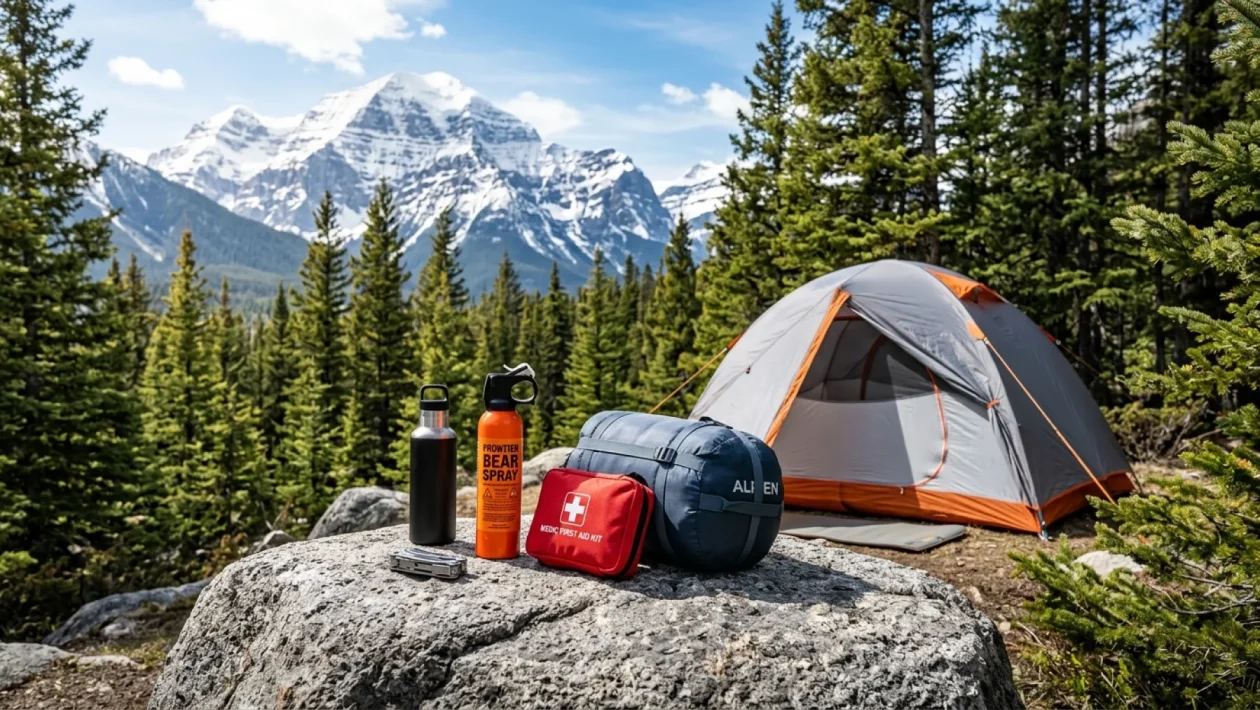
The wilderness is unforgiving, and heading into the backcountry with nothing but a cheap tent and blind optimism is a guaranteed recipe for disaster. You want to escape the city grind, disconnect from the screens, and finally conquer the legendary outdoors. We are stripping away the intimidation factor right now. By the time you finish reading, you will know exactly what gear to pack, how to avoid a disastrous run-in with the local wildlife, and the undeniable rules for keeping your site secure.
Alberta camping
There is a massive difference between pitching a tent in your backyard and surviving a weekend in the Rockies. Alberta camping is world-class, but the terrain demands total respect.
It is easy to underestimate the sheer scale of the wilderness in our backyard. Did you know Alberta boasts over 470 provincial parks and recreation areas? That is an incomprehensible amount of rugged landscape waiting to be explored.
You are stepping into a dynamic environment where the weather, wildlife, and terrain dictate the rules. To thrive out here, you need to shift your mindset from a city dweller to a resilient outdoorsman.
Your Complete Beginner Blueprint
You do not need to max out your credit card to get started, but you absolutely cannot cut corners on the essentials. Grabbing a reliable Woods sleeping bag from Canadian Tire or leaning on the experts at MEC for a quality waterproof tent will save you from a miserable, shivering night.
The secret to a successful first trip is knowing what actually matters. Overpacking is a rookie mistake, but under-packing the survival essentials is downright dangerous.
| Absolute Essentials | Leave Behind |
|---|---|
| Quality waterproof tent & sleeping pad | Denim clothing (cotton kills when wet) |
| Bear spray (and training on how to use it) | Heavily scented toiletries and perfumes |
| Reliable first aid kit & fire starter | Flimsy city sneakers and heavy electronics |
Surviving The Bush
The woods are beautiful, but they bite back. Wildlife encounters are a reality of Alberta camping, and managing your site properly is the only way to prevent a disaster.
Bears, cougars, and unpredictable weather fronts are all part of the package. Your food needs to be locked away, and your situational awareness needs to be dialed up to ten at all times.
“The most common mistake first-timers make isn’t bringing the wrong tent; it’s underestimating how fast a situation turns sideways when wildlife or weather rolls in. Always pack for the trip you hope you don’t have.” — David Thorne, Backcountry Search and Rescue Veteran
Respect the fire bans. An unattended ember can wipe out thousands of hectares of forest in an afternoon, and nobody wants to be the guy who sparked an evacuation order.
This Spring
May 2026 is officially here, and that means the transitional weather is in full swing. The days might trick you into thinking it is peak summer, but the midnight temperatures will tell a completely different story.
Setting up your site correctly during the shoulder season requires a specific strategy. Follow this proven protocol to keep yourself warm, dry, and secure:
- Check active advisories: Always verify fire bans, trail washouts, and bear closures on the provincial parks website before you hit the highway.
- Pick high ground: Spring melt means soggy ground, so pitch your tent on an elevated, well-draining spot to avoid waking up in a puddle.
- Layer aggressively: Pack high-quality thermal base layers and a toque. You can always take layers off, but you cannot put on what you left at home.
Frequently Asked Questions
Do I need a reservation, or can I just show up?
While public land camping (Crown land) is an option for the experienced, beginners should absolutely stick to provincial or national parks. You must book a site online well in advance, as Alberta camping spots disappear months before the season even starts.
What is the best way to store my food?
Never bring food, wrappers, or scented products into your tent. Keep everything locked inside your vehicle or stored in a certified bear-proof locker provided by the campsite.
Is it safe to camp during early fire season?
Yes, provided you are relentlessly vigilant. Keep track of local wildfire smoke conditions, adhere strictly to fire bans, and always have a full bucket of water sitting right next to your campfire.
Wrapping Up
🤝 Good luck out there in the wild, because taking that first step into the backcountry is truly the start of an incredible lifelong journey.
💡 Remember, every single seasoned outdoorsman started exactly where you are today—staring at a pile of gear and wondering if they packed enough dry socks.
📱 If you found this beginner’s blueprint helpful, do not keep it a secret. Send it to your future tent-mate so you are both on the exact same page before you hit the road.
👇 I want to hear about your upcoming adventures, so share your thoughts and drop your spring destination in the comments below!