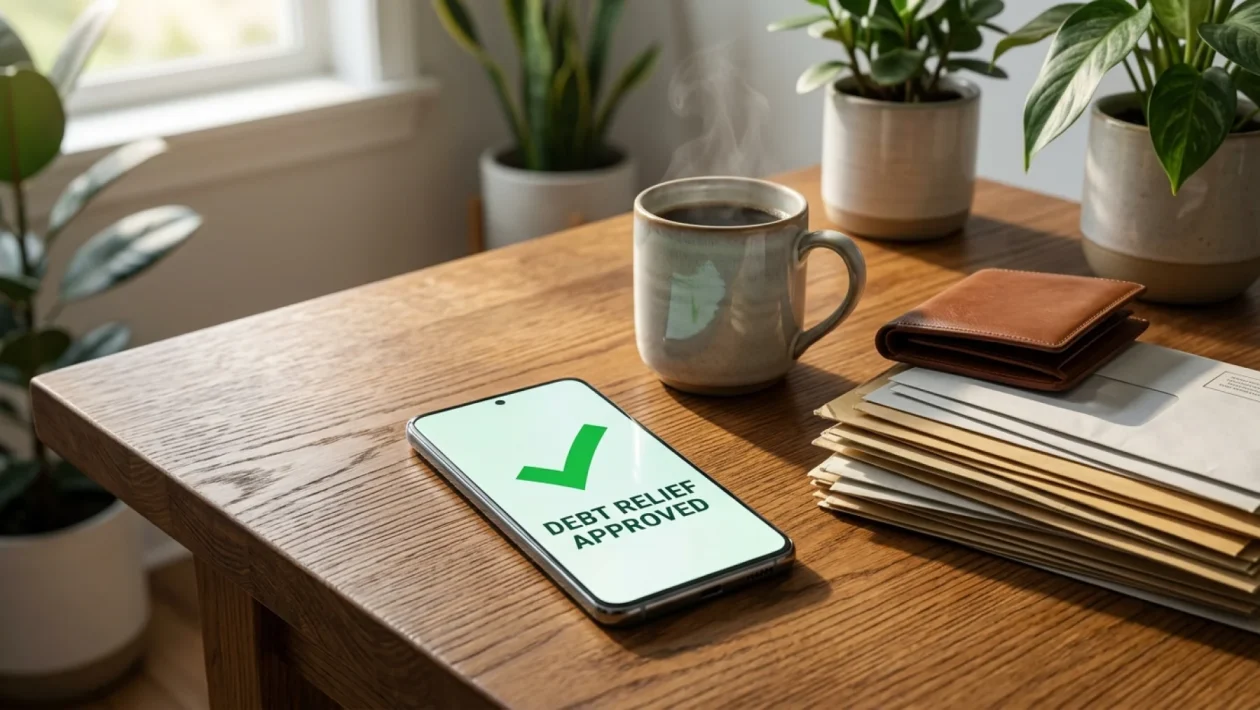
You are staring at a monthly bill that feels heavier than a truckload of bricks. Student loan forgiveness used to feel like a mythical creature, but the fresh guidelines dropped this July 2026 are changing the financial landscape entirely.
If you have been scraping the bottom of your bank account just to make minimum payments, stop what you are doing. The federal government just overhauled the system, and these tweaks are specifically engineered to keep your hard-earned cash in your pocket.
Let’s grab a coffee and break down exactly how to navigate this new terrain so you can finally get that massive financial monkey off your back.
The real deal on student loan forgiveness right now
Debt is exactly like a leaky basement foundation. If you ignore it, the structural damage only gets worse over time. For years, folks graduating from college and university were handed a diploma in one hand and a lifetime of financial anxiety in the other.
But here is a hard truth that might shock you: The average North American grad carries roughly $28,000 in student debt, yet a massive chunk of eligible borrowers never even apply for relief programs. Why? Because the paperwork used to be an absolute nightmare.
Thankfully, navigating your National Student Loans Service Centre (NSLSC) portal is no longer a maze of dead links and confusing jargon. The latest administrative push focuses entirely on making the process painless for the average working person.
Decoding the new 2026 guidelines
So, what exactly changed this summer? The bureaucrats finally realized that forcing young professionals to jump through burning hoops was not a sustainable economic plan.
These new guidelines expand the eligibility bracket significantly. They also fast-track the timeline for specialized workers like nurses, tradespeople, and rural educators.
Here is a quick breakdown of how the old system compares to what is happening right now:
| Old Rules (Pre-2026) | New 2026 Guidelines |
|---|---|
| 10-year repayment minimum | 5-year repayment minimum for essential workers |
| Strict, outdated income caps | Adjusted brackets factoring in modern inflation |
| Clunky paper-based applications | 100% digital, automated assessment portal |
How these updates drive massive debt relief for you
This is where the rubber meets the road. These adjustments do not just look good on a political press release; they actively drive dollars back into your personal bank account.
By lowering the income threshold requirements, thousands of people who were previously denied are finally getting approved. It is like finally finding the right wrench for a stripped bolt—everything just clicks into place.
“The July 2026 framework is the most aggressive debt relief initiative we have seen in a decade. It transitions the program from a basic safety net into a proactive wealth-building tool for young adults.” – Marcus Thorne, Senior Financial Analyst.
You do not need to hire an expensive advisor from CIBC or Scotiabank to figure this out. You just need to follow a straightforward, logical process.
Here is your exact blueprint to lock in your relief today:
- Log into your federal portal: Ensure your tax returns from the previous year are officially linked and synced to your account.
- Run the new calculator: Use the newly updated 2026 assessment tool to see your exact adjusted payment ratio.
- Submit the streamlined form: Confirm your current employment status, especially if you work in healthcare, manual trades, or non-profits.
- Monitor your inbox: Digital approvals are currently clocking in at an impressive 14-day turnaround time.
Frequently Asked Questions
Do I need to reapply if I was denied last year?
Absolutely. The student loan forgiveness criteria have expanded significantly this summer. A denial in 2025 means practically nothing under the new, broader 2026 framework.
Does this program cover private bank loans?
No, it does not. These new guidelines apply specifically to federal and provincial/state student loans. Private lines of credit are still bound by your specific bank’s original terms.
Are there tax penalties for the forgiven amount?
In most regions across North America, the forgiven federal balance is no longer considered taxable income. However, you should always double-check with a certified accountant in your specific province or state to be safe.
🤝 Good luck navigating this updated system! Dealing with government debt used to feel like trying to build a deck without a tape measure, but these new tools actually work in your favour.
💡 Taking a single afternoon to update your profile and submit your application could literally erase years of financial stress. You owe it to your future self to get this handled.
📱 Share your thoughts and experiences with the new portal in the comments below. Did you get approved faster than you expected?
👇 Do not let this massive opportunity slip by. Hit that share button and send this guide to a friend who is still stressing over their monthly loan payments!