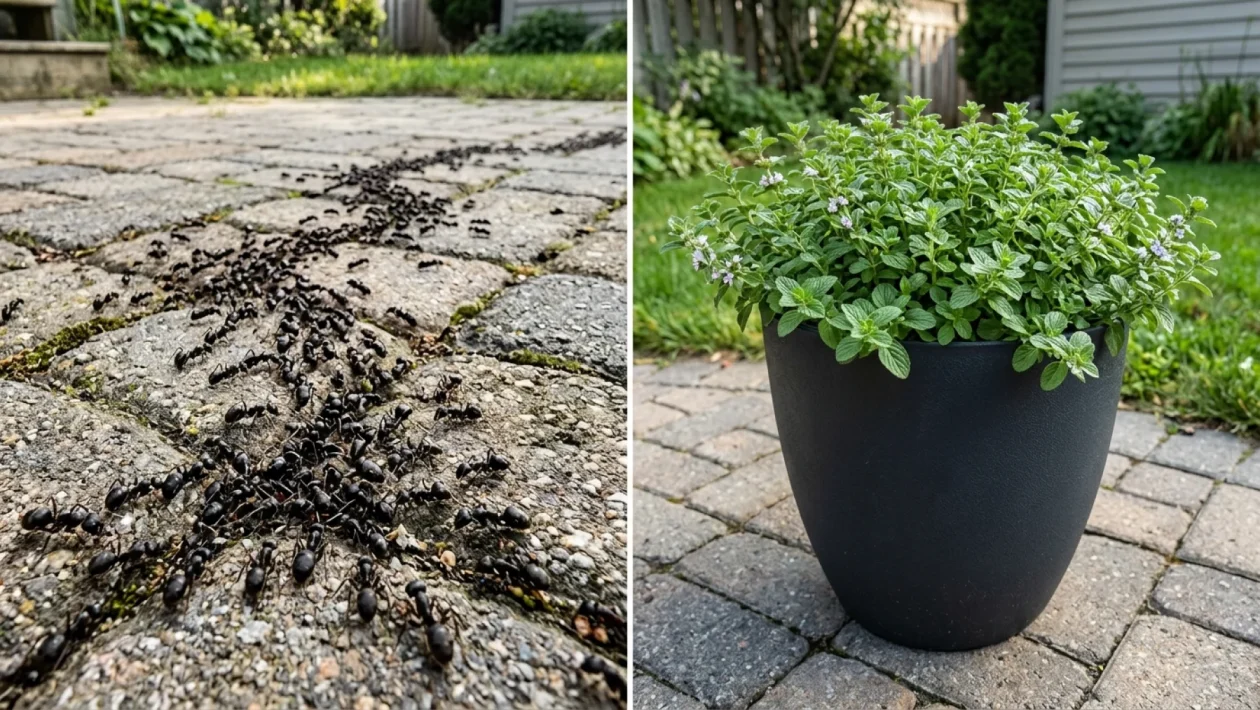
You step outside with a cold drink, pull up a chair, and suddenly notice an absolute highway of ants marching across your patio stones. You’ve tried the messy chemical sprays, the powdery traps, and doing that panicked tap dance every time you feel a tickle on your ankle. Stop wasting your time and money on band-aid solutions. There is a relentless, 100% natural plant that stops ants dead in their tracks before they even reach your outdoor furniture.
The secret weapon is European Pennyroyal (Mentha pulegium). This low-maintenance herb is an absolute gamechanger for backyard mechanics, grill masters, and anyone who just wants to enjoy their outdoor space in peace. Let’s break down exactly why you need this powerhouse on your deck right now.
Understanding European Pennyroyal
You might be wondering what makes this specific plant so special compared to the standard mint taking over your garden bed. European Pennyroyal is a perennial herb that packs a serious olfactory punch. Unlike its American cousin, which you have to replant every single spring, the European variety comes back year after year.
It’s a low-growing creeper, usually topping out around 30 centimetres high. Because it’s part of the mint family, it has a sprawling, aggressive root system. That means you absolutely want to keep it contained.
Do yourself a favour: head down to your local Canadian Tire, grab a heavy-duty resin planter or a wide modern urn, and keep this plant strictly potted. If you plant it directly in your yard, it will wage war on your lawn and win.
How It Destroys Patio Ant Invasions
The magic is all in the chemistry. European Pennyroyal contains incredibly high concentrations of a compound called pulegone. To human noses, it smells like a refreshing, sharp mix of menthol and eucalyptus—kind of like cracking open a fresh jar of Vicks VapoRub.
To an ant, however, that scent is a nightmare. It completely short-circuits their navigational abilities. Did you know a single colony of pavement ants can contain up to 10,000 workers? When scouts encounter the scent of pulegone, they lose their pheromone trails entirely and retreat.
“European Pennyroyal contains such potent levels of pulegone that it essentially acts as a localized EMP against an ant’s chemical communication network,” explains Dr. Arlo Vance, an entomologist specializing in natural pest deterrents. “They simply cannot navigate through the scent barrier.”
As a bonus, the Latin word “pulex” actually translates to “flea”. This rugged little herb has been used for centuries to drive away not just ants, but mosquitoes, fleas, and gnats too.
A Complete Natural Repellent Guide For Your Yard
Now that we are deep into July 2026, you want results fast. Growing this plant is nearly foolproof if you follow a few basic rules of thumb. It thrives in hardiness zones 5 through 9, meaning it can handle the climate across most of populated Canada and the northern US.
Here is exactly how you establish your anti-ant perimeter:
- Prep the Soil: Fill a wide-brimmed pot with high-quality, well-draining potting mix. Keep it moist but not swampy.
- Sow the Seeds: Scatter the seeds directly on top of the soil. Do not bury them deep! They desperately need sunlight to germinate. If you must cover them, use a fine kitchen sieve to dust a microscopic layer of soil over top.
- Provide Heat: Ensure the ambient temperature stays above 20°C. Keep the soil constantly damp.
- Watch it Sprout: Within one to three weeks, you’ll see the seedlings emerge. Once established, place the pot in full sun or partial shade near your patio seating.
Before you start digging in the dirt, let’s look at a quick breakdown of what to expect when handling this herb.
| The Good Stuff | The Cautions |
|---|---|
| Repels ants, mosquitoes, and fleas naturally. | Highly toxic if ingested. Not edible! |
| Perennial growth (comes back every year). | Aggressive spreader (must be kept in pots). |
| Thrives with minimal maintenance. | Can cause skin irritation; wear gardening gloves. |
Frequently Asked Questions
Will European Pennyroyal survive a harsh Canadian winter?
If you live in zone 5 or warmer, it generally survives outdoors just fine. However, if you’re facing a brutal deep freeze, it’s safer to move the pot into a cool garage or basement to overwinter.
Is this plant safe around my pets and kids?
You must treat it with respect. Pennyroyal is toxic if eaten. It was historically used as an extreme herbal remedy and can be highly dangerous, especially to pregnant women and curious dogs. Keep it in a tall planter out of reach of toddlers and pets.
Do I need to crush the leaves to make it work?
While bruising a leaf occasionally will release a massive burst of menthol scent, a healthy, mature plant passively emits enough fragrance on a warm summer day to keep the bugs at bay.
Wrapping It Up
🤝 Listen, guys, taking back your patio doesn’t require a hazmat suit or expensive chemical subscriptions. A simple, well-placed pot of European Pennyroyal does the heavy lifting for you.
💡 Nature already engineered the perfect defense mechanism. All you have to do is put it to work on your deck and let that fresh, minty aroma guard your perimeter.
📱 Good luck with your new natural pest control! If this trick saves your summer barbecues, be sure to share your thoughts with us on social media.
👇 Drop a comment below if you’ve ever tried growing this powerhouse herb, or let me know what your biggest patio pest problem is right now!