Most home cooks treat roasted chicken as a basic necessity rather than a centerpiece. While the oven does the heavy lifting, the difference between a dry, bland bird and a restaurant-caliber dinner comes down to one element: the glaze.
The Secret to Restaurant-Style Results
Professional kitchens rely on a balance of acidity, sweetness, and fat to transform chicken skin into a deep, caramelized mahogany. This technique isn’t about expensive equipment; it’s about layering flavors before the heat hits the meat.
By combining savory elements like soy sauce and mustard with a touch of honey, you create a Maillard reaction that browns quickly and deeply. When this hits the hot fat, the sugars caramelize, sealing in the moisture of the bird while creating a crisp, addictive exterior.
Essential Ingredients for Your Glaze
To replicate this flavor profile at home, you will need to assemble a specific set of pantry staples. This blend works best on a standard 4-pound (roughly 1.8 kg) bird.
- The Fats: A mix of olive oil for the base and a knob of room-temperature butter to add richness and sheen.
- The Umami Core: 2 tablespoons of soy sauce combined with 1 tablespoon of honey. The soy adds saltiness, while the honey provides the necessary sugars for browning.
- The Tang: 1 tablespoon of mustard and 1 tablespoon of ketchup. The acidity in these ingredients cuts through the richness of the chicken skin.
- The Aromatics: 4-5 cloves of finely minced garlic, dried rosemary, coriander, and smoked paprika.
The Execution: Step-by-Step
The goal is to ensure the marinade penetrates the skin and that the potatoes act as a flavor sponge. Start by seasoning your chicken generously with salt and black pepper on all sides.
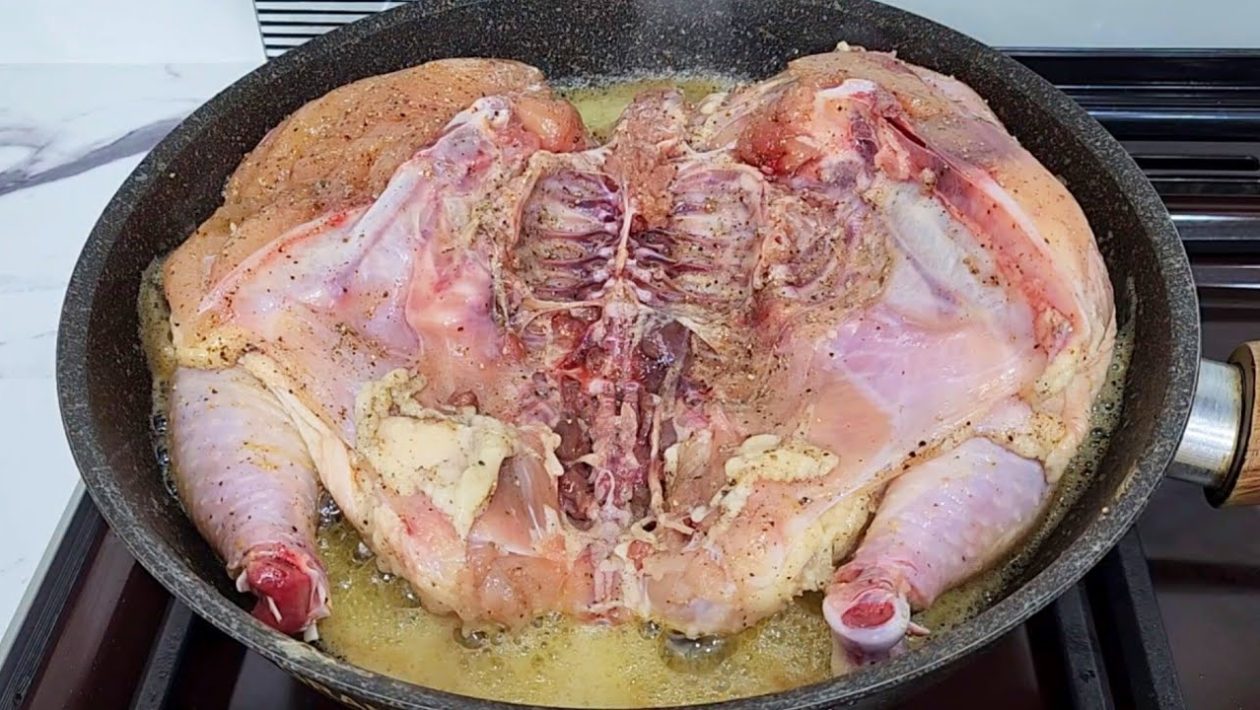
Whisk your glaze ingredients together in a small bowl. Use a brush or your hands to coat the entire bird, getting under the skin wherever possible. If you have the time, let the chicken sit in this marinade for at least 30 minutes before roasting.
Place your chopped potatoes around the bird in the roasting pan. As the chicken renders its fat, the potatoes will cook in the drippings mixed with the leftover marinade. This transforms the side dish into the most flavorful part of the meal.
Refining the Flavor Profile
Once the foundation is set, don’t be afraid to experiment with the aromatics. Fresh parsley added at the very end provides a bright, herbal finish that cuts through the heaviness of the roasted meat.
Sweet peppers, when roasted alongside the potatoes, add a layer of depth to the pan juices. If you prefer a more rustic presentation, keep your potato chunks large to ensure they hold up through the longer cooking time required by the chicken.
Remember that the temperature is your final tool. Start at a higher heat to set the glaze, then lower the temperature to ensure the meat cooks through without burning the honey-based sugars. The resulting dish offers a complexity that is rarely achieved with simple salt-and-pepper seasoning.