The Reality of Burnt Cookware
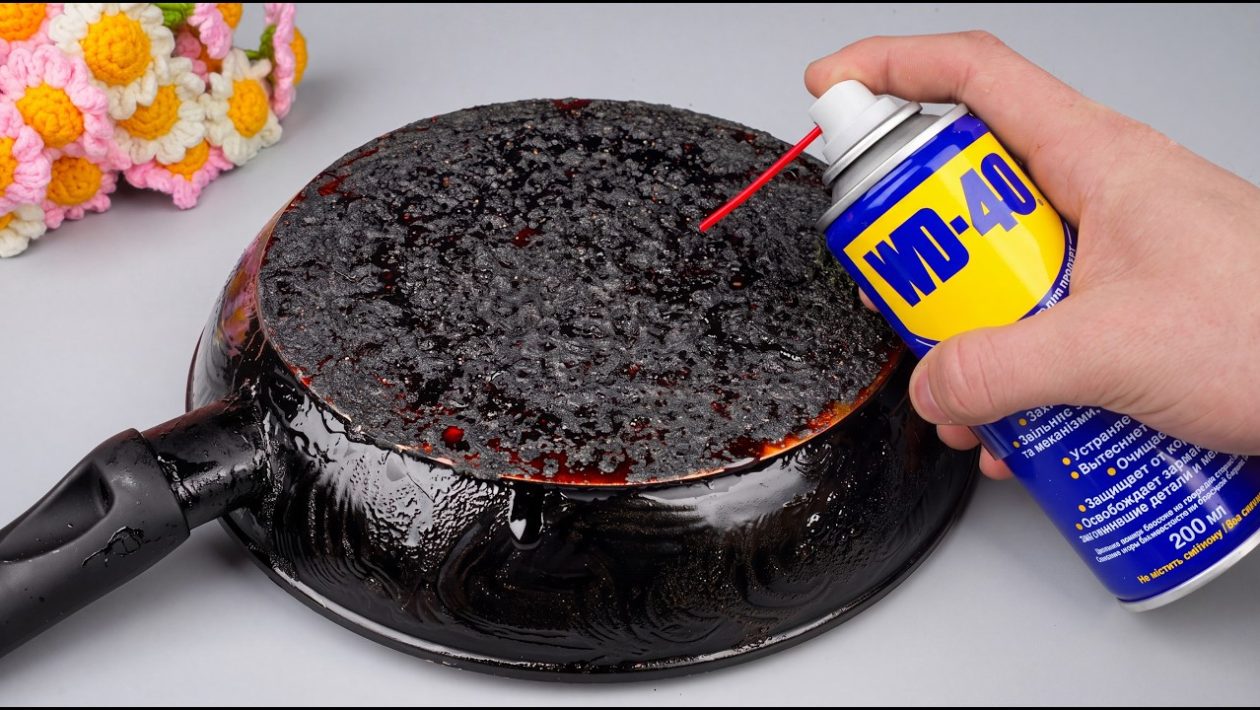
Every kitchen eventually sees it: that frying pan with the dark, stubborn ring of carbonized grease on the bottom or the interior. It happens from high-heat cooking, minor spills that caramelize, and the simple passage of time. Most people reach for abrasive steel wool and chemical-heavy cleaners, which can damage non-stick coatings and scratch stainless steel surfaces.
You don’t need industrial-grade solvents to handle these stains. In fact, the most effective cleaning agents are likely already in your pantry. By utilizing a simple chemical reaction, you can lift years of oil buildup without breaking a sweat.
The Natural Solution: Chemistry over Elbow Grease
The secret to removing tough, old grease isn’t force; it’s patience and chemistry. To tackle heavy-duty stains, you need to soften the carbon bonds that adhere the grease to the metal. This approach works on most materials, including stainless steel, cast iron, and enameled cookware.
The Essential Components:
- Baking Soda: Acts as a mild abrasive and alkaline agent to break down acidic food stains.
- White Vinegar: Its acetic acid content helps lift mineral deposits and cut through dense grease.
- Dish Soap: A surfactant that captures oil molecules, allowing them to be rinsed away.
The Step-by-Step Restoration Process
Start by creating a thick paste using a ratio of three parts baking soda to one part water. Apply this generously to the affected areas of the pan. If the buildup is particularly stubborn, let this paste sit for at least 30 minutes. This allows the baking soda to penetrate the layers of grime.
Next, spray the paste-covered area with white vinegar. You will see a fizzing reaction; this is the acetic acid interacting with the sodium bicarbonate. This reaction is the mechanical “scrubber” that dislodges the grime from the metal surface.
Handling Extreme Buildup
If the grease has turned into a hard, black “crust,” a paste application may not be enough. In these cases, you should use a boiling method. Fill a large pot or sink with enough hot water to submerge the affected pan. Add half a cup of baking soda and a half cup of vinegar to the water.
Submerge the pan and let it soak for one hour. The heat helps the surfactant in your dish soap loosen the molecular structure of the oil. Once the water has cooled to a manageable temperature, the grease should slide off with nothing more than a soft sponge or a microfiber cloth.
What to Avoid
While the goal is to get your pans spotless, technique matters. Avoid using metal scrapers or harsh scouring pads on high-end pans with non-stick coatings. If you compromise the surface of a non-stick pan, it will never perform the same way again.
If you are cleaning cast iron, be aware that these methods are excellent for deep cleaning but will strip your seasoning. If you use the soak-and-scrub method on a cast iron skillet, you must immediately dry it thoroughly over low heat and re-oil the surface to prevent rust.
For most stainless steel pans, this process is entirely safe. Keep the process simple: let the ingredients do the work, avoid aggressive scraping, and rinse thoroughly to ensure no cleaning residue remains before your next meal.