The Problem with Corrugated Metal Roofs
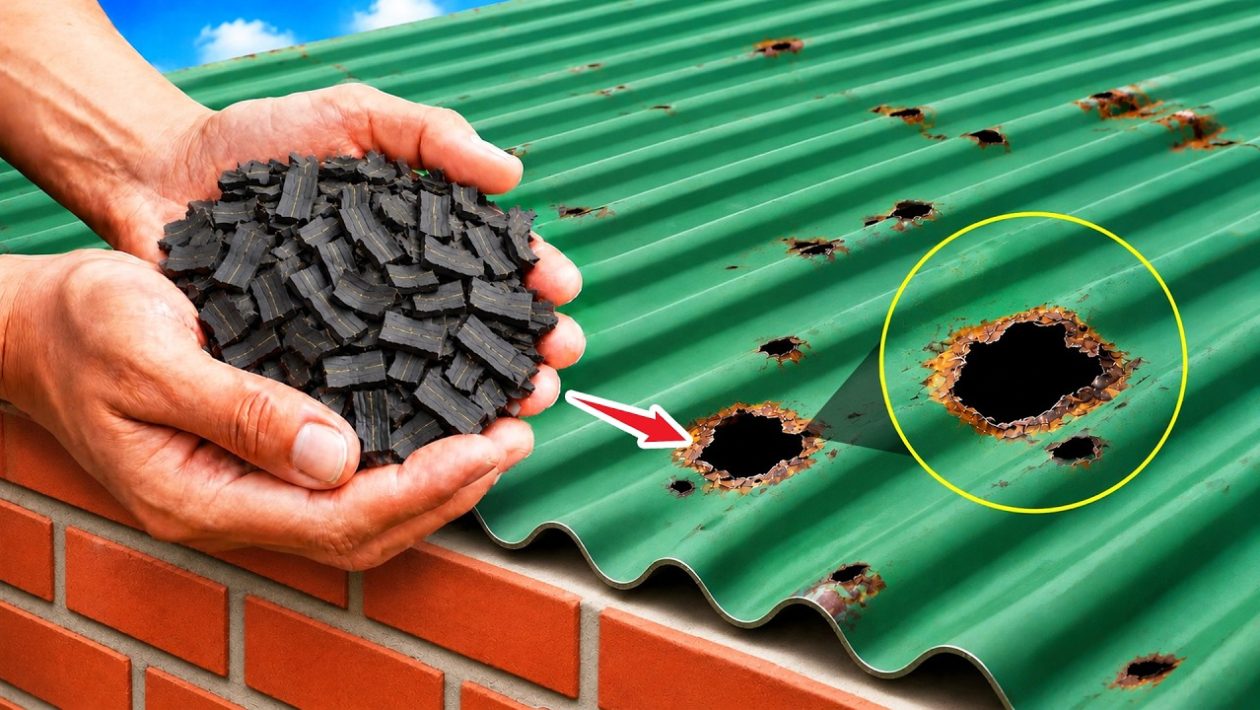
Corrugated metal roofs are highly durable, but they are not invincible. Over time, rust, falling branches, and shifting structures create cracks and widened nail holes.
Traditional repair methods usually involve expensive roofing sealants or swapping out entire metal panels. Sealants often dry out and crack under intense summer sun. Replacing panels costs significant time and money.
Veterans of the agricultural world often find better, cheaper ways to solve these problems. One highly effective method relies on a material most properties already have lying around: discarded rubber tires.
Why Scrap Tires Make Perfect Roofing Patches
Automobile and tractor tires are built to withstand extreme punishment. The vulcanized rubber is highly resistant to UV rays, freezing temperatures, and heavy impacts.
When you cut an old tire into strips or patches, you get a thick, flexible, waterproof membrane. Unlike hard plastic or rigid sheet metal patches, rubber flexes.
As a metal roof heats up in the sun and cools at night, the metal expands and contracts. A rubber tire patch moves right along with the corrugated iron, keeping the waterproof seal intact without snapping or tearing.
How the Repair Works
The process requires heavy-duty tools, as cutting through tire tread or sidewalls is notoriously difficult. A heavy utility knife, tin snips, or an angle grinder is typically used to carve out a custom-sized rubber patch.
Before applying the rubber, the damaged section of the roof must be cleaned. A wire brush removes loose rust and debris, ensuring a flush fit.
The rubber patch is then laid tightly over the crack or hole. To guarantee a watertight bond, a generous layer of roofing tar or exterior-grade construction adhesive is spread beneath the rubber.
Finally, the patch is locked down using self-tapping roofing screws. These screws, which feature their own small rubber washers, pull the tire patch tight against the corrugated metal, compressing the sealant underneath.
Cost Savings and Waste Reduction
Upcycling scrap tires serves a dual purpose. It instantly eliminates the cost of buying specialized roof patching kits.
It also keeps heavy rubber waste out of landfills. Discarded tires are notorious for accumulating water and breeding mosquitoes on rural properties. Repurposing them into structural repairs puts a waste product to practical use.
Knowing the Limits of the Hack
While this method is incredibly effective for plugging holes and sealing rusted gaps, it has structural limitations. A rubber patch stops water, but it cannot bear weight.
If a roof panel is severely rusted out or structurally compromised, walking on the patched area is dangerous. The underlying metal will still give way.
Anyone utilizing this repair method should strictly follow safety procedures for working at heights. Always wear non-slip footwear, use a safety harness on steep pitches, and only apply these patches to localized damage rather than widespread structural decay.