Intense heatwaves and prolonged dry spells are turning once-lush gardens into crispy, wilted landscapes. Instead of fighting a losing battle to meet impossible water demands, smart gardeners are pivoting to resilient alternatives.
We consulted three horticulture experts to identify the best heat-resistant plants that actually thrive when the rain stops.
1. Creeping Thyme
As the name implies, creeping thyme spreads aggressively across the ground to form a dense mat of purple and pink flowers. Angelika Zaber, a lawn care specialist and gardening expert at Online Turf, praises the plant’s extreme hardiness.
“Creeping thyme thrives in dry soils thanks to its deep root system that allows it to easily access water reserves,” Zaber says. “It can be planted as ground cover in hard-to-reach places due to its ability to spread quickly and suppress weeds.”
It works exceptionally well as a charming filler between paving stones. Zaber recommends watering it regularly until established, then pruning lightly in late autumn or early spring to prevent it from becoming overly woody.
Drought tolerant creeping thyme plants spreading as ground cover.
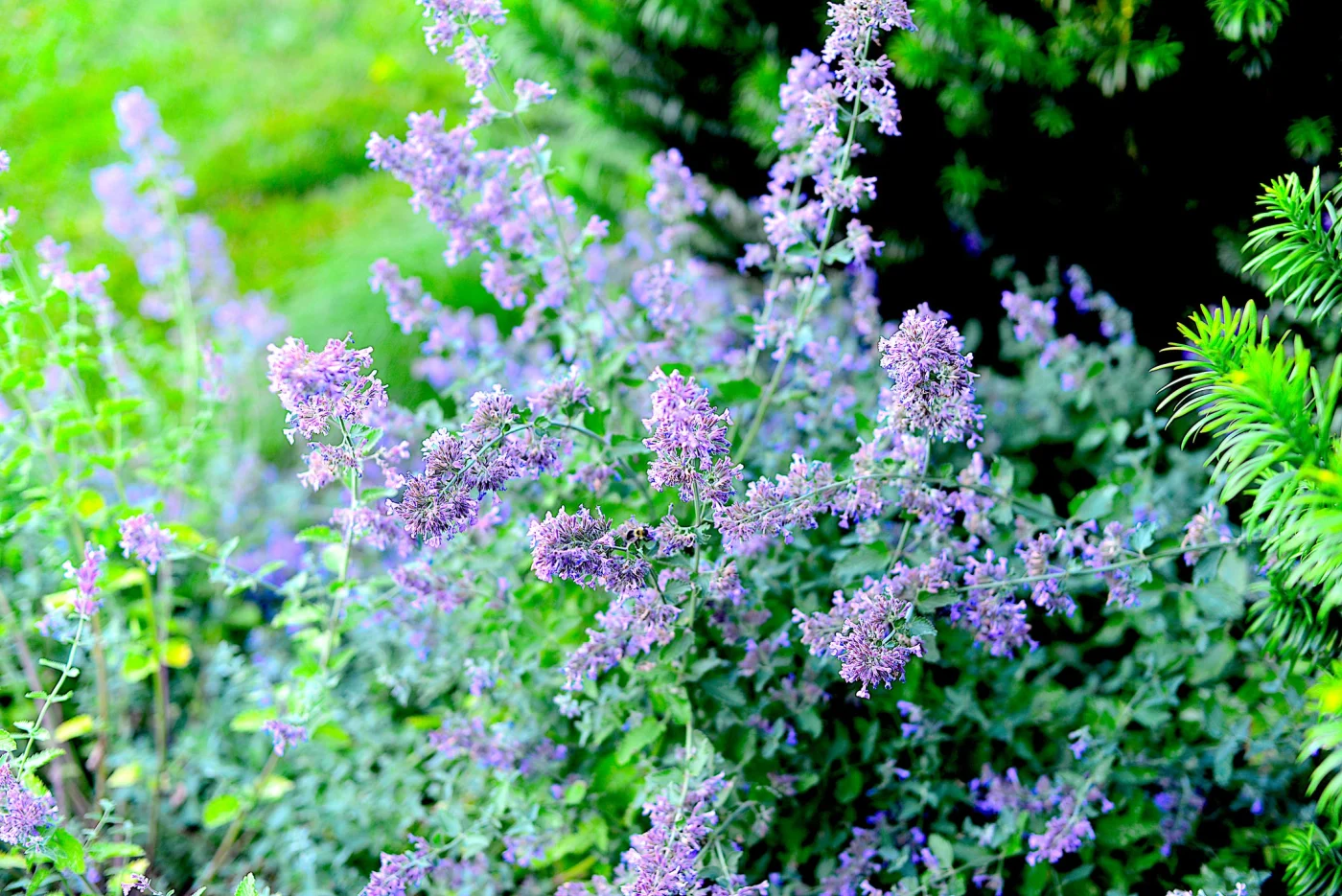
2. Catmint
Catmint offers serious drought resistance alongside its obvious appeal to felines. Zaber points out that its soft, greyish-green leaves physically reflect sunlight, while an extensive root system chases moisture deep below ground.
“You can plant it at the bottom of your roses to create a beautiful display or in the borders,” Zaber notes. She adds that many gardeners plant it along walkways to enjoy its strong scent whenever someone brushes past.
Because catmint can reach three feet tall, strategic placement is vital so it doesn’t block light from neighboring plants. Ensure the soil drains freely, trim flowers back after blooming, and cut the dead stems to the ground once growth dies off.
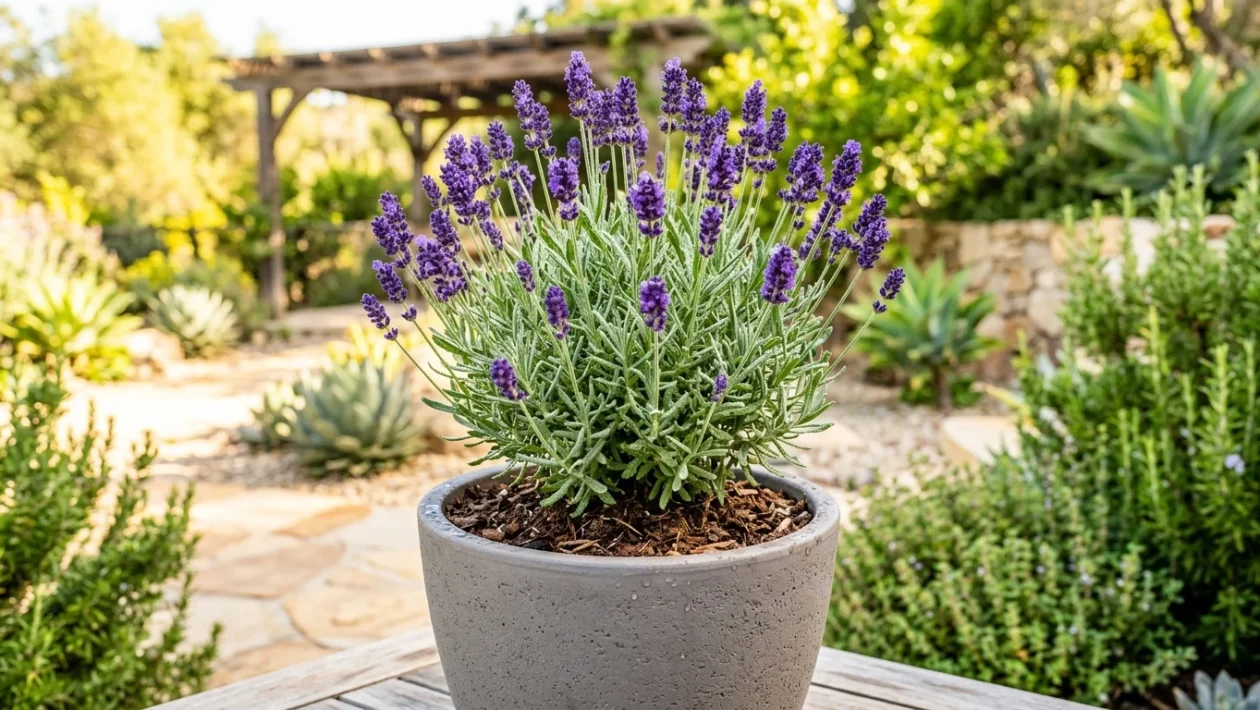
3. Lavender
Beyond its famous uses as a stress reliever and natural moth repellent, lavender is a garden powerhouse during extreme heat. Jason Harker, managing director of Blue Iris Landscapes and holder of an RHS Diploma in horticulture, recommends it highly.
“This particular plant thrives in full sun and well-drained soil; a lot of people also don’t realise that the silver-grey foliage helps to reduce any water loss,” Harker explains.
Lavender establishes best in a sunny border, gravel garden, or raised bed. Once the bee-attracting flowers dry out, you can snip them off to create homemade scented sachets for your wardrobe.
Drought tolerant lavender blooming in a sunny garden.
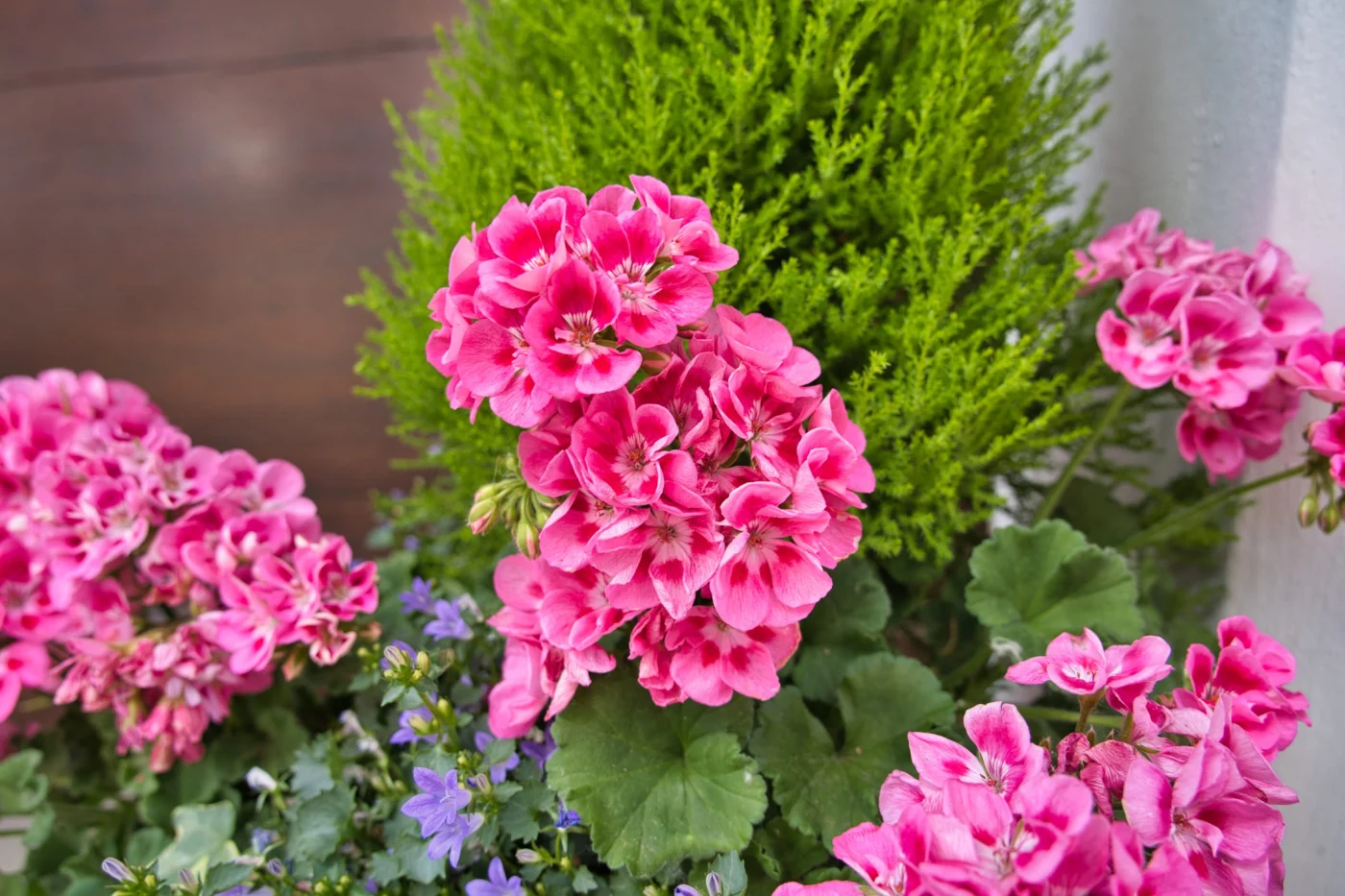
4. Hardy Geraniums
Hardy geraniums have consistently survived recent brutal heatwaves, making them a safe bet for unpredictable summers.
“Hardy geraniums are easy-to-grow perennials that cope well with periods of hot and dry weather,” Harker says. “Once they have established, they produce masses of flowers throughout the summer and can quickly fill borders with attractive foliage.”
They require full sun or partial shade. Strict water management is key: water them during their first season, but only during prolonged droughts afterward. Overwatering will rot the roots, so only water if the soil feels dry at knuckle depth.
5. Coneflower (Echinacea)
Available in striking shades of red, yellow, purple, white, pink, and orange, coneflowers refuse to wilt under a blazing sun. Their distinctive cone-shaped centers and downward-pointing petals make them a vibrant addition to any dry yard.
“They have a deep root system that helps them to tolerate drought while also attracting bees and butterflies,” Harker notes.
Coneflowers demand full sun and free-draining soil to flower properly. Deadheading the blooms extends the flowering season, though leaving a few seed heads behind offers an excellent food source for local birds.
Bright drought tolerant coneflowers growing outdoors.
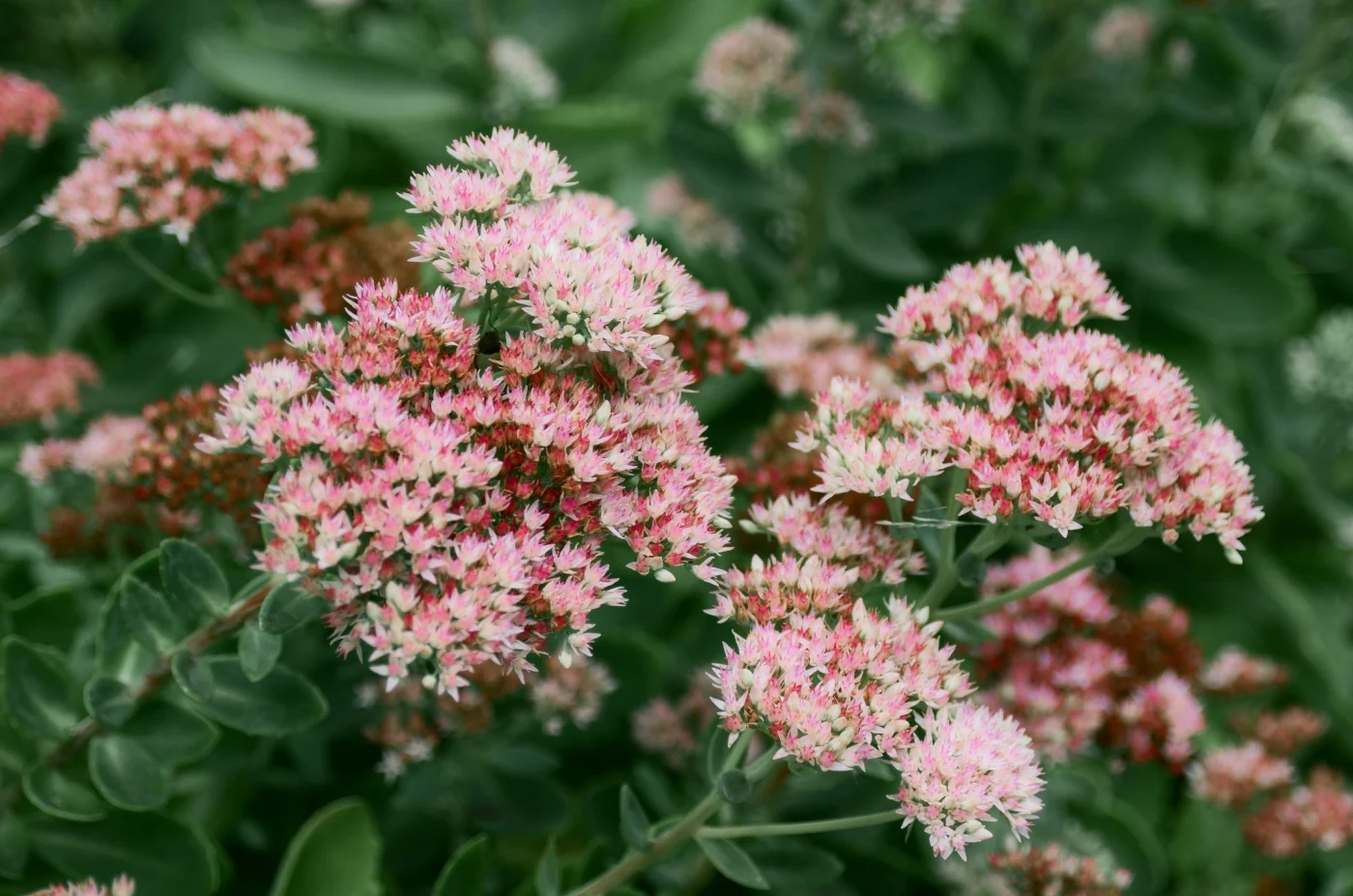
6. Sedum
Sedum takes a highly scientific approach to surviving droughts. Lucie Bradley, an expert gardener with Easy Garden Irrigation, highlights the plant’s succulent leaves and shallow roots that quickly absorb minimal morning dew.
Sedums require at least six hours of full sun daily, making south- or west-facing borders ideal. They can survive months without water by utilizing a rare method known as CAM photosynthesis.
“Sedums open their pores at night to absorb carbon dioxide, rather than during the day, when more moisture is lost due to higher temperatures and stronger sunlight,” Bradley explains.
7. Ground Cover Rose
To prevent soil erosion while keeping maintenance minimal, a ground cover rose is an excellent dense, low-growing option. Bradley specifically recommends the ‘Flower Carpet Gold’ variety for hot, dry borders.
“It features bright, buttercup-yellow flowers, which appear in dense clusters of five to six blooms when planted in a sunny spot,” Bradley says. It suppresses weeds and blooms continuously from June through October.
The plant survives heatwaves by utilizing a dual root system. Shallow surface roots capture light morning condensation, while long roots tap into hidden moisture reserves far below the sun-baked soil.