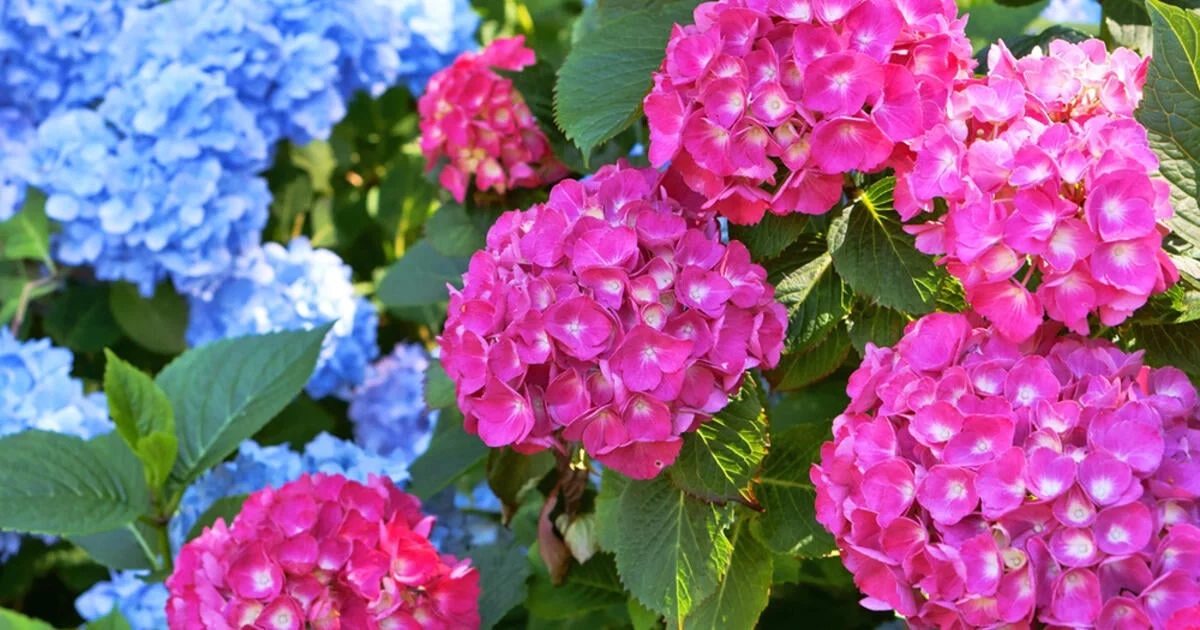
Lush hydrangea blossoms blooming in a summer garden
Hot summers are a joy for many, but for gardeners, they signal relentless work. When temperatures push past 86 degrees Fahrenheit, your garden faces a serious threat of dehydration.
Shrubs and perennials native to moist, humus-rich woodland edges are highly vulnerable. Planted in sunny residential spots, these species struggle the moment a heatwave hits.
The 5 Thirstiest Garden Plants
Hydrangeas
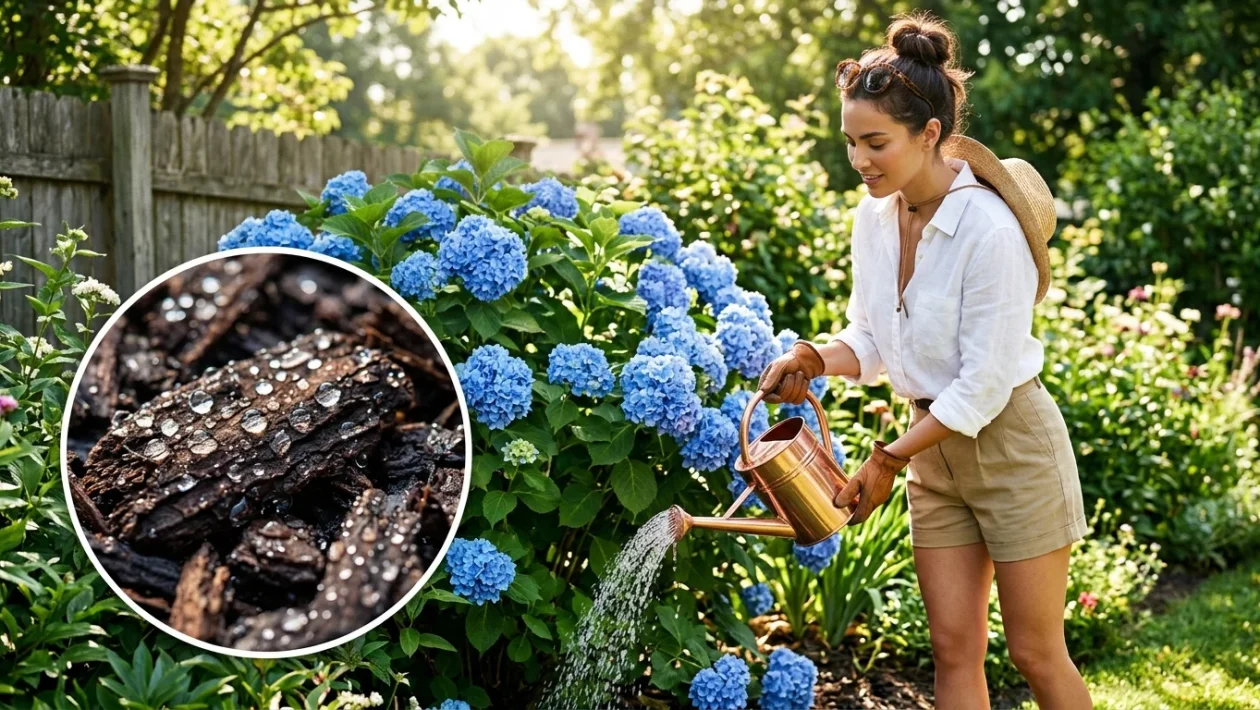
Hydrangeas are notorious water drinkers. They require constant, deep watering to maintain their lush foliage and massive blooms during peak summer.
Rhododendrons
These shrubs need ample hydration, but the type of water matters. Rhododendrons prefer low-calcium water, making collected rainwater the ideal choice for keeping them healthy.
Phlox
Despite being nicknamed “flame flowers,” phlox cannot handle the heat. They require heavy watering in sunny spots and benefit greatly from a thick layer of bark mulch to lock in soil moisture.
Delphiniums
Delphiniums thrive in cool, airy environments. When temperatures soar, regular watering is mandatory; otherwise, the dehydrated plants quickly fall victim to powdery mildew.
Globeflowers
Native to wet meadows, globeflowers have zero tolerance for drought. During dry spells, these vibrant plants require aggressive and frequent watering to survive.
The Science of Summer Watering
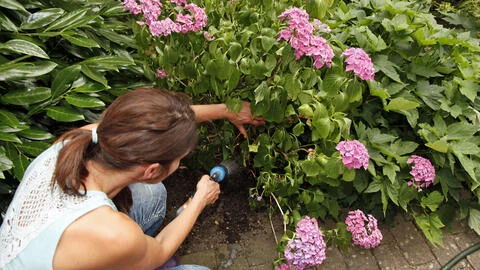
A gardener watering the base of a thirsty hydrangea bush
Heat takes a massive toll on plant biology. While humans can retreat to air conditioning or grab a cold drink, plants rely entirely on the moisture in their soil.
During prolonged dry periods, parched soil prevents roots from absorbing enough water. Plants need this moisture to transport vital nutrients and cool their leaves through evaporation, much like human sweat.
Large-leaved plants growing in shade or partial shade are usually the thirstiest. When planted under large trees, they face intense competition for moisture, as deep tree roots quickly drain the surrounding soil.
Timing and Tactics
Water your garden during the coolest parts of the day, preferably early morning or late evening. This minimizes evaporation and ensures the water reaches the root zone.
However, if you spot a plant actively wilting in the midday sun, do not wait. Immediate emergency watering is required to save severely dehydrated foliage.
Vegetable gardens also require a significant boost in hydration during heat waves. Food crops simply cannot afford to compete for dwindling water supplies in baked summer soil.