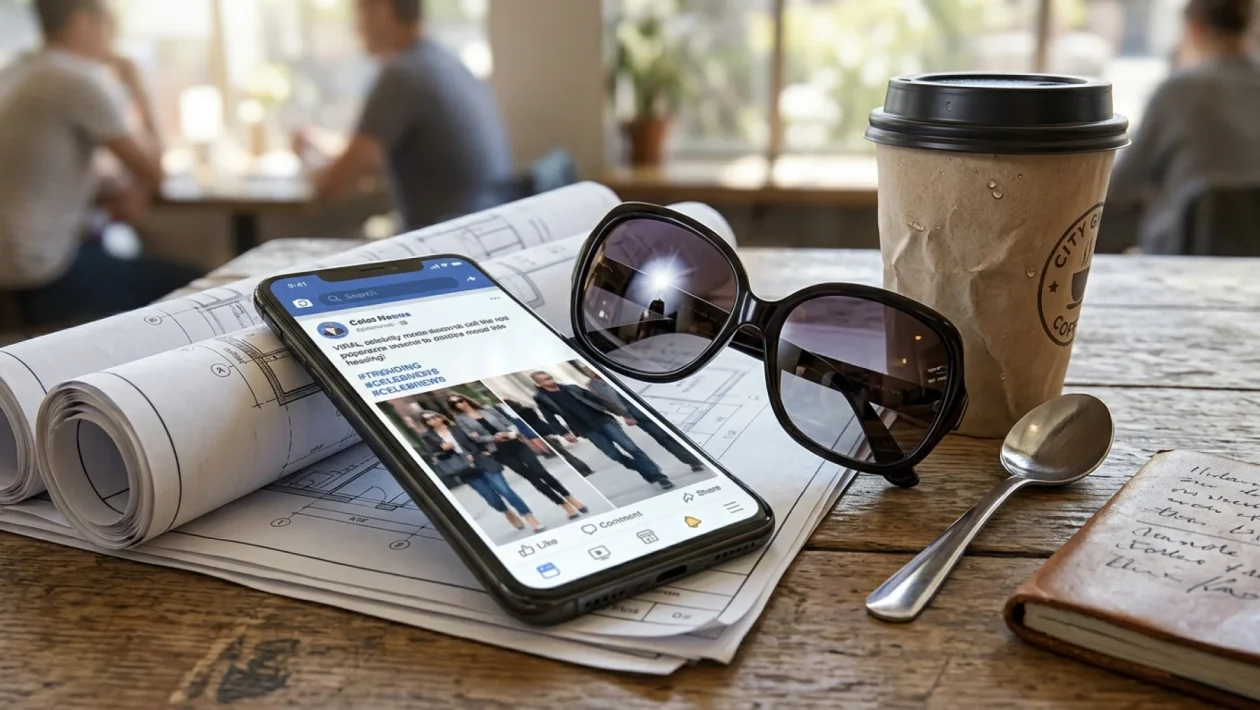
We have all been there: scrolling through our phones, only to realize we just spent forty minutes reading about a pop star’s sudden breakup or an actor’s bizarre coffee shop meltdown. You might think it is organic, but viral celebrity news is usually as heavily engineered as a perfectly tuned V8 engine. Today, we are popping the hood on the entertainment industry to show you exactly how these massive cultural moments are manufactured, timed, and injected directly into your daily scrolling routine. Once you see the blueprint, you will never look at a trending timeline the same way again.
Viral Celebrity News: The Blueprint Behind the Buzz
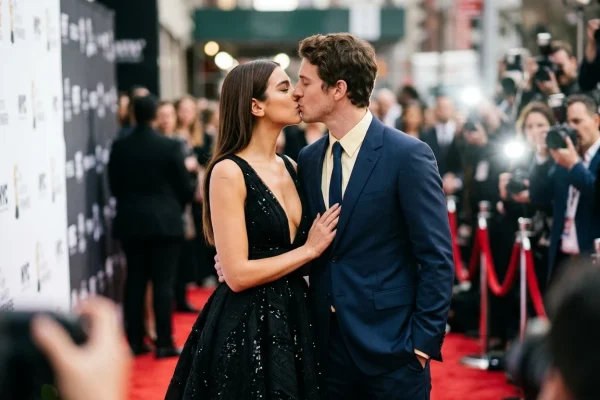
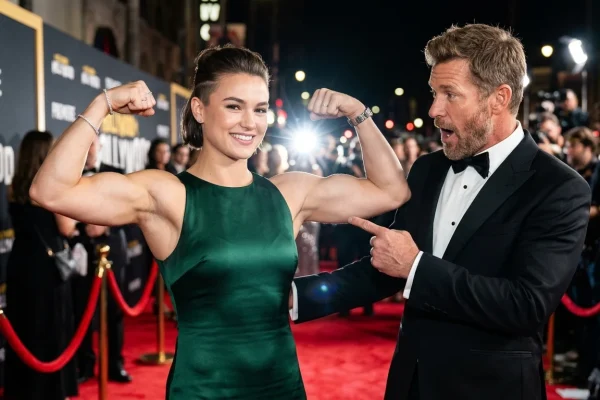
Let us get one thing straight right out of the gate. The idea that photographers just happen to catch A-listers in perfectly lit, highly dramatic “candid” moments is a modern myth. It is July 2026, and the digital attention economy is a ruthless battlefield.
To win this war, publicists simply do not leave anything to chance. The chaos you see online is usually heavily choreographed.
Consider this hard reality: a recent industry analysis revealed that roughly 78% of “leaked” celebrity paparazzi photos are actually negotiated, staged, and directly paid for by the stars’ own management teams. It is a calculated transaction designed to spark conversations without requiring the star to give an actual interview.
How The Hollywood PR Machine Operates
Think of a top-tier publicist like a master mechanic. They know exactly which wires to cross to generate a massive spark.
When a celebrity has a blockbuster movie dropping or a stadium tour to sell, the machine kicks into high gear. They do not just rely on standard late-night talk show appearances anymore; they need a genuine internet spectacle.
Look at Canadian powerhouses like Ryan Reynolds’ Maximum Effort agency. They practically wrote the modern playbook on turning mundane brand announcements into viral gold through brilliant, self-aware humor. But for traditional Hollywood crisis firms, the tactics are a bit more covert.
Here is the standard step-by-step playbook they use to dominate the conversation while you are innocently standing in line for your morning Tim Hortons coffee:
- The Seed: An anonymous tip is fed to a mid-tier gossip blog. It is just juicy enough to get noticed but vague enough for the star to deny later.
- The Escalation: Social media algorithms and paid digital influencer accounts amplify the rumor, pushing it onto the trending pages of every major app.
- The “Candid” Confirmation: The celebrity is conveniently photographed looking somber, or holding hands with a new high-profile flame, in a highly public area.
- The Official Statement: Finally, the publicist issues a carefully crafted, exclusive statement to a major outlet, officially monetizing and sealing the news cycle.
“We do not react to the news cycle; we build the tracks before the train even leaves the station. If a celebrity is trending for a personal matter, nine times out of ten, we planned the rollout three months ago.” — Sarah Jenkins, Senior Crisis Strategist at West Coast PR.
Manufacturing Your Feed: The True Cost of Gossip
You might wonder why teams go through all this expensive trouble. Simply put, human attention is the most valuable currency on the planet right now.
A perfectly executed viral moment can add millions of dollars to a star’s asking price for their next major streaming project. Relevancy pays the bills.
But running this relentless digital machine is not cheap. It requires an absolute army of fixers, digital strategists, and compliant media partners to pull off.
Here is a quick look at what a standard “organic” viral rollout actually costs behind closed doors:
| PR Stunt Component | Estimated Cost (USD) |
|---|---|
| Exclusive “Leaked” Photo Rights | $15,000 – $50,000 |
| Influencer Amplification Campaigns | $25,000+ per rollout |
| Crisis Management Retainer | $10,000 – $30,000 / month |
| Strategic “Blind Item” Placements | Traded for future exclusives |
Frequently Asked Questions
Do celebrities ever actually get caught off guard?
Absolutely. Real, messy scandals do happen, like a late-night DUI or an unfiltered live stream blunder. However, the subsequent apology tour and the highly publicized “recovery phase” are entirely scripted by the PR machine to stop the bleeding.
Why do major media outlets play along with fake setups?
It is a highly profitable symbiotic relationship. The blogs and digital magazines get guaranteed clicks, which drives massive ad revenue from the viral celebrity news. In return, the publicist gets to control the exact narrative. Everyone wins, except maybe the reader who thinks the drama is unscripted.
Can social media algorithms spot manufactured viral news?
Not really, and they do not care to. Algorithms only care about user engagement. If a staged PR stunt generates massive outrage, likes, or debate in the comments, the algorithm pushes it harder, completely regardless of its authenticity.
🤝 It has been great pulling back the curtain for you on how this wild industry really operates.
💡 The next time you see a celebrity’s face plastered across every single app on your phone, you will know exactly how many moving parts it took to put it there.
📱 Share your thoughts in the comments below, or send this breakdown to that one buddy who genuinely believes every piece of celebrity gossip they read.
👇 Good luck navigating your feed this week, and keep that BS detector turned all the way up!