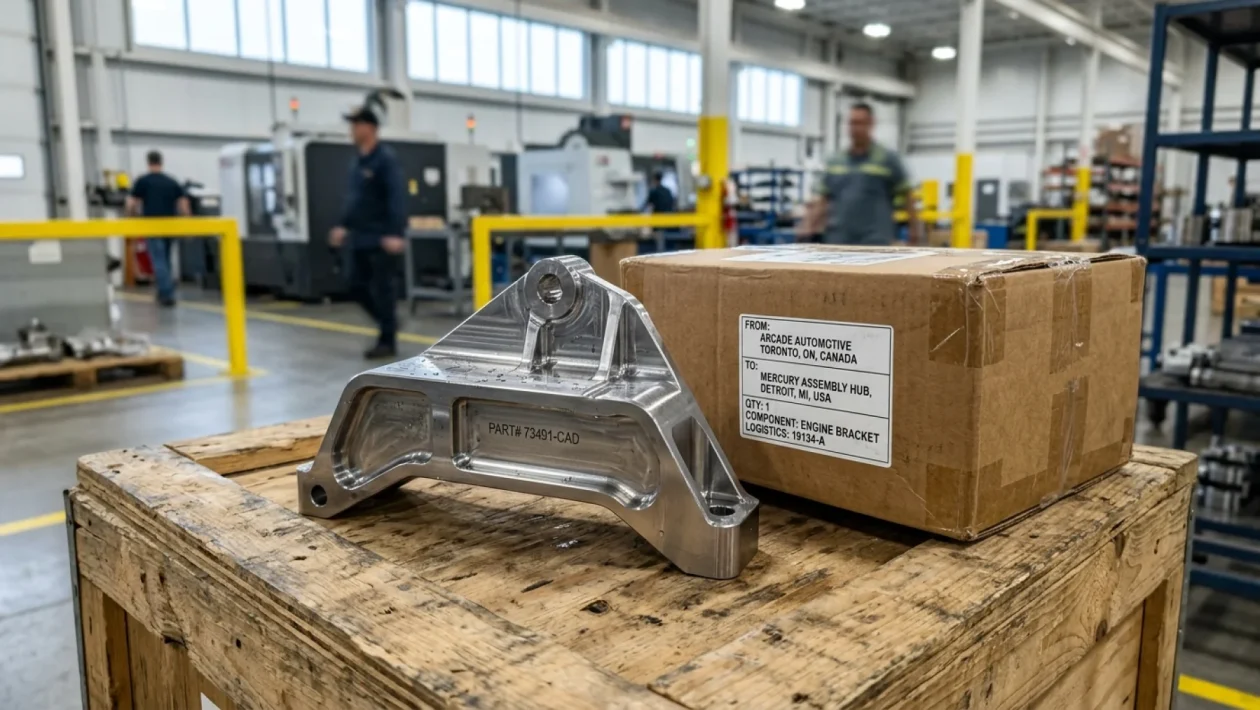
Right now, the cost of stamping a metal part in Ontario and selling it in Ohio is bleeding local businesses dry. The recent wave of US tariffs has turned the world’s most lucrative trade border into a financial hurdle course for Canadian fabricators. But instead of throwing in the towel, savvy operators are completely rewiring their supply chains to dodge the squeeze. I am going to show you exactly why the great southern migration is happening and, more importantly, the strategic moves you can make today to keep your production lines fiercely profitable.
US Tariffs: The New Cost of Doing Business
It is July 2026, and the pressure on our factory floors is at an all-time high. The days of seamless, duty-free exporting are firmly in the rearview mirror. We are currently watching a massive shift in how North America builds and buys.
When the new protectionist trade policies dropped this year, they did not just affect the massive conglomerates. They hit the mid-market guys right in the teeth. In fact, since these regulations took hold, cross-border manufacturing costs have spiked by a brutal 18 percent on average across the automotive and heavy machinery sectors.
Heavyweights like Linamar and Magna International have survived by heavily localizing their American footprints over the years. Now, smaller Canadian shops are realizing they must play the exact same game to survive the newly inflated border fees.
Why Canadian Manufacturing Is Moving South
The math is impossible to ignore. If a Canadian plant faces a steep levy every time a finished product crosses the 49th parallel, their competitive edge vanishes instantly. This is driving a massive relocation strategy.
Instead of exporting finished goods, Canadian companies are setting up assembly hubs in states like Texas, Ohio, and Michigan. They keep the high-tech engineering and design work at home, but move the final assembly south of the border to qualify for domestic tax breaks.
“You cannot eat a double-digit margin loss and keep the lights on. Moving final assembly to US soil isn’t unpatriotic right now; it is basic survival for Canadian brands.” — David R. Mitchell, Supply Chain Director at the North American Trade Council.
Here is a quick breakdown of how business owners are weighing their current options:
| Operational Strategy | Financial Reality |
|---|---|
| 100% Canadian Production | High domestic control, but crippled by 15-20% export tariffs. |
| US Final Assembly Hub | Requires upfront capital, but bypasses end-product border taxes. |
| Third-Party US Logistics (3PL) | Lower immediate risk, decent protection against new trade levies. |
How To Protect Your Business from Cross-Border Taxes
You do not need a billion-dollar war chest to protect your margins from these US tariffs. You just need to be tactical about where your value is actually created.
If you run a Canadian manufacturing business, you need to audit your workflow immediately. Follow this blueprint to shield your profits from the border squeeze:
- Isolate your components: Figure out exactly which of your raw materials or finished goods are getting hit the hardest by the new tariff codes.
- Shift final assembly: Consider exporting unassembled parts rather than finished products. Parts often fall under a significantly lower tariff bracket than a fully assembled retail unit.
- Partner with a US 3PL: Lock in a contract with an American Third-Party Logistics provider. Send bulk, unassembled shipments to their warehouse, and have them handle the final kitting on US soil.
- Renegotiate vendor terms: Force your own raw material suppliers to share the burden. If they want to keep your volume, they need to help absorb the new cross-border friction.
Frequently Asked Questions
Will these tariffs apply to raw materials or just finished goods?
It depends entirely on the Harmonized System (HS) code of your product. Generally, finished retail goods are getting hit with much higher percentages than raw steel, lumber, or unassembled electronics.
Is it cheaper to build a US warehouse or partner with a 3PL?
For small to mid-sized manufacturers, a 3PL is hands-down the safer bet in 2026. Building a facility requires massive capital and deals with US zoning laws, while a 3PL lets you pivot quickly if trade policies change again.
Are there government grants to offset these new tariff costs?
Yes, the Canadian government has rolled out several export diversification grants this summer to help manufacturers find new markets in Europe and Asia. However, they do not directly reimburse you for US border taxes.
Moving Forward in a Shifting Market
🤝 Good luck navigating these volatile waters over the next few months. Staying profitable requires rolling up your sleeves and looking at your supply chain without any sentimentality.
💡 Remember to focus on where your product takes its final shape, because that is exactly where the taxman is looking.
📱 If you found this breakdown helpful, share your thoughts with a fellow business owner who might be feeling the pinch right now. Stay sharp out there!