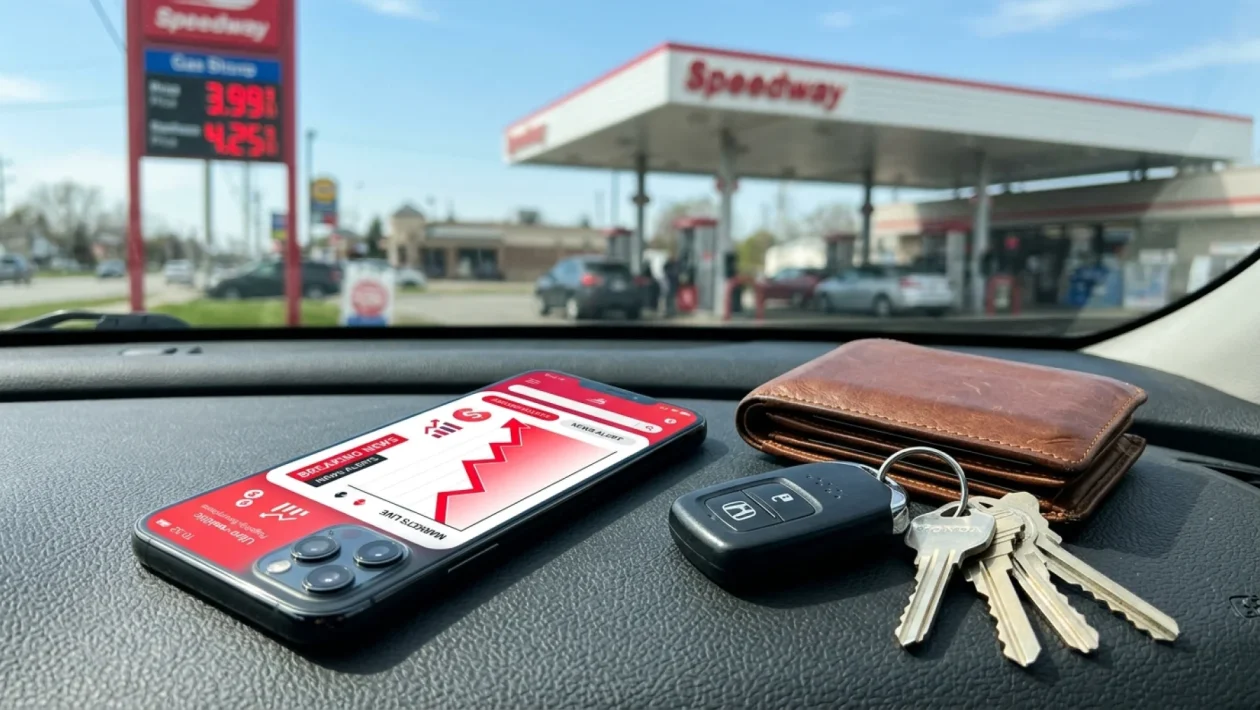
You probably checked your phone this morning and saw the global news feed completely melting down. US strikes Iran live updates July 9 is dominating every screen, and if you are wondering how this actually impacts your life, you are in the right place.
We are going to cut straight through the heavy geopolitical jargon and political spin. This isn’t just a military conflict happening half a world away; it’s a rapidly shifting event that has direct, immediate cross-border ripples.
By the time you finish reading, you will understand exactly what triggered today’s escalation and precisely how to brace your household budget for the incoming shockwaves.
US Strikes Iran: Unpacking the Military Escalation
Let’s get right to the cold, hard facts. These sudden military maneuvers were not a random flare-up out of nowhere. Tensions have been boiling under the surface for the better part of the year.
When the US strikes Iran, it sends immediate shockwaves through global energy sectors and shipping routes. As a journalist who has covered these sudden geopolitical flashpoints for years, I can tell you the economic pattern is incredibly predictable.
Here is a sobering statistic you need to keep in mind: historical market data shows that direct military strikes in the Persian Gulf can cause global crude oil prices to surge by as much as 14% within the first 48 hours.
Live Updates: What Actually Happened on July 9
Filtering fact from fiction during breaking news is tough. While major networks scramble for dramatic footage, the reality on the ground is moving faster than your social media feed can refresh.
According to early morning intelligence reports covered by CBC News, coordinated precision strikes targeted specific radar and drone installations just before dawn. The goal was clearly containment, not immediate all-out war.
If you want to stay ahead of the panic without losing your mind this summer, follow this reliable method for tracking international crises:
- Verify the source: Stick to established wire services like Reuters or the Associated Press rather than anonymous, unverified social media accounts.
- Cross-reference the timeline: Look for time-stamped official press briefings from the Pentagon or the Canadian Department of National Defence to confirm what actually happened.
- Watch the markets: The fastest, most honest indicator of a situation’s severity is often how commodity markets react in real-time.
Following those steps will keep you grounded while everyone else is busy doom-scrolling.
The Crisis and Your Wallet: Gas Pumps to Groceries
You might be sitting on your porch in Ontario or taking a lunch break in Chicago thinking, “How does this actually affect me?” The answer always hits at the gas pump and the grocery store checkout.
When vital oil shipping lanes are threatened, the cost of transporting literally everything goes up. A recent economic brief from TD Economics highlighted that prolonged Middle Eastern conflicts directly translate to sustained, stubborn inflation for North American consumers.
“The global economy is hyper-connected; a missile strike in the Middle East on a Tuesday practically guarantees you will be paying more to fill up your pickup truck by Friday,” notes geopolitical risk analyst David Henderson.
To give you a clear, no-nonsense picture of what to expect over the coming weeks, I’ve broken down the immediate economic ripple effects below.
| Everyday Sector | Expected Impact Level |
|---|---|
| Gasoline & Diesel | High (Immediate price jumps at local pumps) |
| Imported Groceries | Moderate (Delayed supply chain fuel costs) |
| Summer Travel | High (Airlines rapidly adjusting fuel surcharges) |
It’s not about panicking; it’s about being prepared. Top off your gas tank today, and maybe reconsider the budget for that cross-country road trip you planned for later this month.
Frequently Asked Questions
Are North American commercial flights being grounded?
Currently, no. Domestic flights across Canada and the US are operating normally. However, international routes passing near the conflict zone are being heavily rerouted, causing significant delays and longer flight times.
Will this cause a major stock market crash?
While markets absolutely hate uncertainty, a full market crash is unlikely based on today’s events alone. Expect high volatility in the tech and retail sectors, while defense and energy stocks will likely see a sharp temporary spike.
How long will gas prices stay elevated?
If the strikes remain highly targeted and do not escalate into a broader regional war, fuel prices usually stabilize within three to four weeks once supply anxieties cool off.
🤝 We live in a wild, fast-paced world, and staying informed without getting totally overwhelmed by the headlines is half the battle.
💡 The best thing you can do right now is keep a level head, track the verified updates, and maybe budget a few extra bucks for fuel this month.
📱 I’ll be keeping a close eye on this situation as it develops, so make sure you bookmark this page for the most practical future updates.
👇 Good luck navigating the relentless news cycle today, and please drop a comment below to share your thoughts on how this global event is impacting your summer plans!