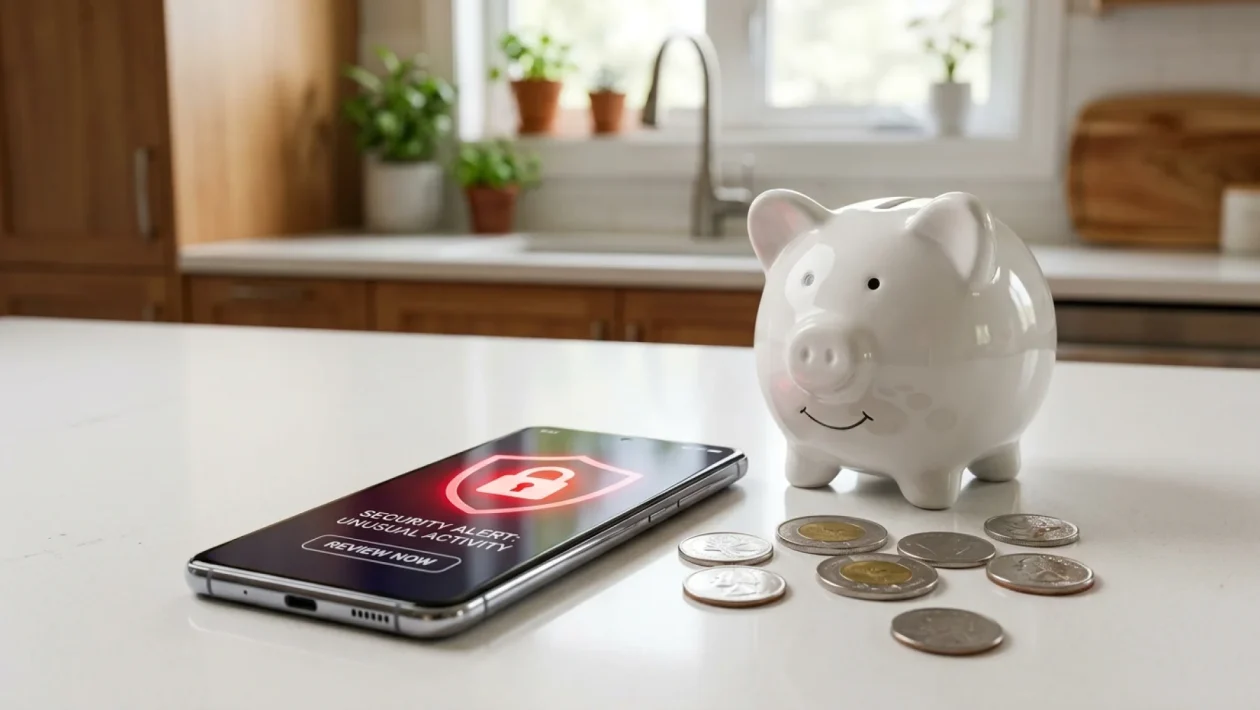
If your kid just asked you to download the new Trump Account app so they can manage their summer allowance, you need to hit the brakes right now. The promise of an engaging, gamified digital wallet sounds great on paper, but cybersecurity watchdogs are practically pulling the fire alarm over its hidden data practices. I am going to walk you through exactly what this app is quietly doing in the background and show you the simple steps to lock down your family’s digital security before a single cent changes hands.
Trump Account app warning
Look, I am all for teaching the next generation the value of a dollar. When I was a kid, financial literacy meant a rusty coffee can on my dresser and a paper route.
Today, kids are being pitched flashy financial ecosystems, and the latest contender is making massive waves this July 2026. But the Trump Account app isn’t just a simple piggy bank.
It is a highly sophisticated data-gathering engine masquerading as a financial literacy tool for minors. Consumer protection agencies across North America are sounding the alarm because the fine print reveals some aggressive tracking mechanisms.
Why watchdogs are waving red flags
Here is the hard truth: a whopping 68 percent of modern financial apps aimed at kids quietly share behavioral data with third-party marketers. This specific app takes that alarming statistic and runs with it.
While Canadian parents might naturally trust traditional institutions like RBC or local credit unions with their kids’ junior savings accounts, this new app operates in a massive regulatory gray area.
It deliberately bypasses standard banking privacy protocols by classifying itself as a “lifestyle and educational platform” rather than a strict financial institution.
“We are seeing a disturbing trend where kids’ allowance apps are actively building consumer profiles before the child even reaches high school. The aggressive data scraping we are witnessing right now is unprecedented for a youth-targeted platform.” — Dr. Marcus Thorne, Lead Analyst at the Digital Privacy Institute.
Let’s pop the hood and break down exactly what you are trading for that slick user interface.
| The App Feature | The Hidden Red Flag |
|---|---|
| Gamified “Spending Trophies” | Tracks real-time geolocation of every purchase. |
| Social Feed Integration | Builds targeted ad profiles based on friend groups. |
| Partner Discounts | Sells purchase history directly to retail affiliates. |
For parents: What you actually need to do
You don’t need to be an IT professional to protect your kids, but you absolutely need to be proactive. If your kid is already using the Trump Account app, or if they are begging for it to manage their summer landscaping money, you have to establish some ground rules.
Treat this exactly like you would treat a shady contractor offering to fix your roof for half the price: verify everything before signing.
Here is the exact blueprint to secure your kid’s smartphone against aggressive data mining.
- Audit the permissions: Go into the phone’s main settings and physically revoke the app’s access to the microphone, contacts, and precise location.
- Enable the native family filters: Use Apple Screen Time or Google Family Link to strictly block the app from making unapproved in-app purchases or sharing data in the background.
- Set up a burner email: Never register a kid’s app with their primary school or personal email address; create a dedicated dummy account just for sign-ups.
- Have the hard talk: Sit down and explain to your kid that “free” digital stickers or flashy rewards usually mean their personal information is the actual product being sold.
Frequently Asked Questions
Is the app legally allowed to collect my kid’s data?
Technically, yes, if you blindly click “Accept” on the terms of service. They exploit loopholes in current privacy laws by requiring parental consent during the initial download, which essentially gives them a free pass to track everyday usage.
What are the safe alternatives for a digital allowance?
Stick to the established, heavily regulated players. Look for Canadian-approved digital wallets or specific youth accounts from major banks that are legally bound by strict federal privacy regulations, rather than third-party tech startups.
🤝 At the end of the day, managing your family’s digital safety shouldn’t feel like a full-time job.
💡 By staying alert and taking five short minutes to check those app permissions, you are building a solid firewall around your kid’s privacy.
📱 Good luck navigating the digital summer, and don’t be afraid to just say “no” to the latest tech fad.
👇 If you found this breakdown helpful, share your thoughts in the comments below or send this directly to a fellow parent who needs to hear it!